How to Build with Craftblockworld: Terracotta Army, Xi'an Wall & Tang Dynasty Sets
A pro guide to building historical brick sets — Terracotta Army, Xi'an city wall and Tang Dynasty architecture: prep, sorting, symmetry, fixes and display tips.
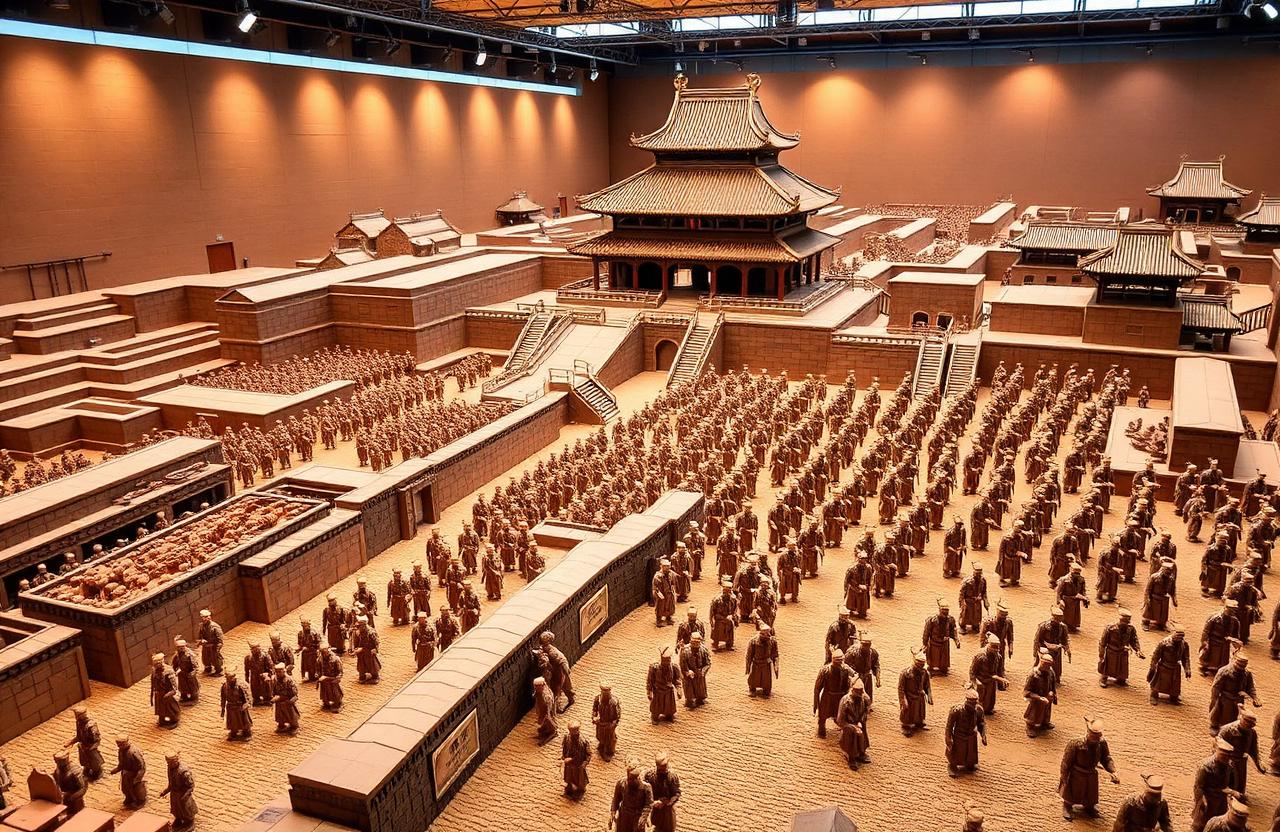
Historical Architecture Series. Craftblockworld. Build focus. Display value. Skill-building in one project.
If you enjoy advanced brick models with real cultural depth, this guide is for you. A historical build is not just about snapping parts together. It is about planning the layout, managing pieces, keeping structure aligned, and understanding how design choices shape the final display.
With models inspired by ancient China, the process becomes even more rewarding. Sets based on the Terracotta Army building set, Xi''an city wall blocks, and Tang Dynasty architecture blocks combine architecture, history, and hands-on problem solving. Browse the full lineup of culturally inspired models on our premium brick collection.
Why Historical Brick Sets Need a Different Building Approach
Architecture and history-themed models ask more from the builder than simple toy sets. They often include repeating structural modules, symmetrical layouts, fine decorative details, color layering and display-focused design.
A small error early on can affect the entire look later. A wall segment one plate off may throw off a gate. A misplaced decorative tile may break the visual rhythm of a palace roofline. For adult builders and collectors in Europe and the US, these sets serve two goals at once — the enjoyment of the build and the value of the finished display. Build cleaner. Display better. Less rework.
What to Prepare Before You Start
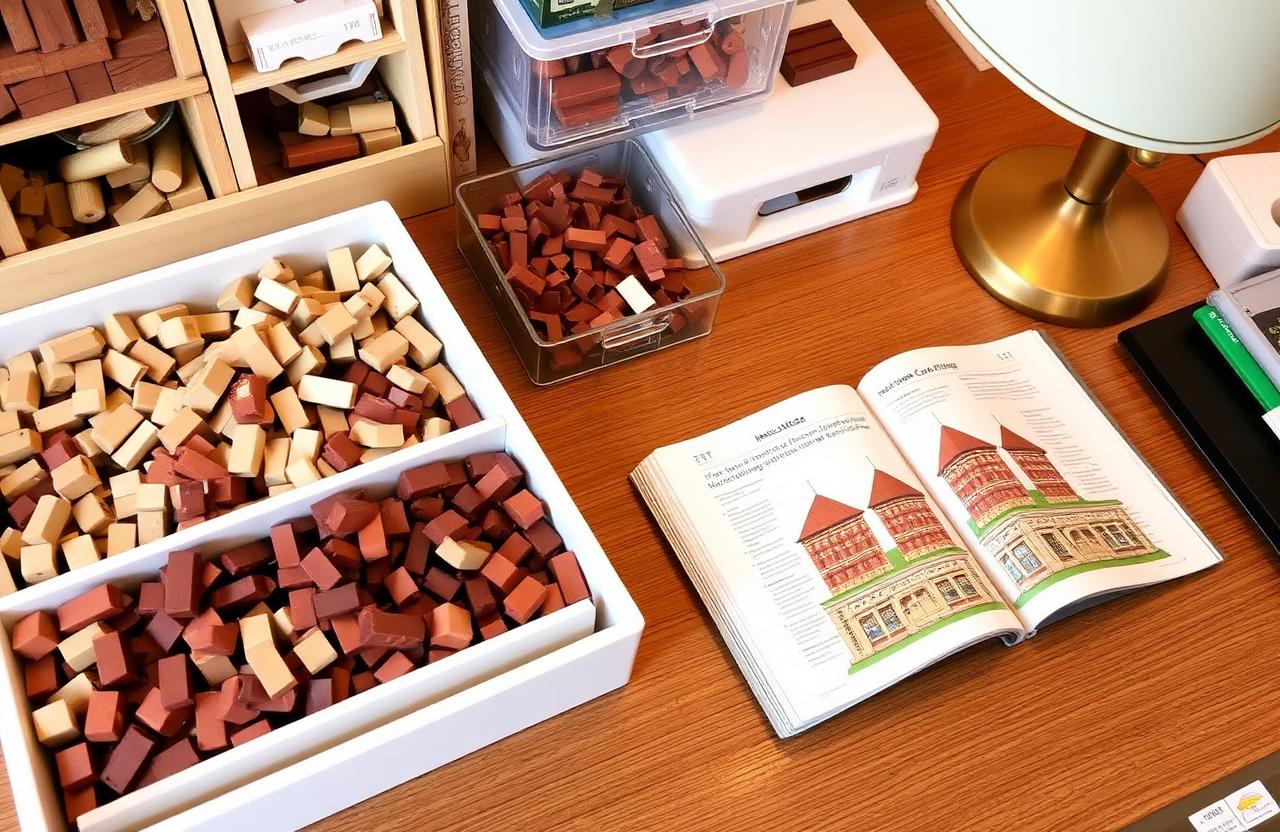
Use a flat table with room for the booklet, sorted parts trays, sub-assemblies and a small container for spare pieces. Avoid soft surfaces. Use neutral daylight or a bright desk lamp so you can tell tan, dark tan, reddish brown and gray apart.
Sort by color, part type, size or function. For architecture, sorting by function works best — group plates, tiles, bricks, hinges, decorative elements and mini connectors. Scan the instructions before starting so you can spot repeated modules, mirrored sections and fragile decorative stages early.
How to Build Step by Step
Step 1: Start With the Base and Lock the Geometry
Most architecture-inspired sets begin with a platform or terrain footprint. This stage sets the shape of the final model. Focus on edge alignment, plate overlap, even pressure on long rows and matching left and right exactly. When building Xi''an city wall blocks, geometry matters more than decoration in the early stages — walls, gates and towers depend on straight lines and equal spacing. Pause every 10–15 steps and view from above. A stable footprint prevents almost every later alignment issue.
Step 2: Build Repeating Sections Assembly-Line Style
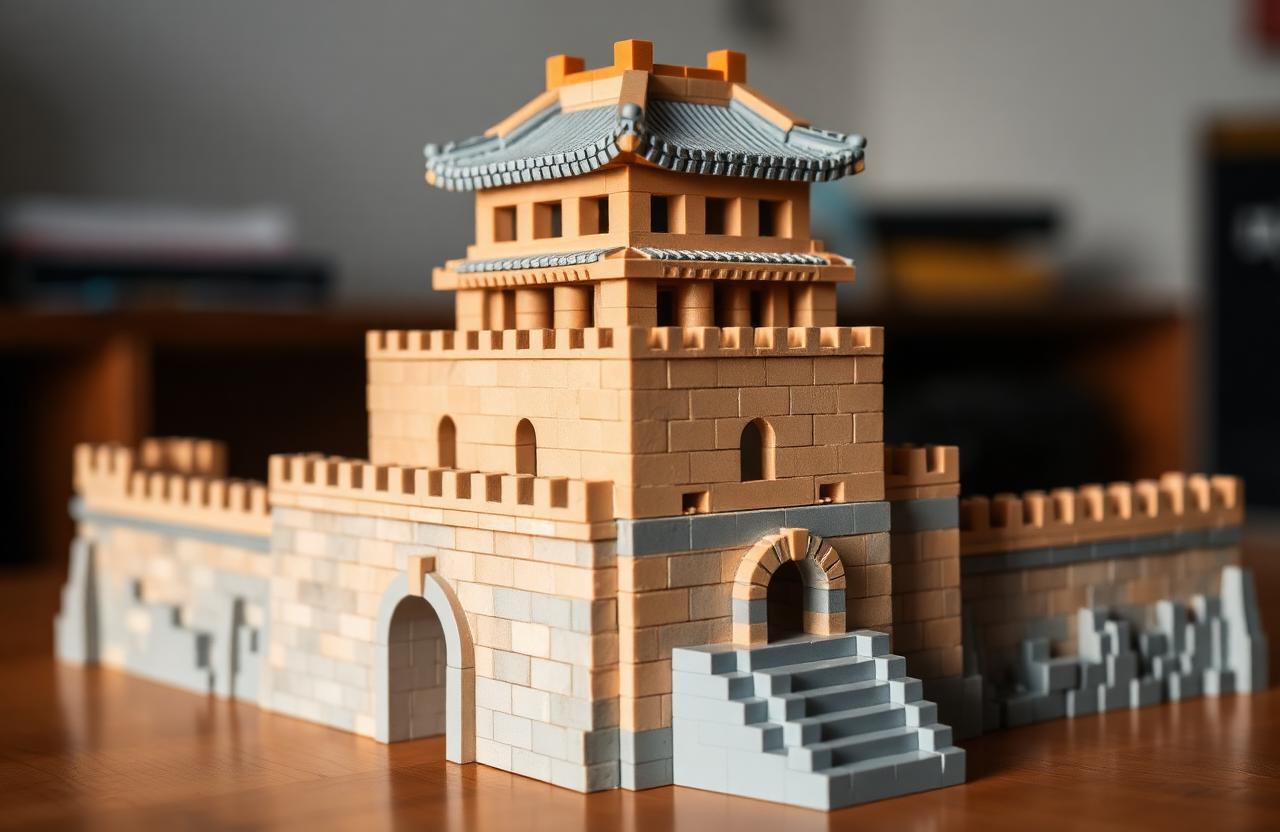
If the instructions show four identical tower segments, build all four at once. Gather the pieces, complete the first segment carefully, use it as a reference, then repeat. This is especially useful in a Terracotta Army building set, where repetition is part of the visual effect. Don''t batch-build if the repeated sections have hidden differences or mirrored variations — check first, then commit.
Step 3: Protect Fragile Details as You Go
Roof edges, banners, ornamental pillars, weapon racks and terrain accents can come loose with rough handling. Lift from the base, rotate on the table, add the most fragile pieces near the end, and press firmly but not aggressively. This matters most with Tang Dynasty architecture blocks, where layered roofs and ornamental detailing create the visual richness — but rarely form the strongest connections.
Step 4: Check Symmetry Constantly
After each major section, compare left and right wall height, tile direction, roof angle, window and arch spacing, and decorative color placement. Take a phone photo if needed — a picture often reveals errors your eyes miss during the build. For more on precision techniques, see our complete adult building block guide.
Step 5: Handle Color Matching Carefully
Alternative brick sets use nuanced sand, earthy red, dark stone gray and muted gold tones. Sort close colors into separate trays, build under strong white light, check shade before locking a part in, and keep a "question pile" for ambiguous pieces. Color accuracy isn''t just cosmetic — it shapes the realism of the whole model.
Step 6: Build in Sessions, Not in a Rush
Break the build into sessions: sorting and base, main walls or terrain, towers/gates/army units, roof systems and decorative details, and finally inspection and display setup. This works well for adults building after work and for families on a shared weekend project.
How to Improve the Final Look of Your Model
Place the finished model on a wood shelf, matte black riser, neutral acrylic platform or glass cabinet shelf. Avoid clutter around the silhouette. Test a few angles — for city walls the front gate is usually the hero view; for army formations, a diagonal that shows scale and repetition; for palace builds, front-center symmetry. Add a small label card with model name, theme, build date and historical inspiration. Manage dust with a soft makeup brush, low-pressure compressed air or a display case.
Common Mistakes and How to Fix Them
Skipping the part sort: Spend 10–20 minutes sorting before step one — you''ll get the time back later.
Forcing a connection: Stop and compare with the instruction image. If a piece resists, something earlier is likely wrong.
Missing a layer in repetitive sections: Compare repeated modules side by side before attaching them.
Holding the model by decorative sections: Move with two hands from the underside or base frame.
Building too long without checking: Pause every 15–20 steps and review shape, symmetry and color placement.
How to Get More Enjoyment From Historical Builds
Read a short overview of the original Terracotta Army site, Xi''an city wall or Tang-era architecture before you start — context makes design choices feel more meaningful. Share your finished build in hobby groups; historical themes stand out because they''re less common than vehicles or sci-fi. Customize with care — keep the architectural language coherent. Explore more culturally inspired sets in our Chinese palace building guide and Great Wall of China guide.
Choosing the Right Historical Set for Your Skill Level
Beginners to intermediate: Look for clear base structure, limited color palette, fewer tiny decorative elements and modular sections. A smaller Xi''an city wall blocks model teaches symmetry, wall layering and structural rhythm without overwhelming you.
Experienced builders: Multi-level architecture, repetitive but detailed modules, fine facade work and large footprints. Tang Dynasty architecture blocks often shine here — structural logic with ornamental complexity.
Collectors: Theme rarity, display impact, detail density and historical identity. A strong Terracotta Army building set works especially well — iconic, visually distinct and highly displayable. Compare premium brands in our guide to alternative brick brands.
How Families and Adult Builders Can Use the Same Set Differently
For adult hobbyists: precision, complexity, display finish and historical theme — solo sessions, detailed sorting, exact alignment. For families: divide tasks so one person sorts, one follows instructions, one assembles repeated modules and one checks completed sections. For creators and custom builders: use the set as a base for larger wall systems, extended courtyards, additional figures or landscape scenes — preserving the architectural language of the original.
Conclusion
Historical brick building rewards patience, planning and attention to detail. Sort early, check symmetry often, protect fragile sections, and build in focused sessions. Whether you choose a Terracotta Army building set, Xi''an city wall blocks, or Tang Dynasty architecture blocks, the best results come from a methodical approach. Build smart this week. One session at a time. Better structure. Better finish. Better shelf presence.
FAQs
1. Are historical building block sets good for beginners?
Some are, but not all. Smaller architecture models with fewer decorative details are usually better for beginners. Start with a set that has a simple base and modular sections rather than a highly ornate palace or large army display.
2. How long does it take to complete a Terracotta Army or city wall set?
It depends on size and complexity. Smaller sets may take 2–4 hours. Larger historical models can take 8–15 hours or more, especially if you sort parts carefully and build in multiple sessions.
3. What is the best way to display Tang Dynasty architecture block models?
Use a clean shelf, neutral background, and good lighting. Front-facing placement works best for symmetrical architecture. A dust cover or display case is a smart choice for long-term presentation.
4. How do I avoid mistakes when building repetitive wall or army sections?
Use an assembly-line method. Build one section carefully, then repeat with the same part layout. Compare each section side by side before attaching to catch missing layers or color mismatches.
5. Are alternative brick historical sets suitable for adult collectors?
Yes. Many adult collectors prefer them because they offer uncommon themes, advanced building techniques and strong display value. City walls, ancient armies and dynasty architecture stand out in a collection.