How to Choose, Build, and Display Building Block Sets for Adults: A Complete Guide
Learn how to choose, build, and customize car brick models. Discover expert tips on chassis construction, wheels, automotive details, and displaying your collection.
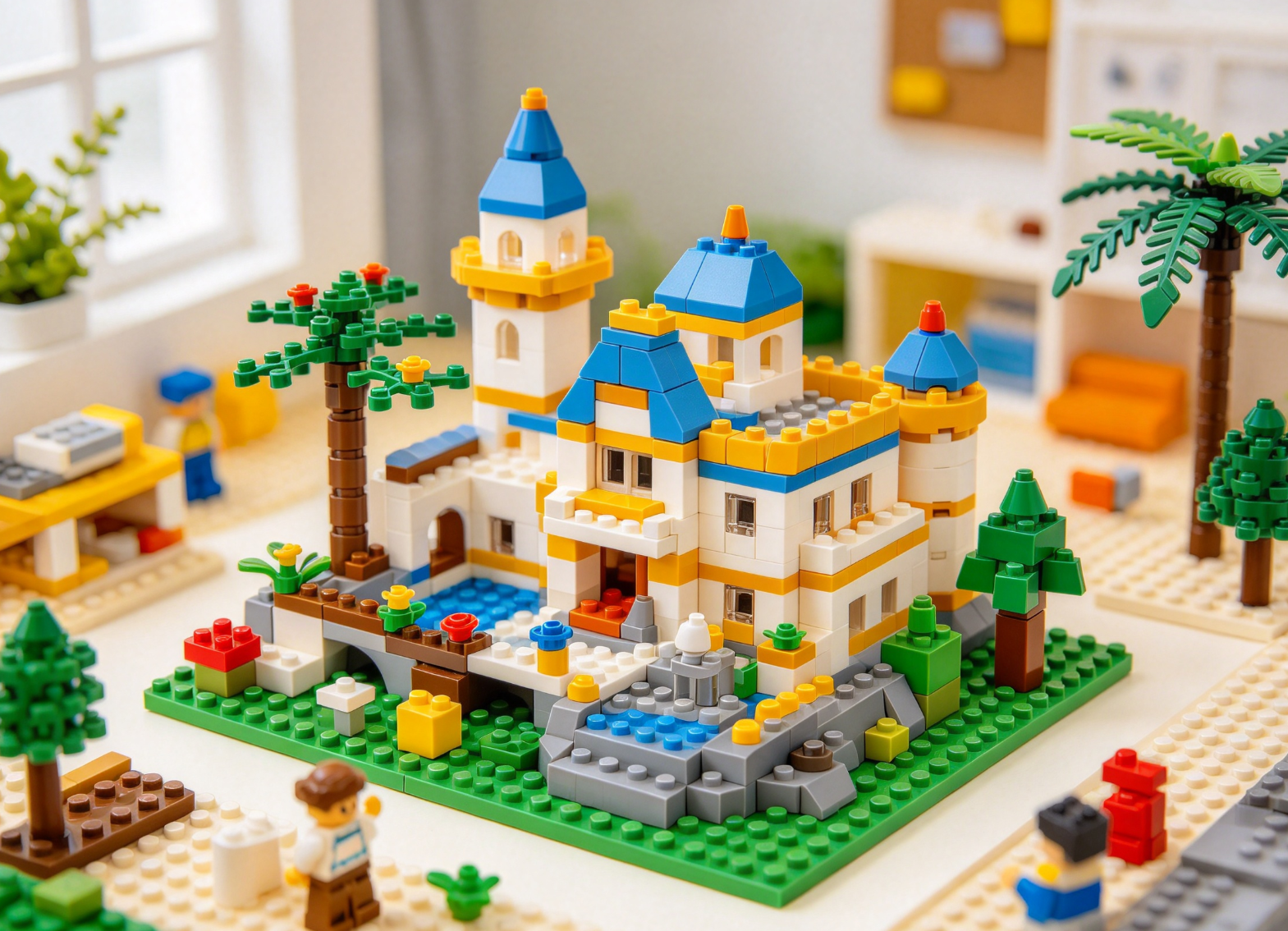
Building with bricks is no longer just a childhood pastime. Across the United States, the United Kingdom, Canada, and Europe, more adults are discovering the satisfaction of creating detailed models, architectural landmarks, vehicles, mechanical designs, and imaginative scenes with interlocking building pieces.
For some, it is a relaxing way to disconnect from screens after work. For others, it is a creative hobby, a collecting passion, or even a way to personalize their living spaces. Whatever the motivation, adult building has evolved into a hobby with plenty of possibilities.
However, getting started involves more than simply choosing a box with an attractive picture. The right set should match your interests, available space, building experience, and expectations for the finished model. You also need a comfortable workspace, an efficient way to organize pieces, and a plan for displaying or storing your creation.
So, how do you get the most out of this hobby?
In this guide, we will walk through the entire process, from choosing suitable toys building blocks and preparing your workspace to completing complex builds and displaying them like a collector. Whether you are returning to building after many years or exploring an alternative to traditional adult lego sets, these practical tips will help you build with more confidence and creativity.
1. Understand What Makes a Good Building Block Set for Adults
Before purchasing your first set, consider what you actually want from the building experience.
Not all building sets are designed with the same audience or purpose in mind. Some focus on simple construction and imaginative play, while others emphasize intricate details, realistic proportions, advanced construction techniques, and decorative value.
Adult builders generally look for a combination of three things.
Building Complexity
A good adult-oriented set should provide an enjoyable challenge without making the experience unnecessarily frustrating.
Look at the number of components, the complexity of the construction, and the estimated building time. A model with several hundred pieces may offer an accessible introduction, while larger architectural or mechanical projects can require considerably more patience.
Remember that piece count alone does not determine difficulty. A smaller model with unusual connections or intricate internal structures can sometimes be more challenging than a larger, straightforward build.
Design and Display Value
Think about what the finished model will look like in your home.
Architectural structures, classic vehicles, botanical arrangements, fantasy-inspired scenes, and mechanical models are popular choices because they can serve as decorative objects as well as enjoyable projects.
Consider whether the design fits your personal taste and whether you would still enjoy looking at it several months after completing it.
Construction Quality
Pay attention to the material, molding consistency, connection strength, color quality, and overall finishing.
Good building pieces should connect securely without requiring excessive force. They should also be reasonably consistent in shape and dimensions so that the completed structure remains stable.
If you are exploring alternative building brands, check product descriptions, customer photographs, assembly instructions, and the seller's replacement-parts policy before purchasing.
For more inspiration and building ideas, explore CraftBlockWorld, where you can discover building block products and creative possibilities for your next project.
2. Choose the Right Set Based on Your Interests
One of the easiest ways to lose interest in a new hobby is to choose a project simply because it looks impressive.
Instead, start with something you genuinely want to build.
Here are five popular categories worth considering.
Architectural Building Sets
Architectural models are excellent for people who enjoy city design, history, and detailed structures.
You might choose a famous landmark, a traditional European street, a modern building, or an imaginative cityscape.
These projects often involve repetitive construction techniques, symmetrical arrangements, and decorative details. They are particularly satisfying because you can watch a recognizable structure gradually emerge from individual pieces.
They also work well as office or living-room decorations.
Vehicle and Transportation Models
Cars, motorcycles, trains, aircraft, and ships appeal to builders who enjoy engineering and mechanical design.
Look for models with realistic body shapes, detailed interiors, wheels, moving components, or interesting construction techniques.
Some advanced vehicle models also introduce concepts such as gears, steering systems, and suspension.
If you enjoy understanding how things work, this category can offer more than just an attractive finished model.
Nature-Inspired Models
Flowers, trees, plants, and animal-themed creations are increasingly popular among adults who prefer softer decorative styles.
Unlike traditional display models, botanical builds can complement bookshelves, desks, and home interiors without looking overly technical.
They are also suitable for people who want a creative activity that does not require a large amount of display space.
Fantasy and Creative Worlds
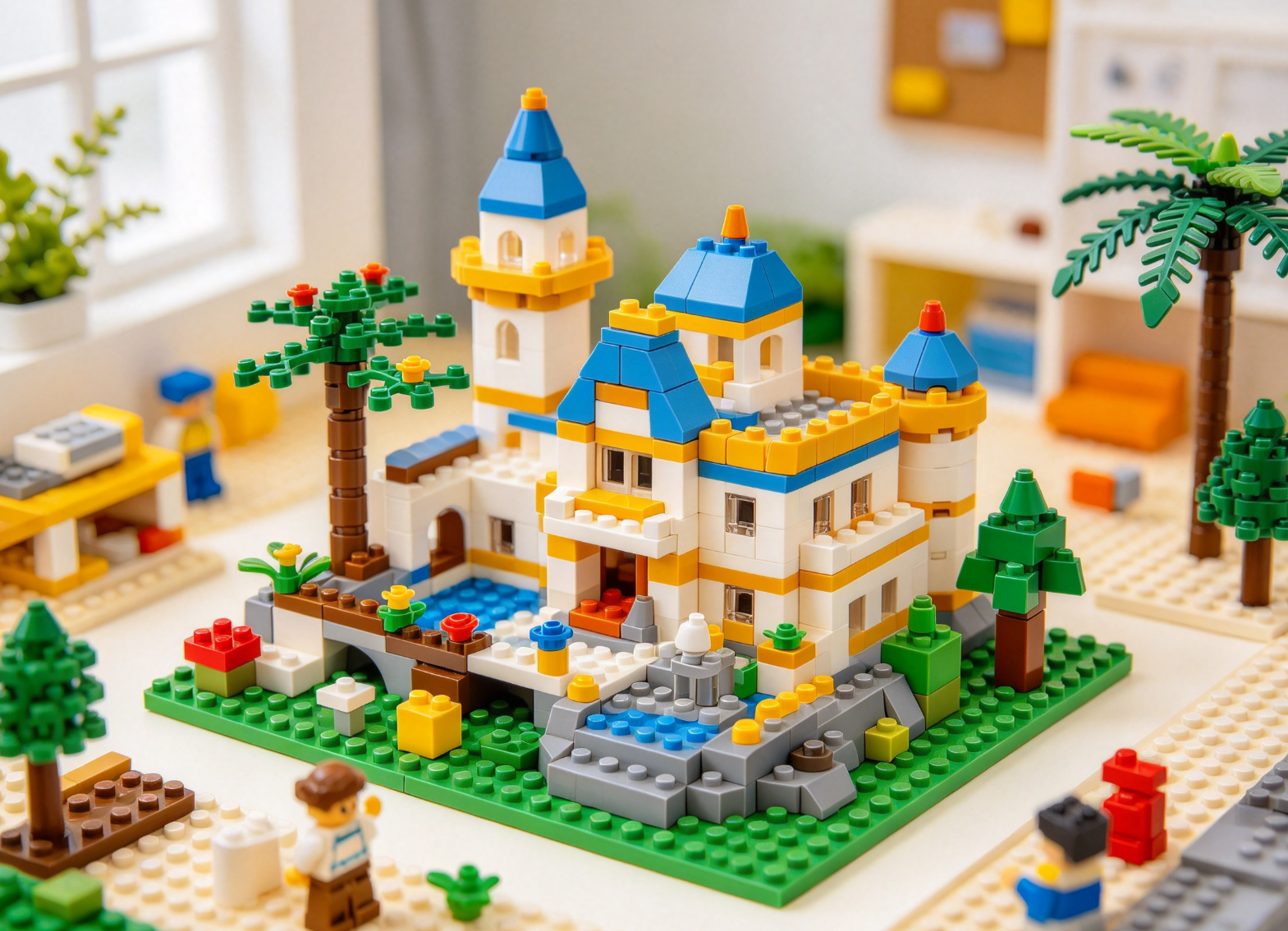
Fantasy-inspired models, fictional landscapes, castles, and imaginative scenes allow builders to explore storytelling through construction.
These sets are especially appealing if you enjoy creating a scene rather than assembling a single object.
You can also expand the experience by combining compatible elements from different projects to create your own environment.
Mechanical and Engineering Models
For those who prefer technical challenges, mechanical building sets provide opportunities to explore movement, structural design, and functional components.
Look for features such as rotating elements, gears, axles, linkages, and adjustable sections.
These builds can be particularly rewarding because the finished model does something rather than simply sitting on a shelf.
A useful tip: Choose your first project based on personal interest rather than maximum piece count. A model you genuinely love is much more likely to keep you engaged until the final piece is installed.
3. Check Compatibility Before Buying Alternative Building Blocks
One important consideration when shopping for alternative building brands is compatibility.
Many adult collectors already own building pieces from different manufacturers. Naturally, they may want to combine new purchases with their existing collections.
However, do not assume that every product described as compatible will work perfectly with every other system.
Before purchasing, investigate the following details:
- Dimensions: Are the pieces manufactured to a compatible size and connection standard?
- Connection strength: Do the pieces hold together securely without being excessively difficult to separate?
- Color consistency: Will newly purchased pieces look noticeably different when placed beside existing collections?
- Special components: Are unusual shapes, printed pieces, hinges, and mechanical elements compatible?
- Instructions: Are assembly diagrams clear enough to follow independently?
It is also worth checking whether replacement pieces are available. Losing one small but important component should not mean abandoning an otherwise enjoyable project.
For enthusiasts comparing different building options, CraftBlockWorld is another place to explore before choosing your next creative project.
4. Prepare a Comfortable Building Workspace
A well-organized workspace can make a surprisingly big difference to your building experience.
You do not need an entire hobby room. A dining table, spare desk, or dedicated corner can work perfectly well.
The important thing is to create an environment where you can concentrate and access your pieces easily.
Choose a Stable Surface
Start with a flat, stable table that provides enough room for the instruction booklet, building components, and the model itself.
If you are working on a large project, consider measuring the finished model's approximate dimensions before you begin.
This helps prevent an awkward situation where your nearly completed structure occupies the entire table.
Improve Your Lighting
Small building components can be difficult to distinguish, particularly when several colors are similar.
A desk lamp with adjustable positioning can make detailed assembly much easier.
Natural daylight is useful too, but avoid direct sunlight on unfinished or completed models for extended periods, as prolonged exposure can contribute to color fading.
Use Small Containers
Instead of spreading every component across the table, divide pieces into shallow trays or containers.
You can organize them by:
- Color
- Component size
- Shape
- Function
- Instruction bag number
For more experienced builders working with loose collections, sorting by component type can save considerable time.
Keep Essential Tools Nearby
A small pair of precision tweezers, a soft brush, a parts separator suitable for your building system, and a storage container for spare pieces can be useful additions.
You do not need an expensive professional toolkit.
The objective is simply to reduce unnecessary interruptions and make small adjustments easier.
5. Learn How to Organize Building Pieces Efficiently
Finding the right component is one of the most time-consuming parts of complicated projects.
A little preparation can prevent repeated searching and unnecessary frustration.
Start With a Simple Sorting System
If your set contains numbered bags, follow the recommended sequence rather than opening everything at once.
For sets without numbered packaging, separate the components into broad categories first.
For example:
| Container | Components | |---|---| | A | Small plates and tiles | | B | Standard bricks | | C | Slopes and curved pieces | | D | Connectors and mechanical parts | | E | Transparent and decorative pieces |
You can refine the system as your collection grows.
Avoid Over-Sorting
There is such a thing as spending too much time organizing.
If you are building a relatively small set, dividing every component by its exact dimensions may create more work than it saves.
Use a practical system that matches the size of the project.
For larger collections, labeled drawers or compartment organizers can be worthwhile investments.
Create a Spare Parts Container
Most building projects include additional small components.
Keep them separate from the main build and label the container with the set name or project number.
This is particularly helpful if you dismantle models and reuse pieces later.
6. Follow the Instructions Without Losing Your Creative Freedom
Instructions are there to make construction easier, but experienced builders know that the process can also involve experimentation.
If you are new to complex building sets, follow the instructions carefully during your first few projects.
Build in Small Sections
Rather than rushing through dozens of steps, divide your project into manageable sessions.
For example:
- Session 1: Base and foundation
- Session 2: Main structural sections
- Session 3: Decorative details
- Session 4: Final assembly and inspection
It also makes it easier to identify mistakes before they become difficult to correct.
Check Every Connection
Before adding another layer, confirm that the previous components are positioned correctly.
Look for uneven surfaces, loose connections, gaps, and pieces that appear slightly misaligned.
Small errors can create bigger problems later, particularly in models with multiple connected sections.
Understand the Structure
Do not focus only on matching the pictures.
Try to understand why each group of pieces is being added.
For example, a hidden internal layer may strengthen the model, while overlapping connections can help distribute weight and improve stability.
Once you understand these principles, building becomes less about copying pictures and more about learning construction techniques.
Experiment After Completing the Model
After finishing your first build, consider whether there are small details you would like to personalize.
You might change a decorative element, introduce a different color combination, or design a small scene around the finished structure.
However, avoid modifying important structural connections unless you understand how the changes may affect stability.
7. Improve Your Building Skills With Practical Techniques
The difference between a basic build and a polished display model often comes down to small details.
Here are several techniques worth practicing.
Work With Symmetry
When constructing buildings, vehicles, or other balanced models, compare the left and right sides regularly.
Even minor differences can become obvious once the structure is complete.
If possible, build matching sections together before attaching them to the main model.
Pay Attention to Color Distribution
Color placement has a major effect on the finished appearance.
When building custom designs, avoid introducing too many unrelated colors unless you are intentionally creating a playful or highly decorative style.
A limited palette often makes a model look more cohesive.
For example, an architectural scene might use neutral walls, darker structural elements, and a small number of accent colors.
Strengthen Large Structures
Large models require careful attention to their internal construction.
A visually attractive exterior is not enough if the internal connections cannot support the weight.
Use overlapping connections where the design allows them, check the stability of long sections, and avoid putting unnecessary pressure on delicate decorative elements.
Practice With Smaller Projects
If you want to improve quickly, build several smaller models rather than immediately purchasing the largest set available.
Smaller projects provide opportunities to practice alignment, color selection, connection techniques, and instruction reading.
These skills will become increasingly valuable as you move toward more complex builds.
8. Display Your Finished Model Like a Collector
Finishing a model is satisfying, but choosing where and how to display it is another important part of the hobby.
A well-positioned creation can become an interesting feature of your home or workspace.
Measure Before Choosing a Display Location
Check the length, width, and height of your completed model.
Remember to allow additional room for opening display cases, cleaning, and accessing the structure.
A shelf that fits the model exactly may not be practical in everyday use.
Match the Display to the Model
Different types of models benefit from different presentation styles.
- Architectural models look attractive on open shelves or inside display cabinets.
- Vehicles benefit from platforms that allow their shape to be viewed from multiple angles.
- Botanical models can complement desks, side tables, and bookshelves.
- Large fantasy scenes may need dedicated shelving or a wider display surface.
Consider Dust Protection
Dust can gradually collect between small components, particularly in intricate models.
A glass or acrylic display case can help reduce dust accumulation.
If you prefer open shelving, use a soft brush or gentle air blower to clean accessible areas carefully.
Avoid using harsh cleaning chemicals unless the manufacturer specifically confirms they are suitable for the materials.
Think About Lighting
Lighting can highlight architectural details and interesting shapes.
However, avoid placing models directly beside strong heat sources or in locations exposed to prolonged intense sunlight.
Indirect lighting is often a practical choice for home displays.
9. Maintain Your Building Block Collection
A good building hobby does not end when the model is complete.
If you plan to build multiple sets over time, maintaining your collection becomes increasingly important.
Store Unused Pieces Properly
Keep loose components in clean, dry containers.
Separate unusual or specialized parts so they are easier to locate later.
Avoid storing heavy objects on top of delicate components, as this can make organization more difficult and potentially damage fragile elements.
Clean Models Carefully
For regular maintenance, a soft brush is often sufficient.
If a model needs more thorough cleaning, consider its materials and construction before removing components or applying moisture.
Some printed, stickered, or delicate sections may require extra care.
Keep Instructions and Product Information
Store instruction manuals in folders or protective sleeves.
For digital instructions, keep a backup in an organized folder.
It is also useful to record the set name, purchase date, and any missing or replacement components.
This simple habit becomes particularly valuable when you own several large projects.
10. Avoid These Common Mistakes When Buying and Building
Even experienced hobbyists occasionally make decisions that complicate their projects.
Here are some mistakes worth avoiding.
Buying Based Only on Piece Count
A larger number of pieces does not automatically mean a better building experience. Look at the design, construction methods, and actual complexity.
Ignoring Finished Dimensions
A model may look compact on its packaging but occupy considerably more space when completed. Always check its measurements.
Opening Every Bag at Once
This can make it harder to find components and increase the chances of losing small pieces.
Forcing Incorrect Connections
If two pieces do not connect properly, stop and check their orientation. Excessive force can damage components or make disassembly difficult.
Choosing a Set Without Checking Reviews
Customer photographs and detailed feedback can reveal information that product descriptions may not explain.
Forgetting About Long-Term Storage
Before starting a large project, decide where you will display it or store it if you eventually dismantle it.
11. Make Building a Long-Term Creative Hobby
One of the best things about building blocks is that the experience does not have to end with a completed model.
You can gradually develop your own building style, experiment with different themes, and create a collection that reflects your interests.
Try setting yourself a small monthly challenge.
One month, build an architectural model. The next, experiment with a vehicle or a nature-inspired design. Later, combine compatible pieces to create something entirely original.
You can also photograph your finished projects and keep a digital building journal. Record what techniques worked, which components were difficult to use, and what you would change next time.
Over time, these notes become a personal reference library that helps you approach more ambitious projects.
Another enjoyable option is sharing your creations with online building communities. Enthusiasts across North America and Europe regularly exchange building ideas, display inspiration, and practical construction advice.
The most rewarding part of the hobby is not necessarily owning the biggest collection. It is developing the confidence to turn an idea into something tangible.
If you are ready to explore new designs, discover more creative building inspiration at CraftBlockWorld and find a project that makes you excited to start building.
Frequently Asked Questions (FAQ)
1. Are Building Block Sets Suitable for Adults?
Absolutely. Many building sets are designed with adult enthusiasts in mind, offering intricate construction, realistic details, architectural designs, and challenging mechanical features. They can be enjoyed as creative hobbies, collectible projects, or decorative displays.
2. What Should Beginners Look for When Choosing Adult Building Blocks?
Beginners should prioritize clear instructions, manageable piece counts, stable construction, and themes they genuinely enjoy. A medium-sized project is often a good starting point because it provides enough challenge without making the learning process overwhelming.
3. Are Alternative Building Blocks Compatible With LEGO Bricks?
Some alternative building block brands manufacture components designed to work with LEGO-style systems, but compatibility is not universal. Always check the product specifications, dimensions, and customer feedback before combining components from different manufacturers.
4. How Do You Keep Building Block Models Clean?
Use a soft brush to remove dust regularly. Display cases can provide additional protection, while clean, dry storage containers help protect unused components. Avoid harsh chemicals and excessive moisture, especially around printed or stickered elements.
5. What Is the Best Way to Store Building Blocks After Completing a Set?
For models you want to preserve, use a display case or a stable shelf away from direct sunlight. If you prefer to dismantle your models, sort the pieces into labeled containers and keep the original instructions in a folder so you can rebuild them later.