How to Build a Realistic Brick Car Garage: A Creative Guide to Building Your Own Automotive Display
Learn how to build a realistic brick car garage with creative layouts, automotive accessories, workshop details, and display ideas for building block enthusiasts.
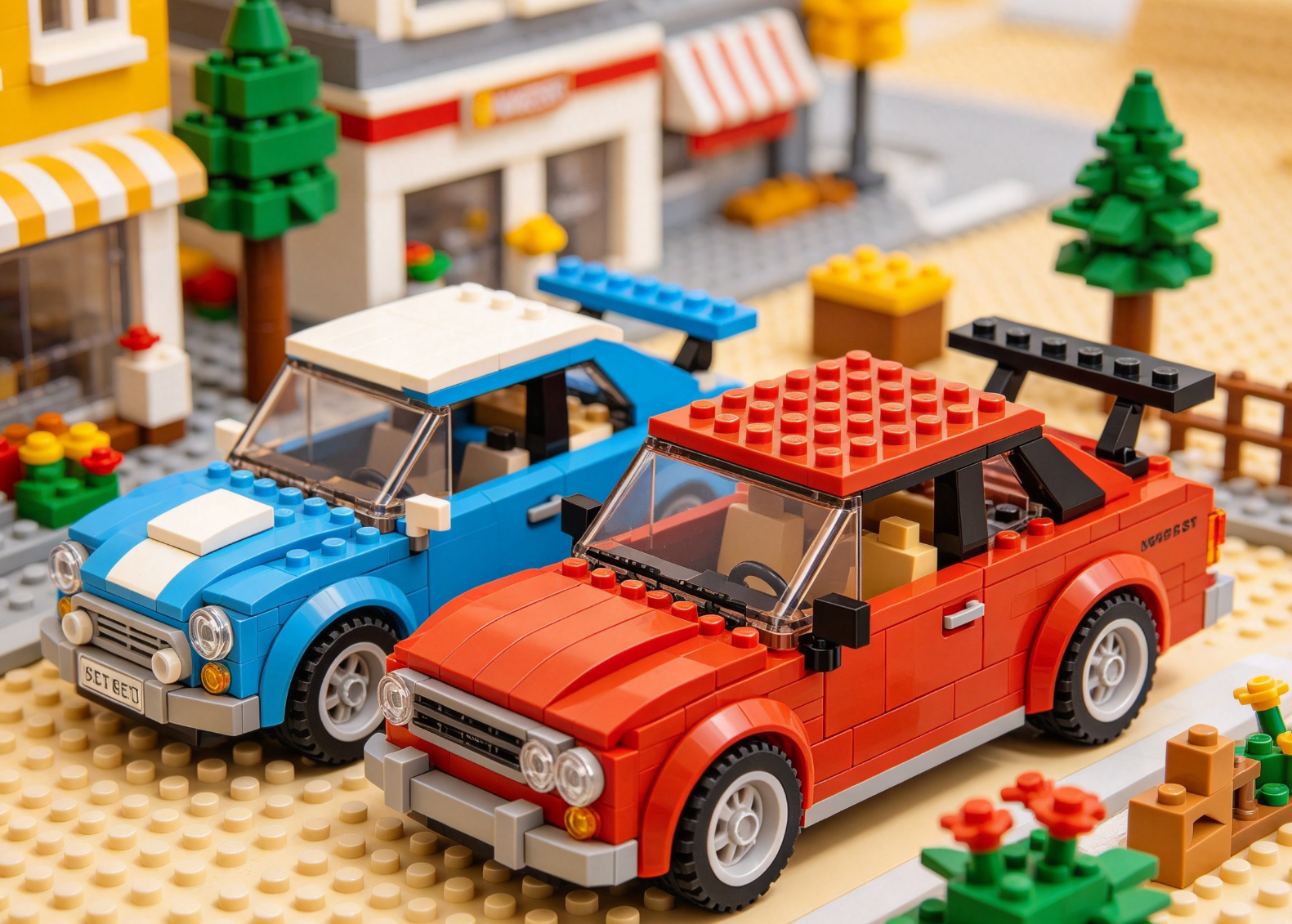
A miniature car garage can be much more than a place to park a model vehicle. With the right combination of building blocks, thoughtful layouts, and carefully chosen details, you can create an entire automotive world on a tabletop.
Imagine a small workshop with a sports car waiting for maintenance, a mechanic's tool cabinet against the wall, tires stacked in one corner, and bright overhead lights illuminating the scene. Perhaps you prefer a modern supercar showroom, a vintage repair shop, or a busy racing garage. Whatever your vision, building a miniature automotive environment gives you the freedom to tell a story through construction.
This type of creative project is becoming an interesting direction for building enthusiasts across the United States, the United Kingdom, Canada, and Europe. Instead of collecting individual vehicles, builders can create connected environments that make their models feel more complete.
The best part? You do not need professional modeling experience or an enormous collection to get started.
Whether you already own several car bricks models or are exploring your first automotive-themed toy building sets, this guide will show you how to plan, construct, decorate, and expand a miniature garage.
We will also look at how to select compatible components, create realistic workshop details, and make your finished display feel like a small piece of automotive life.
1. Decide What Kind of Miniature Garage You Want to Build
Before opening your building block containers, spend some time imagining the finished scene.
A common mistake is starting with individual walls and decorative pieces without knowing how the entire environment should work. This often leads to an overcrowded layout or a garage that does not have enough room for its vehicles.
Instead, choose a clear theme.
A Modern Supercar Garage
If you enjoy contemporary automotive design, a modern garage is an excellent choice.
Think clean architectural lines, large windows, polished floors, bright lighting, and plenty of open space.
Your scene might include:
- A display platform for a high-performance sports car.
- Glass-style walls or large windows.
- A vehicle preparation area.
- A small office or reception desk.
- Wall-mounted storage cabinets.
You can also introduce one strong accent color to give the environment more personality.
A Classic Automotive Workshop
Vintage garages offer a completely different atmosphere.
Rather than creating a spotless showroom, you can design a workshop that looks as though it has been used for decades.
Consider including:
- Old-fashioned tool cabinets.
- Shelves filled with spare components.
- A workbench.
- Vintage advertising signs.
- Stacks of tires.
- A small service counter.
A Racing Team Garage
For motorsport enthusiasts, a racing garage may be the most exciting option.
You could create separate areas for vehicle preparation, tire storage, mechanical work, and team coordination.
Useful details include racing number boards, equipment carts, tool stations, safety barriers, and a small area for spare wheels.
The environment should feel organized but busy, as though the team is preparing for its next race.
An Everyday Neighborhood Repair Shop
Not every miniature garage needs to look expensive or dramatic.
A neighborhood repair shop can be especially charming because it tells a familiar story.
Imagine a compact workshop with a single service bay, a small office, a parking space outside, and a mechanic's workbench.
This theme is ideal if you have limited building space or prefer smaller projects.
Planning tip: Choose one main theme and build around it. You can always expand later, but a clear starting concept makes it much easier to create a coherent scene.
2. Choose the Right Building Sets and Components
Once you have a theme, the next step is choosing the pieces that will bring it to life.
You may already have a collection of vehicles, or you might be planning to purchase a new automotive set specifically for the project.
Either way, think about the relationship between your car model and its surroundings.
Start With the Vehicle
Your vehicle should influence the garage dimensions and overall design.
A compact classic car needs less space than a large racing vehicle or detailed supercar model.
Measure the length, width, and height of your largest vehicle before designing the building.
Leave additional room for opening doors, moving vehicles in and out, and placing decorative objects nearby.
A garage that fits the car perfectly but leaves no room for accessories will quickly feel cramped.
Look for Useful Building Components
When selecting toy building sets for a garage project, prioritize versatility rather than simply purchasing the largest available set.
Useful components include:
| Component Type | How It Can Be Used | |---|---| | Standard bricks | Walls, pillars, and partitions | | Flat plates | Floors, platforms, and work surfaces | | Transparent pieces | Windows and display panels | | Slopes and curved pieces | Roofs and architectural details | | Small tiles | Flooring patterns and signage | | Hinges and connectors | Doors and movable sections | | Wheels and axles | Workshop equipment and accessories | | Small decorative elements | Tools, shelves, and interior details |
A mixture of basic and specialized components gives you more creative freedom.
Consider Alternative Building Brands
Many enthusiasts enjoy combining automotive models and creative environments from different building collections.
If you are researching west brick or other alternative building options, look beyond product photographs.
Check the actual component dimensions, connection strength, available specialized pieces, and customer feedback.
Compatibility is particularly important when your garage uses components from several manufacturers.
Do not assume that pieces with similar appearances will always connect perfectly.
If possible, test a few basic components before committing to a large mixed-brand project.
You can also explore different creative building options at CraftBlockWorld when planning your next automotive-themed construction project.
3. Plan the Garage Layout Before You Start Building
A good layout makes a miniature garage look believable.
In a real workshop, people need room to move around vehicles, access tools, store equipment, and perform maintenance. The same logic applies to a model environment.
You do not need to recreate every detail of a professional automotive facility, but the main areas should make practical sense.
Create a Simple Floor Plan
Start by drawing a rough top-down layout on paper.
Mark the positions of the following elements:
- Vehicle parking or service bay.
- Tool storage area.
- Workbench.
- Entrance and exit.
- Optional office or customer area.
- Exterior parking or display space.
For a larger scene, you can divide the space into separate functional zones.
Leave Enough Room Around the Vehicle
This is one of the most important design decisions.
A garage that is technically large enough for a car may still look unrealistic if the vehicle almost touches every wall.
Allow space for visual breathing room.
Think about where a mechanic would stand, where tools might be stored, and how the vehicle could enter or leave the workshop.
Think About the Viewing Angle
Most miniature scenes are displayed from the front or from a slightly elevated angle.
This means you should consider which walls will remain visible.
For example, an open-front garage can make interior details easier to appreciate.
A three-sided structure may provide more architectural realism, but it can hide interesting workshop features.
A removable roof is another useful option, allowing you to inspect and photograph the interior.
Design for Future Expansion
If you expect to build more vehicles later, leave some room for additional sections.
You might eventually add a second garage bay, a showroom, a small parking lot, or an outdoor service area.
Modular construction makes this easier because you can expand the scene without rebuilding the entire foundation.
4. Build a Strong and Attractive Garage Foundation
The floor is often overlooked, but it has a major effect on the overall appearance of a miniature automotive scene.
A plain, unfinished base can make an otherwise detailed garage look incomplete.
Choose a Suitable Base Size
Start with a base that can support the garage walls, vehicle, and interior accessories.
If the model is intended for a shelf, measure the available display area first.
For larger projects, consider dividing the foundation into connected sections.
This makes transportation and future modifications easier.
Create Visual Interest With Flooring
A realistic garage floor does not have to be complicated.
You can use different colors and tile arrangements to suggest separate functional areas.
For example:
- Gray flooring for the main service area.
- Darker tiles for a vehicle platform.
- Contrasting strips to mark parking boundaries.
- A different floor pattern near the office or entrance.
A restrained palette often looks more convincing than a floor filled with random decorative patterns.
Add a Workshop Boundary
You can use low walls, pillars, or floor markings to define different areas.
This helps create the impression of a functioning workspace without requiring a fully enclosed building.
It also gives the overall scene a clearer visual structure.
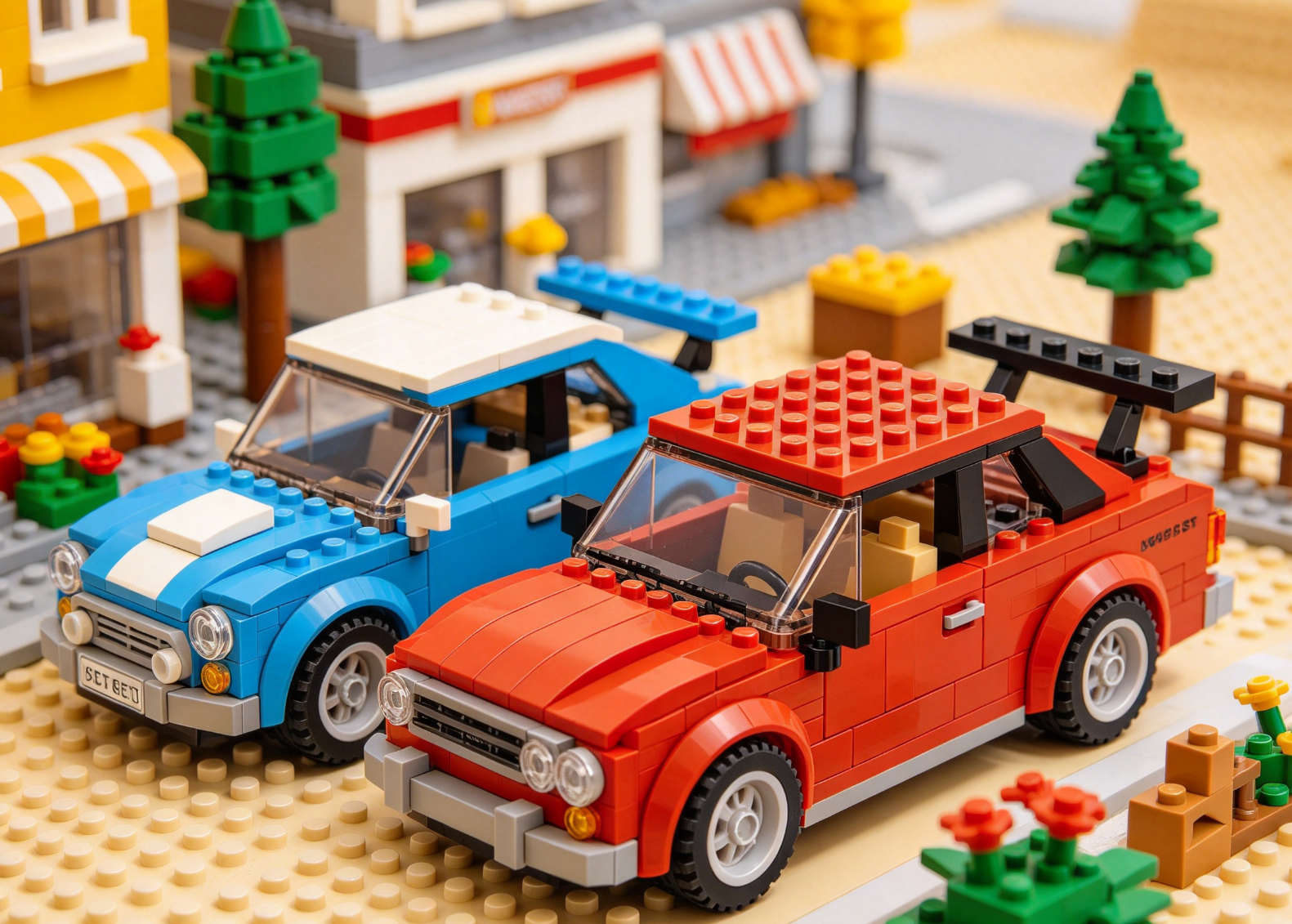
5. Construct the Walls, Roof, and Garage Entrance
With the foundation ready, it is time to build the main structure.
The design should reflect the theme you selected earlier.
Build the Main Walls
For a modern garage, simple walls with large window sections can create an open architectural appearance.
For a traditional workshop, solid walls with smaller windows may look more appropriate.
Try combining different textures rather than using a single uninterrupted wall pattern.
Small changes in color, depth, and component placement can make a big difference.
Create an Interesting Entrance
The garage entrance is one of the first features people notice.
Depending on your building system, you could design:
- A wide open entrance.
- A segmented garage door.
- A sliding-style entrance.
- A decorative overhead door.
- A large showroom-style glass opening.
A door that looks attractive but does not open smoothly can become frustrating.
Decide Whether to Add a Roof
A complete roof can make your garage look more like a finished building.
However, it may also hide the interior.
One practical solution is to create a removable roof section.
This provides two advantages: the model looks complete when displayed, but you can remove the roof when photographing or rearranging the interior.
6. Create a Realistic Workshop Interior
This is where your garage begins to develop its own personality.
A well-designed interior contains small details that suggest how the space is used.
The secret is not to add as many accessories as possible. Instead, choose objects that make sense within the scene.
Build a Workbench
A workbench is one of the easiest ways to make a garage look functional.
Place it against a wall or in a corner where it does not interfere with the vehicle.
You can decorate it with small tools, containers, spare components, or a compact storage shelf.
Add Tool Storage
A mechanic's workspace should have somewhere to keep equipment.
Consider building:
- A wall-mounted tool rack.
- A drawer cabinet.
- Small storage boxes.
- A parts shelf.
- A rolling equipment cart.
Even a small arrangement of differently colored pieces can suggest a collection of tools when viewed at display distance.
Include a Tire Storage Area
Tires are visually recognizable automotive accessories.
A small stack of spare wheels can add realism without occupying much room.
You can also build a separate tire rack if your scene has enough space.
Try keeping the tire arrangement neat rather than placing everything randomly.
Add Lighting Details
Lighting can help distinguish different sections of the workshop.
You could create overhead fixtures, wall-mounted lamps, or decorative lighting above a display platform.
If you use actual electronic lighting accessories, make sure the wiring can be hidden safely and does not interfere with the structure.
Even without working lights, transparent or contrasting components can help suggest illuminated areas.
Create a Small Office
A compact office or reception corner can make the garage feel like a real business.
A desk, chair, computer-style display, and small sign are often enough.
For a neighborhood workshop, this area could also include a customer waiting space.
7. Add Automotive Accessories That Tell a Story
A great miniature scene should make people imagine what is happening inside it.
This is where small accessories become especially valuable.
Instead of simply filling empty spaces, use objects to create a visual narrative.
Show a Vehicle Being Repaired
You could position a car near a workbench with spare components arranged nearby.
A small equipment cart or toolbox beside the vehicle suggests that maintenance is taking place.
For an advanced display, consider a separate vehicle preparation area.
Create a Racing Preparation Scene
For a motorsport-inspired garage, place spare tires, equipment cases, and racing-style signage around the vehicle.
You could even create a small pit preparation area outside the garage entrance.
The goal is to suggest activity without making the scene too crowded.
Build a Collector's Display Corner
If you prefer a more polished showroom, create a dedicated platform for a special vehicle.
Use contrasting floor colors, transparent walls, and a simple display sign.
A clean, carefully arranged presentation often makes a vehicle look more impressive than a large collection of unrelated accessories.
Use Small Signs and Labels
Signs help communicate what each area represents.
Examples include:
- Service Department.
- Vehicle Inspection.
- Tire Storage.
- Workshop.
- Customer Parking.
- Racing Team.
Make sure the lettering remains readable at the distance from which the model will usually be viewed.
8. Make Your Garage More Interesting With a Sense of Scale
One common challenge in miniature construction is maintaining consistent proportions.
A workbench that is too large can make a car look unusually small. An oversized garage door can make the entire building feel unbalanced.
You do not necessarily need to recreate exact real-world measurements, but the relationships between objects should look believable.
Choose One Main Vehicle Scale
If your collection contains several different vehicle models, compare their dimensions before placing them together.
Vehicles that are dramatically different in scale can make a shared scene look confusing.
For example, a small compact car and a much larger detailed racing model may not look convincing inside the same narrow workshop.
Check Furniture Proportions
Tool cabinets, desks, shelves, and doors should appear appropriately sized relative to the vehicles.
Take a photograph of the scene from the intended viewing angle.
Sometimes a layout that looks balanced from above appears overcrowded when photographed from the front.
Use Negative Space
Not every corner needs to be filled.
Open space around a vehicle can make the model feel more important and improve the overall composition.
Think of the empty areas as part of the design rather than unfinished sections.
9. Customize Your Scene With a Distinctive Theme
Once the main garage is complete, you can start adding personal touches.
This is where your project can move beyond a standard workshop design.
Choose a Color Identity
A consistent color palette helps connect the building, vehicles, and accessories.
For example:
| Theme | Suggested Color Direction | |---|---| | Modern showroom | White, gray, black | | Vintage workshop | Dark red, tan, brown | | Racing garage | White, red, black | | Luxury garage | Black, silver, dark blue | | Off-road workshop | Green, gray, tan |
These are design suggestions rather than fixed rules.
You can adapt the palette to match the vehicles you already own.
Create a Brand-Inspired Workshop
You can design a fictional automotive workshop with its own name, signage, and visual identity.
A small logo-style sign, matching wall colors, and coordinated equipment can make the entire model feel like a miniature business.
If you plan to display the scene publicly, use original artwork or properly licensed branding rather than copying protected commercial logos.
Introduce Seasonal or Event-Based Details
Another interesting approach is to change the scene throughout the year.
For example, you could create a winter vehicle preparation area, a summer car meet, or a special motorsport event display.
These smaller changes allow you to refresh your collection without rebuilding the main structure.
For more building inspiration and alternative creative projects, visit CraftBlockWorld.
10. Photograph Your Finished Garage Like a Miniature Model Builder
A completed scene deserves good photographs.
You do not need an expensive camera to capture the details.
A modern smartphone can produce excellent results with a little preparation.
Use a Simple Background
A neutral background helps the garage stand out.
Avoid placing the model in front of a busy environment that competes with its colors and details.
Photograph From Several Angles
Take photographs from:
- A straight-on front view.
- A slightly elevated front corner.
- A top-down view.
- An interior detail view.
- A close-up of the vehicle and accessories.
Use Soft Lighting
Harsh direct lighting can create strong reflections on transparent components.
Try using soft, indirect light and avoid placing the model directly in front of bright windows.
Tell a Story With Your Photographs
Instead of only taking a picture of the completed building, photograph a particular moment.
A car entering the workshop, a mechanic working beside a vehicle, or a showroom display can make the scene feel more engaging.
If you share your creations in online building communities, these storytelling photographs can be more interesting than a single product-style image.
11. Maintain and Expand Your Miniature Automotive World
A good garage scene does not have to remain unchanged forever.
As your collection grows, you can add new vehicles, modify the building, or create additional environments.
Keep Loose Components Organized
Store unused pieces in labeled containers.
Separate decorative elements, structural components, wheels, and specialized connectors.
This makes future modifications much easier.
Protect the Display From Dust
A transparent display case can help protect intricate interiors and small accessories.
If you use open shelving, clean the scene periodically with a soft brush.
Avoid aggressive cleaning methods that could loosen small components.
Expand With Modular Sections
Instead of rebuilding the entire garage, consider adding connected modules.
Possible expansions include:
- A second service bay.
- An outdoor parking area.
- A vehicle showroom.
- A tire and parts warehouse.
- A small racing preparation center.
- A roadside service station.
Keep a Record of Your Design
Photograph your layout before making major changes.
You can also record the dimensions, component requirements, and color combinations used in each section.
This is especially helpful if you eventually dismantle part of the scene and want to recreate it later.
12. Common Mistakes to Avoid When Building a Brick Car Garage
Even a creative project can become frustrating if a few basic planning decisions are overlooked.
Here are some problems worth avoiding.
Making the Garage Too Small
Always measure your largest vehicle first. Allow enough space for surrounding accessories and realistic movement.
Adding Too Many Decorative Pieces
A garage should have a clear purpose. Filling every empty area with accessories can make the scene feel cluttered.
Ignoring Vehicle Scale
Different car models may not have identical proportions. Check their dimensions before placing them together.
Using an Inconsistent Color Palette
Too many unrelated colors can weaken the overall appearance. Choose a main palette and use accent colors selectively.
Building a Permanent Roof Too Early
A removable roof is often more practical because it allows you to access and photograph the interior.
Mixing Components Without Checking Compatibility
Different building brands may have different dimensions and connection tolerances. Test components before using them in important structural areas.
Forgetting About Display Space
A detailed garage can become surprisingly large. Measure your shelf or display cabinet before starting the project.
13. Take Your Building Hobby Beyond Individual Car Models
One of the most rewarding things about automotive building is discovering how individual projects can connect.
A single vehicle can become the centerpiece of a garage. That garage can eventually become part of a larger street scene, racing environment, or miniature city.
You can build a story one section at a time.
Start with a simple workshop. Add a vehicle display area later. Eventually, you might create an entire automotive district with service stations, parking spaces, and different types of vehicles.
There is no need to finish everything in one weekend.
In fact, leaving room for future ideas is part of the fun.
Whether you enjoy realistic automotive environments, imaginative workshop designs, or detailed vehicle collections, building blocks give you a flexible way to turn your ideas into something tangible.
The most interesting miniature garages are not necessarily the largest ones. They are the ones where every small detail feels intentional.
Choose a theme, plan your space, build at your own pace, and let your collection develop naturally.
When you are ready for your next creative project, explore CraftBlockWorld for more building inspiration and alternative building possibilities.
Frequently Asked Questions (FAQ)
1. What Do I Need to Build a Miniature Brick Car Garage?
You will need a suitable base, standard building blocks, plates, wall components, and at least one vehicle model. Additional useful pieces include transparent elements, wheels, small tiles, and decorative components for workbenches, tool storage, and signage.
2. How Much Space Do I Need for a Brick-Built Car Garage?
The required space depends on the size of your vehicle and the complexity of the garage. A simple single-bay workshop can fit on a relatively small display surface, while a detailed automotive showroom or multi-bay garage will require more room. Measure your largest vehicle before planning the layout.
3. Can I Combine Different Brands of Car Bricks and Building Sets?
Some alternative building brands offer compatible components, but compatibility is not guaranteed across every product. Check dimensions, connection tolerances, and customer feedback. Testing a few components before constructing important sections is a practical approach.
4. How Can I Make My Miniature Garage Look More Realistic?
Focus on functional layout, consistent proportions, appropriate color combinations, and small details such as tool cabinets, spare tires, workbenches, signage, and lighting. Leaving some open space around the vehicles also helps the scene look more natural.
5. What Is the Best Way to Expand a Brick Car Garage?
Modular construction is one of the most practical approaches. Build separate sections, such as a showroom, service bay, parking lot, or parts storage area, and connect them as your collection grows. This allows you to expand your miniature automotive environment without rebuilding the original structure.