How to Build a Temple of Heaven Model with Building Blocks
A step-by-step guide to building a Temple of Heaven block model — workspace setup, sorting, symmetry, layered roof work, customization, and display tips for Western adult builders.
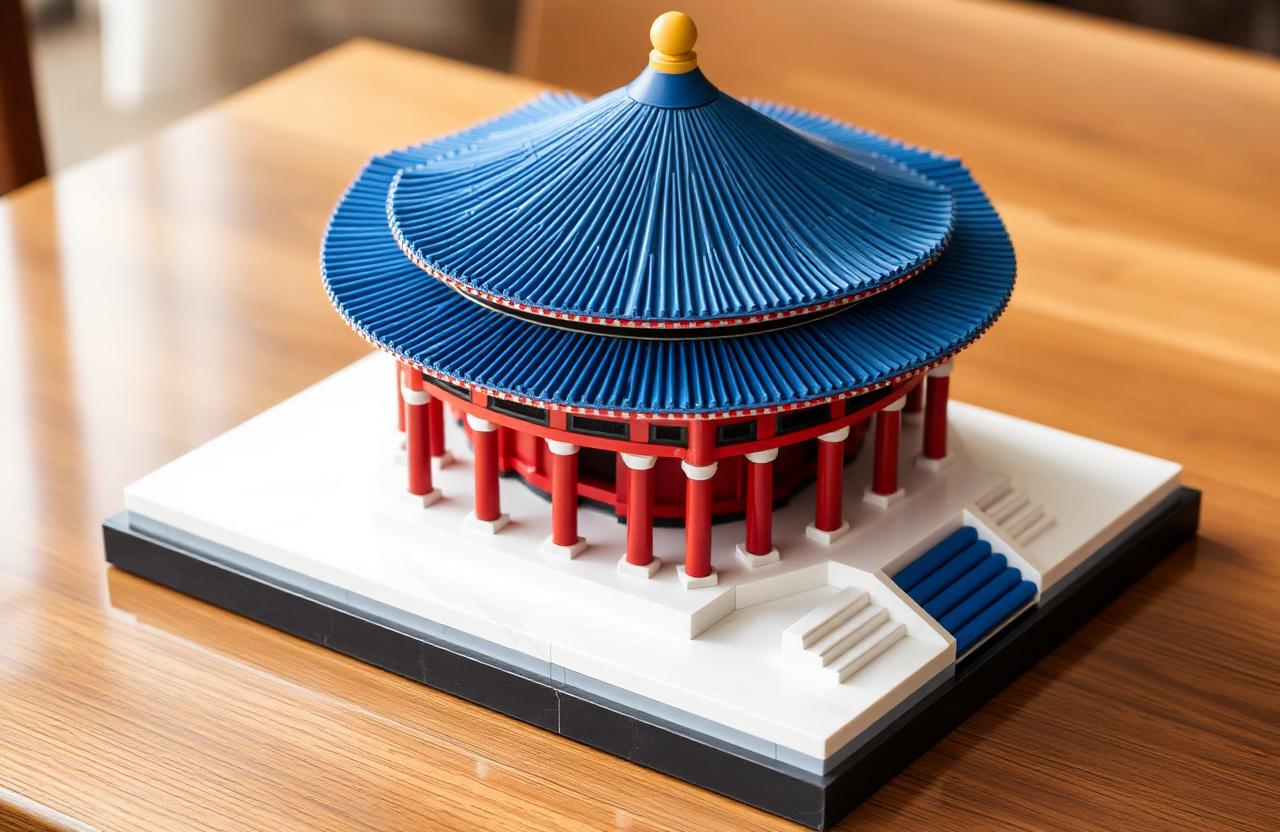
Building a landmark model is different from building a car, robot, or spaceship. You are not just snapping parts together. You are studying shape, balance, rhythm, and history at the same time. That is exactly why a Temple of Heaven project feels so rewarding.
For many adult builders, the Temple of Heaven stands out because it mixes geometry with ornate detail. The round layered roof, raised platform, repeating columns, and strong symmetry give you a build that looks calm and complex at once. If you want a model that works as both a hands-on project and a display piece, a Temple of Heaven building blocks set is a smart choice.
This guide walks you through how to build a Temple of Heaven model step by step, with practical advice for planning, sorting, assembly, problem-solving, customization, and display. If you are exploring sets from our premium brick collection, this guide will help you get more value from your model from the first bag to the final display shelf.
Temple of Heaven Build Guide. Start Here.
The Temple of Heaven is one of Beijing's most recognized architectural landmarks. It is known for its circular main hall, layered blue roof, elevated marble-style base, and strict visual harmony. Those features make it a strong candidate for a Beijing landmark brick set because the design translates beautifully into block form.
What makes this model special is not just its look. It also teaches you how traditional architectural design uses repetition and proportion. As you build, you start to notice patterns:
- Circular layering in the roof
- Repeated column spacing
- Axial symmetry from every angle
- Tiered platforms that create height without bulk
- Decorative color blocking that drives visual impact
For many builders, that mix is the appeal. A Chinese temple architecture model feels structured, meditative, and technical all at once.
What You Need Before You Build
Before opening the first bag, take five to ten minutes to set up correctly. This simple step saves time and reduces errors later.
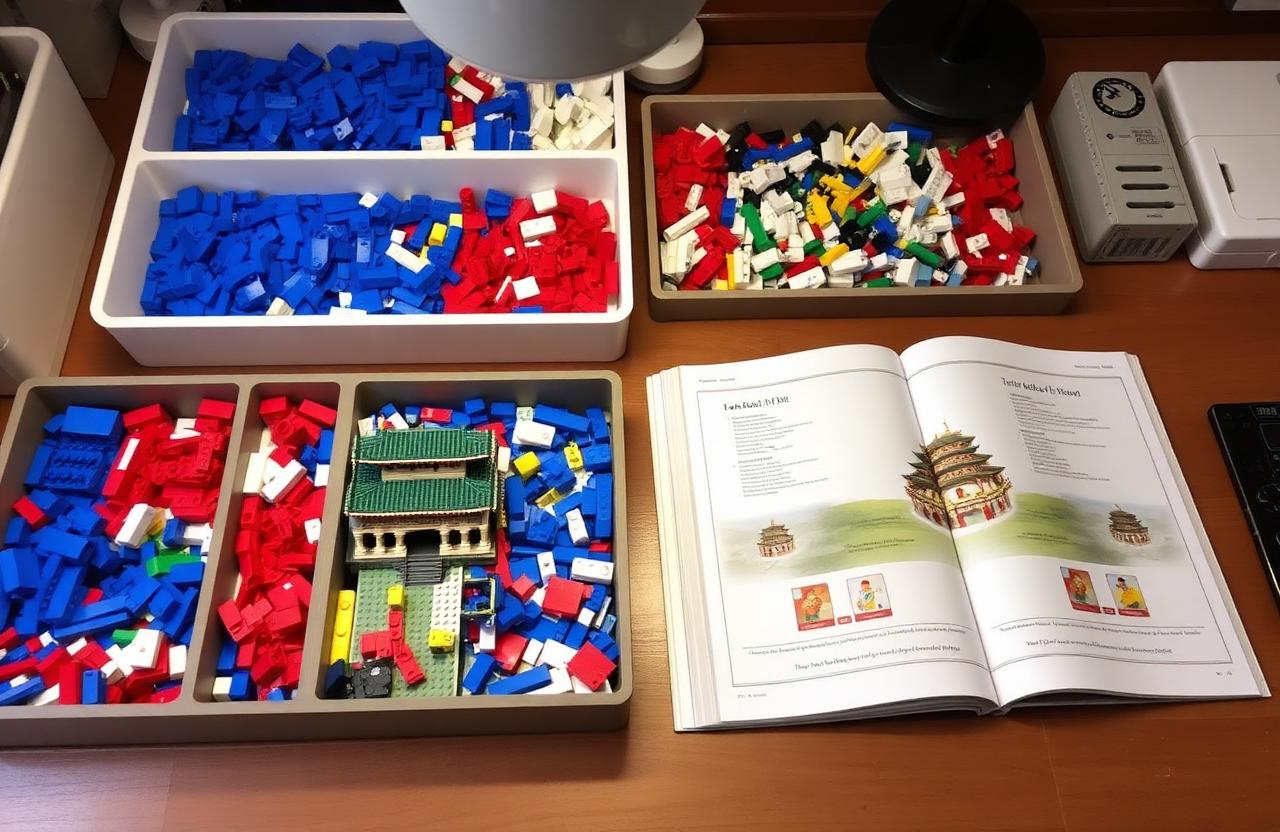
Clear a flat work area
Architecture builds need stability. Use a large, flat table with enough room to spread parts in groups. Avoid soft surfaces like beds or couches. A rigid surface helps keep the base aligned.
Prepare small sorting trays
Even if your set is packed by stage, sorting still helps. Use bowls, trays, or shallow containers for plates and tiles, small connector parts, round elements, decorative detail pieces, and spare pieces.
Check your lighting
Temple builds often use many similar colors and small decorative parts. Good overhead light matters. A desk lamp helps when attaching tiny roof or railing elements.
Review the instruction flow
Do not skip ahead too much, but spend a minute scanning the booklet. This tells you how the base develops, when support layers appear, which sections repeat, and where delicate assemblies begin.
Set realistic build time
A large architectural set is rarely a one-sitting project. Plan for sessions. A moderate to complex Temple of Heaven model may take several hours or a full weekend depending on size and part count. For more on managing long sessions, see our complete adult building block guide.
How to Understand the Structure Before Building
A Temple of Heaven model usually breaks down into four main areas. Knowing them in advance makes the process easier.
- Base platform — the foundation; accuracy matters here more than speed.
- Stairways and outer detailing — create the transition from ground to main hall and define symmetry.
- Column ring and wall structure — the vertical frame; one stud off here and the roof will not sit properly.
- Tiered roof and top ornament — the visual highlight, and the part that needs the most patience.
Step 1: Build the Base First and Get It Perfect
Base work is not glamorous, but it decides whether the final model looks clean or crooked. Confirm that your first layer is fully locked and flush. Press down gently across the entire base after each major section. This reveals uneven connections early and strengthens the frame before upper layers add weight.
For Temple of Heaven builds, the base often includes circular or octagonal transitions. Watch these carefully. A small alignment mistake at the bottom can create visible drift in the upper tiers.
- Work from the center outward when possible
- Count studs on both sides before attaching mirrored sections
- Compare left and right edges often
- Do not force plates into place if resistance feels uneven
Step 2: Build in Symmetry, Not in Speed
The Temple of Heaven is all about balance. Instead of finishing one side completely and then moving to the other, build in mirrored stages whenever the instructions allow. Add the same kind of part to both sides before moving on. This helps you spot mistakes immediately.
This is especially useful in a Temple of Heaven building blocks project because the real building depends so heavily on repeated architectural rhythm. If one stair, railing, or column spacing is off, the whole look changes.
Step 3: Take Extra Care with Stairs, Railings, and Platforms
The raised platform of the Temple of Heaven often includes layered steps, low rails, and perimeter detailing. These pieces can be small, repetitive, and easy to rush. Do not rush them.
- Finish one tier completely before stacking the next
- Double-check corner connections
- Keep rails parallel to the edge
- Verify step counts on each side
If your set uses smooth tiles to imitate stone or marble, align them tightly. Tiny gaps can make the platform look unfinished. Pause and inspect the silhouette from eye level — a good architecture build looks clean from every side, not just from above.
Step 4: Build the Main Hall Frame with Patience
Once the platform is done, the model starts to feel like a real landmark. The main hall frame usually includes columns, wall accents, inner supports, and perimeter spacing. This is the stage where patience matters more than momentum.
Columns do more than decorate the model. They often support upper roof layers. If the spacing is wrong, the roof connection points may shift. Count spacing between columns, press each column down evenly, check vertical alignment from the side, and confirm that support elements are level before adding weight. A well-made Beijing landmark brick set often uses repeated support logic — once you understand one side, the rest becomes easier.
Step 5: Approach the Roof as a Separate Mini Project
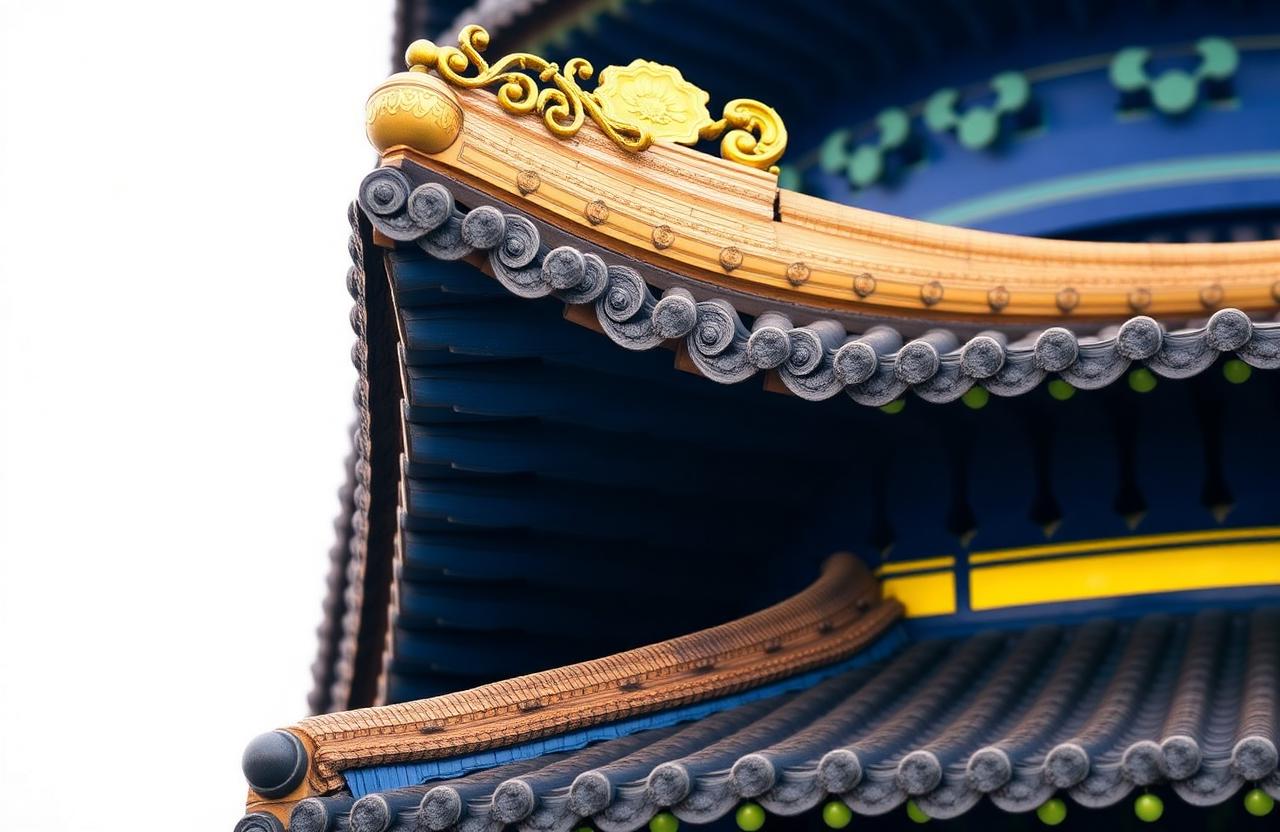
The roof is usually the star of the model and where builders slow down for good reason. The Temple of Heaven roof often uses layered circular geometry, angled segments, and decorative top details — more chances for small misalignments.
- Confirm the top of the hall is fully secure first
- Sort roof parts by shape before assembly
- Build each ring or layer in full before stacking
- Compare opposite sides often
- Support from underneath when pressing down
If the roof is removable, test the fit gently before final placement. A Chinese temple architecture model succeeds or fails visually at the roofline — clean layering matters more than raw speed.
Step 6: Use Section Checks to Avoid Full Rebuilds
Nothing is more frustrating than realizing you made a mistake 40 pages ago. After every major section, stop for a 30-second review. Compare your model to the instruction image from top, front, and side views. Use section checks after completing the base, finishing the stair layout, locking in the main columns, closing the roof support layer, and attaching the final roof tier.
Step 7: Make the Build More Relaxing
Forty-five to ninety minutes is a good session range. Long sessions can lead to eye fatigue and silly mistakes. Keep a "problem tray" for parts you are unsure about, photograph key stages for backtracking and sharing in building communities, and separate decorative extras from your main part pile until the end.
Step 8: Customize Without Hurting the Design
Many builders want to personalize architectural sets. Subtle changes usually look better than heavy redesigns.
- Add a display plaque
- Build a landscaped base border
- Create a mini park setting
- Add lighting beneath the roof edge
- Use a dust-cover base platform
- Include micro-scale visitors for scale
Avoid altering core roof proportions, overloading the platform with extra color, replacing structural parts with decorative pieces, or breaking the original symmetry. The Temple of Heaven works because of restraint.
Step 9: Display the Finished Model the Right Way
A Temple of Heaven model deserves more than a crowded shelf corner. Use eye-level or slightly below eye-level placement, a neutral background, even lighting from the front or side, enough shelf depth to protect stairs and railings, and a low-vibration area. Leave some open space around the model if possible. For more architecture display tips, see our Eiffel Tower display guide.
For dust control, use a soft makeup or camera brush, a low-pressure air blower, or an acrylic display case if you collect seriously. Do not use wet cloths on assembled models.
Why This Build Appeals to Western Hobbyists
The Temple of Heaven sits at the intersection of architecture, travel, history, and design. It has strong display value with a recognizable silhouette, rich color contrast, and a formal shape that reads well on shelves. It is different from common themes like castles, vehicles, or sci-fi ships, and the repetition in platforms, columns, and roof layers creates a calm build rhythm. A well-designed Beijing landmark brick set can become both a personal project and a conversation piece. For builders comparing premium options, see our guide to premium alternative brands.
Common Problems and Fast Fixes
The roof does not sit evenly: Check column height and hidden support connectors below. One misplaced plate can tilt the whole roof.
Stairs do not line up on all sides: Recount step spacing from the centerline. Many errors start with one offset connection near the base edge.
Railings keep popping off: Make sure the platform below is fully pressed down. Loose lower layers create tension in the outer trim.
I have leftover pieces: Small extras are often normal. Compare with the final instruction steps before assuming something is missing.
The model feels fragile when moved: Lift from the base with two hands. Never lift by the roof or upper hall ring.
Final Build Notes. Clean Finish. Better Display.
A Temple of Heaven model rewards careful builders. It is a study in proportion, repetition, and balance. If you slow down at the base, respect symmetry, and treat the roof like a precision stage, the final result looks far better. For builders who want a display piece with cultural depth and architectural presence, a Chinese temple architecture model offers elegance without excess, detail without visual clutter, and a build process that stays engaging from start to finish.
FAQ
Is a Temple of Heaven building block set suitable for beginners?
It depends on the part count and structure. Smaller versions can work for newer builders, but most Temple of Heaven models are better for intermediate or advanced users because of symmetry, layered platforms, and roof detailing.
How long does it take to build a Temple of Heaven model?
A small to medium model may take several hours. A larger display-focused set can take a full weekend or more if you build in relaxed sessions.
What is the hardest part of building a Temple of Heaven model?
The roof is usually the most challenging section. It often includes repeated curved layers, angled pieces, and delicate top details that need careful alignment.
How can I make my finished Temple of Heaven model look better on display?
Use eye-level placement, soft lighting, and a clean background. Leave space around the model so the round roof and raised platform stay visible from multiple angles.
Can I customize a Chinese temple architecture model?
Yes, but subtle upgrades work best. Add a display base, plaque, or light landscaping instead of changing the core shape. This keeps the architectural identity intact.