How to Build a Suzhou Garden Model with Building Blocks
A step-by-step guide to building a Suzhou classical Chinese garden block model — workspace setup, zoning, wall and pavilion craft, rockwork, scenery and display tips for architecture block fans.
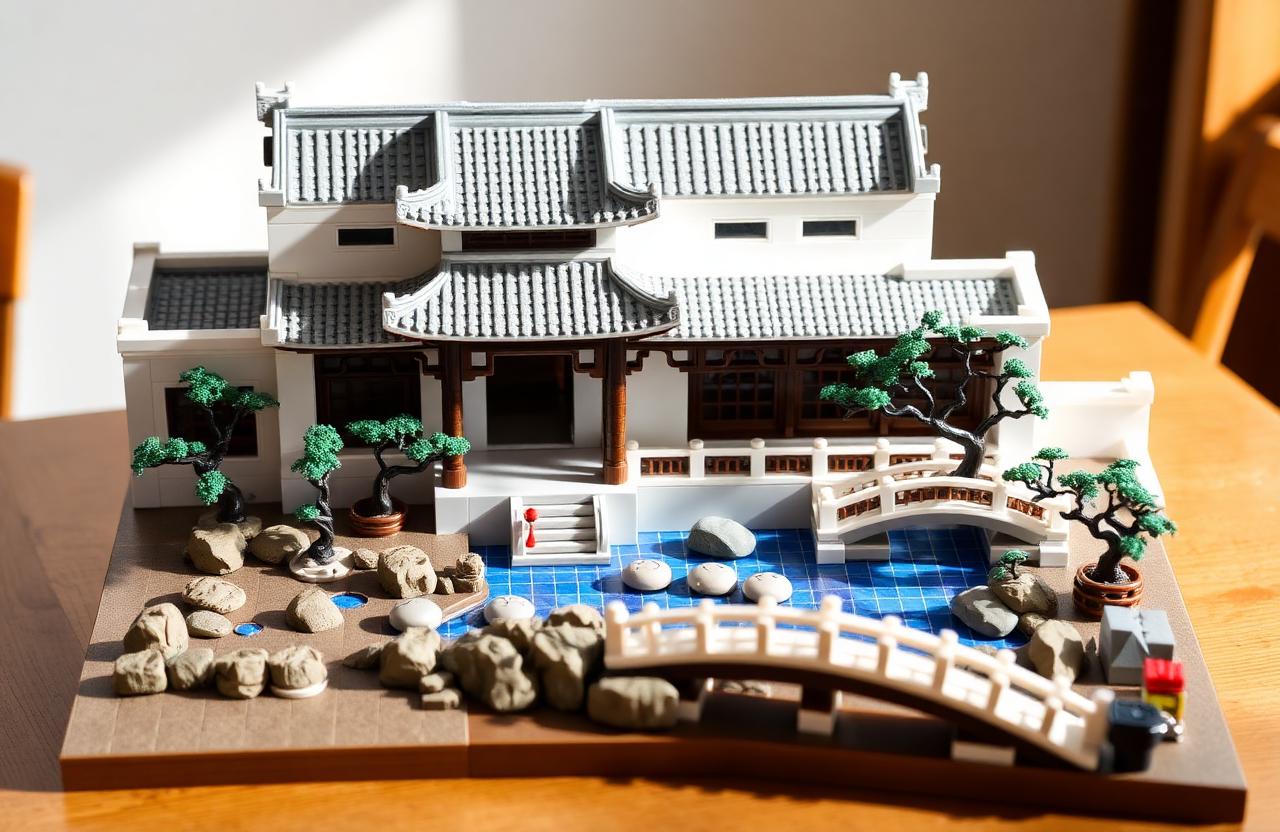
A Suzhou garden model is not built the same way as a tower, vehicle, or mech. Different rhythm. Different logic. More layers of mood, balance, and scene planning. You are not only stacking parts. You are shaping paths, pavilions, water edges, rock forms, and open space. That is what makes a Suzhou garden build so satisfying.
For Western hobbyists, this style offers something rare on the shelf. Less brute scale. More composition. A well-made Suzhou garden building blocks set gives you architecture, landscape design, and cultural detail in one project. It feels technical, but calm. Detailed, but not noisy. Strong display value. Long build life.
This guide shows you how to build a Suzhou garden model step by step, with a focus on planning, section order, visual balance, part handling, customization, and display. If you collect architecture sets or want a fresh project beyond castles and sci-fi, browse our premium brick collection for more architecture-inspired models.
What Makes a Suzhou Garden Build Different
A Suzhou garden is not just one building on a base. It is a designed environment. Traditional Chinese gardens from Suzhou are known for combining structures and nature into one controlled composition. Walls frame views. Windows guide sightlines. Bridges connect zones. Rocks, ponds, trees, and pavilions work together.
Instead of asking "How do I finish the main building fast?" ask how the spaces connect, which angles are meant to be seen first, where the eye rests, which details create depth, and how walls and openings frame the scene. A good Classical Chinese garden brick set rewards builders who pay attention to composition, not just assembly speed.
Before You Start: Build Setup That Saves Time
Do not tear open every bag at once. Do not build on a soft surface. Garden models often use many small decorative parts — sorting matters more here than in bulkier themes.
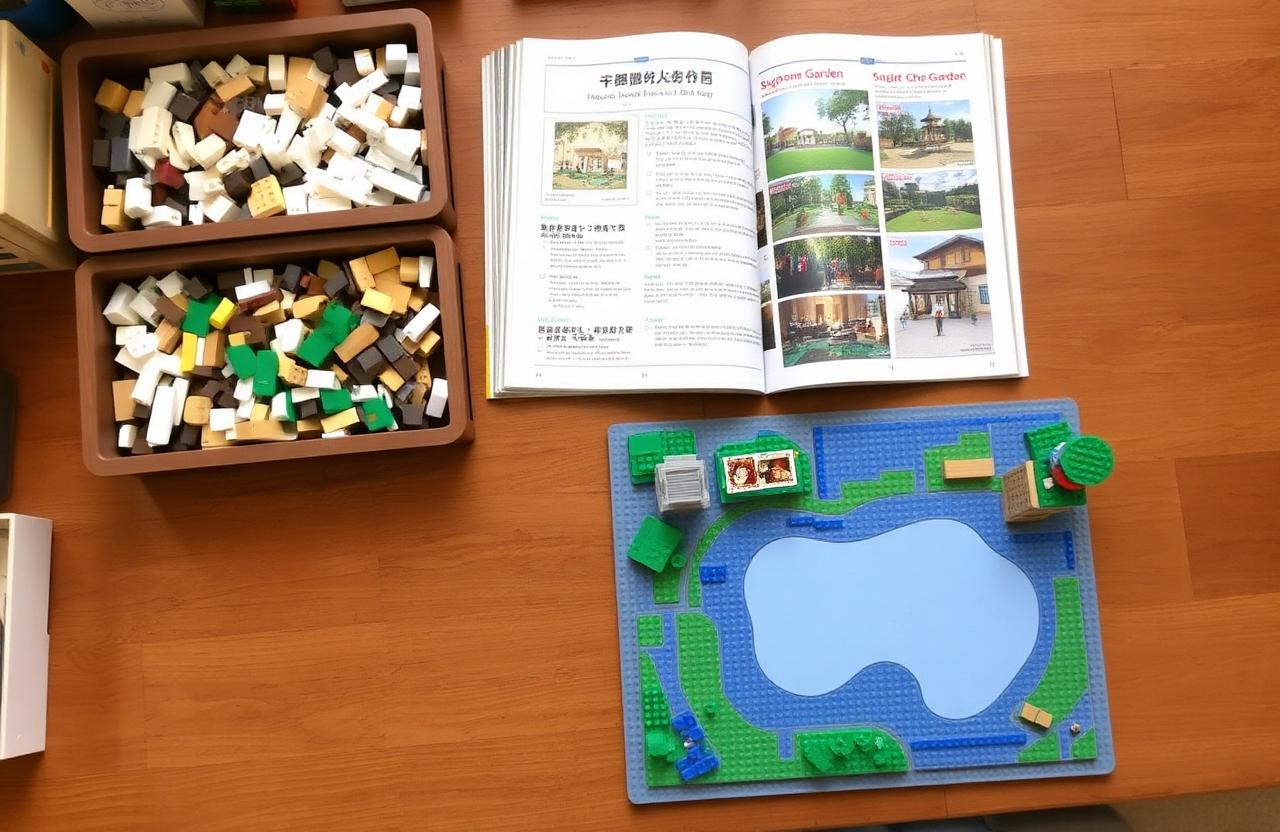
Clear a wide, flat surface
Use a desk or table with room for trays and the instruction booklet. You need space for landscape sections, small wall segments, and loose decorative pieces.
Sort by part type, not only by color
For garden builds, color can fool you. Two tan tiles may look alike but serve different functions. Sort into plates and base elements, tiles and path pieces, clips and connectors, arch and window parts, roof parts, plant pieces, rock and slope pieces, and water-effect elements.
Use good lighting and review the instruction flow
Garden models often use subtle color shifts and tiny trim. Better light means fewer errors. Scan the booklet quickly to see where the model splits into sections — base and terrain, walls and paths, pavilion or hall, bridge or corridor, water and garden details, and final decorative top layer. For more on managing long builds, see our complete adult building block guide.
Understand the Core Structure First
A Suzhou garden model usually works best when you think in zones:
- Foundation and terrain — base, substructure, raised platforms, pond footprint, landscape edges.
- Paths and boundary walls — define movement and visual flow.
- Main architecture — pavilions, halls, moon gates, covered walkways, roofed sections.
- Scenery and finishing details — trees, rocks, lanterns, railing accents, decorative windows, water elements.
A Jiangnan garden building kit depends on harmony between all four zones. If one section becomes too heavy, crooked, or crowded, the finished model loses the calm, layered look that makes this style special.
Step 1: Build the Base Like a Map
The base is not just support. In a garden build, it is the site plan. Every later choice depends on it. Build from the center outward when possible, press large plates down in stages, check edges after each major layer, keep left and right side dimensions matched, and recount studs before attaching mirrored sections.
A Suzhou garden building blocks model often includes open negative space. That means small errors stand out more. In dense builds, extra detail can hide a mistake. In a garden layout, open paths and water surfaces expose it.
Step 2: Mark Paths, Courtyards, and Water Early
Once the foundation is stable, identify the "breathing spaces" first. In traditional Suzhou garden design, empty space is part of the beauty. Lay major path lines, define pond or stream edges, mark courtyard boundaries, and leave decorative plants for later.
Keep tile direction consistent, check transitions between straight and curved sections, leave no half-pressed tile rows, and watch for small color breaks that signal pattern changes. If your set uses blue or transparent pieces for water, test the visual shape from multiple angles before locking every edge.
Step 3: Build Walls and Frames Before Fine Detail
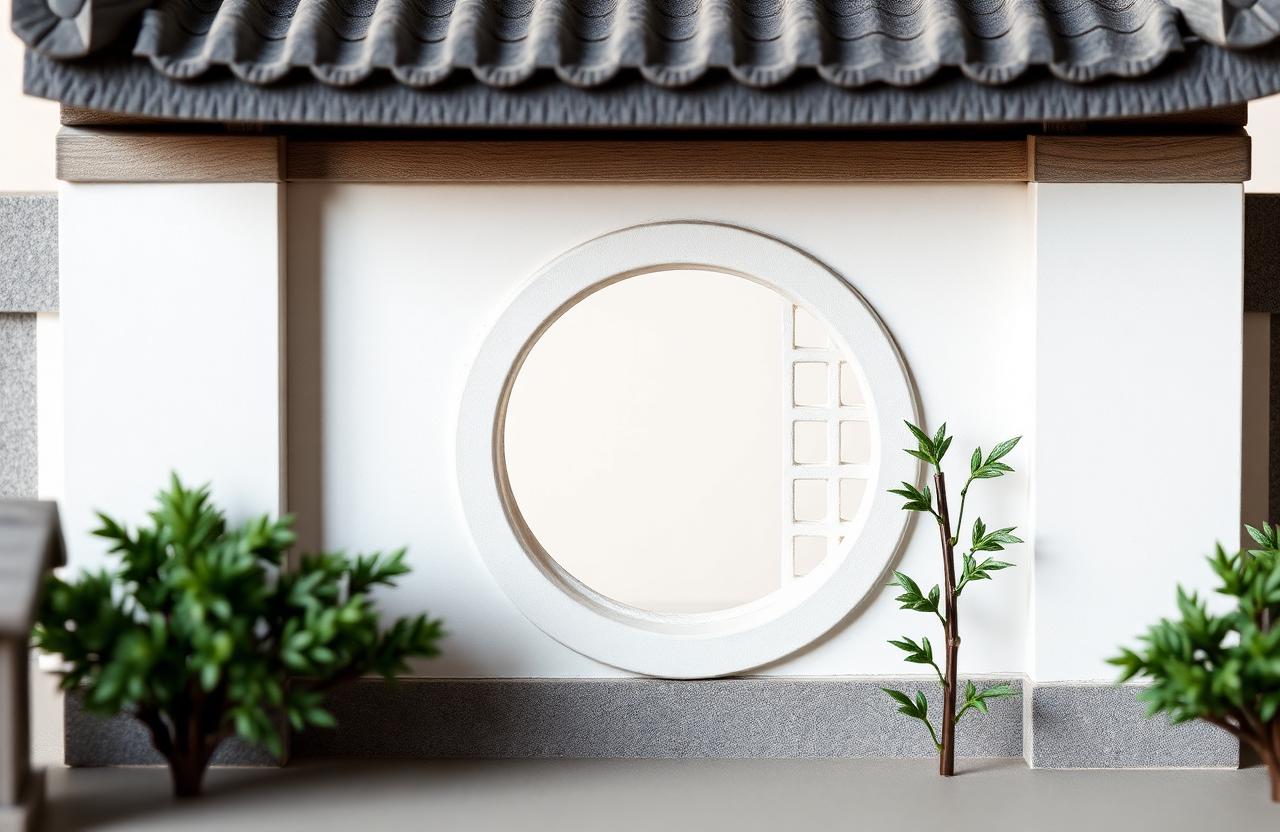
Suzhou gardens rely on enclosure. White walls, circular openings, lattice windows, and framed passages shape how the eye moves. Build perimeter walls, moon gates, window frames, low dividing walls, corridor posts, and stair edges before adding trees, lamps, benches, or ornamental extras.
A well-designed Classical Chinese garden brick set often looks simple at first glance, but many of its hardest alignment points sit in the walls and openings. Check that wall tops are level, arches centered, mirrored panels matched, path lines meeting wall openings cleanly, and decorative window inserts facing the right direction. Take thirty seconds for a check after each wall cluster.
Step 4: Treat the Pavilion as the Visual Anchor
Most Suzhou garden models include one main architectural highlight — a pavilion, hall, waterside room, or covered terrace. This is the anchor of the whole display. Finish the floor completely before adding columns, confirm column spacing before roof work, keep corner posts vertical, add decorative rails only after the main frame is stable, and sort roof parts in advance.
Avoid rushing post placement, mixing left and right roof pieces, attaching trim before support parts, pressing roof layers too hard, and forgetting hidden connectors beneath eaves. A Jiangnan garden building kit usually gains its character from elegant small architecture, not massive walls — the pavilion should feel light, centered, and intentional.
Step 5: Build Rockwork with Restraint
Rock formations are a major feature in classical Chinese gardens. In real Suzhou gardens, scholar's rocks add drama, symbolism, and vertical contrast. In brick form, they can easily become messy without a plan. Group slopes and angled parts into small masses first, then place them in relation to walls, water, and plants.
Vary height but keep the base stable, place taller rocks near visual anchor points, leave open space around special formations, avoid blocking windows and pathways, and blend rock color transitions gradually. The goal is not "more pieces" — it is controlled asymmetry.
Step 6: Add Bridges, Corridors, and Connectors with Precision
Bridges and covered walkways often tie the whole model together. They may look secondary, but they control flow. For bridges, lock each support point before spanning the middle, test fit the bridge deck before final pressure, make sure railings do not bow outward, and view the line from front and side. For covered corridors, confirm post spacing, align roof edges before trim, keep tile patterns consistent along the full run, and support long sections from underneath when moving them.
Step 7: Save Plants and Mini Scenery for the End
Trees, bamboo, flowers, lanterns, benches, signs, and water-edge details should be the final stage. They are easy to break off and they work best when placed in response to the finished structure around them. Cluster plants near corners and edges, leave some open tile space for contrast, do not hide architectural features behind oversized foliage, frame entrances instead of blocking them, and use repeated plant shapes in odd numbers when possible.
Step 8: Check Sightlines, Not Just Stud Connections
A castle looks good from bulk. A vehicle looks good from profile. A garden model must work from many angles. When your build is nearly done, inspect it at eye level from all sides. Does the pavilion dominate too much? Do walls frame, not block? Can you still see the pond shape clearly? Do rock features feel placed, not piled? Is there enough empty space between details? If the model feels crowded, remove one plant cluster, lower one rock group, or shift a lantern — small edits often do more than large rebuilds.
Step 9: Make the Build More Enjoyable for Long Sessions
Build in 45 to 90 minute sessions, keep a soft brush nearby for tile dust, use separate trays for "not yet sure" parts, photograph each completed section, and take breaks before roof or corridor steps. For a family or shared build, split by zone rather than page count — one person handles terrain and paths, another sorts decorative pieces, and you assemble delicate architecture together.
Step 10: Customize Without Breaking the Garden Style
This is not the kind of model that benefits from loud add-ons. The charm comes from proportion and calm detail. Good customization: a name plaque, an extended display border, soft LED lighting under a pavilion roof, a seasonal version with extra blossoms or autumn tones, a raised black stand for shelf contrast, or scale-matched micro-figures. Avoid oversized trees, bright random colors, too many lanterns, crowded accessory piles, heavy redesign of the roofline, or blocking the pond with extra structures.
Display Tips for the Finished Model
Place the model at eye level or slightly below with a neutral wall behind it, front-side lighting, enough depth so bridges and plants are protected, and open space around the model. Use a soft makeup brush, hand air blower, or acrylic case for dust control. Never scrub assembled scenery with a wet cloth. For more architecture display advice, see our Eiffel Tower display guide.
Why Western Builders Enjoy This Theme
A Suzhou garden set offers a break from common product lines. It still feels technical, but the visual language is calmer — different from castles, modular streets, and sci-fi ships. Strong shelf presence without huge size, relaxing build pace, architecture plus landscape in one model, and cultural depth and conversation value. For builders comparing premium options, our guide to premium alternative brands covers what to look for in a quality architecture set.
Common Problems and Fast Fixes
Walls do not line up with the path: Recheck the base layer and count studs from the nearest fixed corner. Most path errors start one row early.
Pavilion roof sits unevenly: Inspect column height and hidden connection plates below the roof. One misplaced plate can tilt the whole structure.
Bridge railings pop loose: Make sure the deck beneath is fully pressed down before attaching trim parts.
Water area looks messy: Rebuild the edge first. Clean water shapes depend on a crisp border, not extra pieces.
The model feels too crowded: Remove one decorative cluster at a time until the open space returns. Gardens need breathing room.
Final Notes: Build Slow. Keep the Scene Balanced.
A Suzhou garden model rewards patience more than speed. The best results come from clean foundations, careful wall placement, restrained scenery, and constant sightline checks. A Classical Chinese garden brick set offers more than structure — it offers atmosphere. A Jiangnan garden building kit brings landscape logic into the building process. And a finished Suzhou garden building blocks model can hold attention on a shelf long after the final piece clicks into place.
FAQ
Is a Suzhou garden building block set good for beginners?
Some smaller sets can work for beginners, but most are better for intermediate builders. The challenge usually comes from small decorative parts, wall alignment, and layered scenery.
What is the hardest part of building a classical Chinese garden model?
Usually the pavilion roof, wall openings, and scene balance. The model may not be huge, but it needs careful alignment and thoughtful detail placement.
How long does it take to build a Suzhou garden model?
Most medium to large sets take several hours to a full weekend, depending on part count, your pace, and how often you stop for section checks.
Can I customize a Jiangnan garden building kit?
Yes. The safest changes are lighting, display bases, seasonal plants, and name plaques. Avoid major structural changes that break the open garden composition.
How should I display a finished Suzhou garden model?
Place it at eye level with soft front or side light, a neutral background, and enough shelf space to protect delicate plants, bridges, and wall details.