Collectible Chinese Architecture Bricks, Premium Oriental Brick Models & Museum Style Building Blocks: Complete Collector Guide
How to select, build, curate, and display collectible Chinese architecture bricks, premium oriental brick models, and museum-style building blocks for a premium home collection.
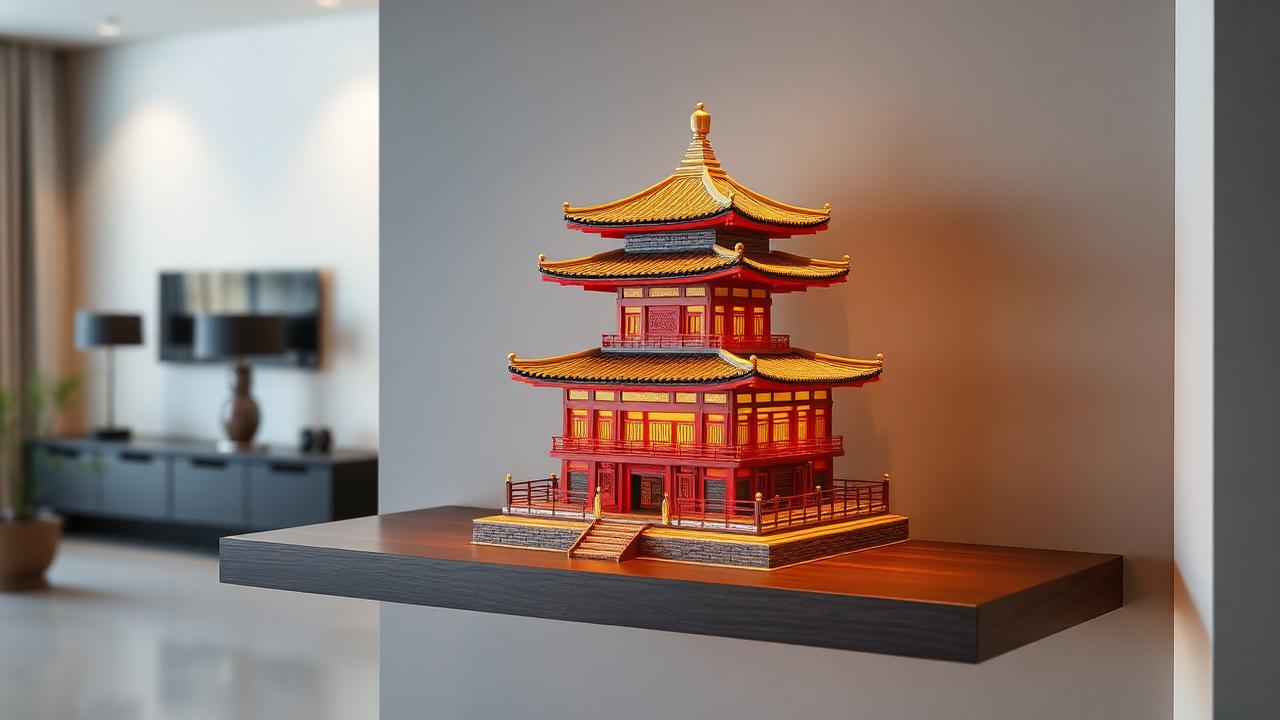
Collectible Chinese architecture bricks belong on a finished shelf, not in a storage bin. High-detail roofs, layered courtyards, temple gates, garden walls, pagodas, tea houses, palace halls, scholar studios and modular streets — display-grade brick architecture has moved beyond casual weekend builds. Adult collectors in the US and Europe now treat these sets as scale models, design objects and long-term collection pieces.
This guide explains how to evaluate quality, select themes, plan display space, style finished models, protect long-term value, and buy with collector discipline. Built for adult hobbyists, design lovers, gift buyers and architecture fans who want brick-compatible alternatives with real shelf presence.
What Makes an Architecture Brick Set Collectible
Piece count is only one data point. A strong architecture model delivers five things: clear design identity, stable structure, advanced building techniques, display-ready proportions, and long-term collection fit. A 1,600-piece garden pavilion with layered roof geometry can feel more premium than a 3,000-piece blocky building.
Core Collector Signals
- Defined architectural type: pagoda, temple, palace, garden, tower, gate, teahouse
- Controlled color palette and strong roofline
- Finished rear and side views
- No fragile display points
- Repeating patterns with clean alignment
- Printed or well-integrated decorative elements
- Good compatibility with other brick systems
For display-grade alternatives and themed brick architecture, review our complete product catalog before building your next premium shelf plan.
How to Choose Collectible Chinese Architecture Bricks
Start with the final display location, then choose the set — not the other way around. Western homes often have limited shelf depth, so measure first.
Step 1: Define the Collection Format
- Single hero model — living room, office; large palace, pagoda, or temple.
- Shelf series — bookcase or cabinet; multiple medium architecture sets.
- Cultural district — dedicated table layout; gates, shops, gardens, streets.
- Minimal display — modern interiors; monochrome or low-color architecture.
- Gift display — first-time collector; 800–1,800 piece premium model.
Step 2: Choose by Architectural Category
Strong categories include imperial architecture, classical gardens, religious buildings, merchant streets, festival architecture, mountain temples, riverside towns, city gates, scholar studios, and landmark-style display models. Pick one. Build depth.
Step 3: Check the Silhouette
A collectible architecture set must read from across the room. Stand back: is the roofline distinct? Is the main shape balanced? Does the model have a clear front and a finished base? If the outline is weak, the display will be weak.
Step 4: Review the Color System
Premium models use color with discipline. Common East Asian palettes include dark red + tan + black + gold, dark green + white + brown + gray, and white walls + black roof + wood accents. Accent colors should stay below 10–15% of the model.
How to Evaluate Premium Oriental Brick Models

Premium oriental brick models need engineering discipline. Inspect build quality before thinking about display style.
Structural Quality Checklist
- Base does not flex; walls lock with overlapping plates
- Roof sections connect at multiple points
- Tall elements resist wobble; decorative trim stays attached during handling
- Small parts do not carry structural load
- Repeated columns align across levels
- Model can be moved without major disassembly
Roof Engineering
East Asian architecture sets often succeed or fail at the roof. Good roof builds use layered slopes, bracketed eaves, repeated ridge details, corner upturns, hidden support plates, color-blocked trim, and strong centerline symmetry. Reinforce before final display if the roof flexes.
Print, Sticker, or Brick-Built?
Best hierarchy: brick-built pattern, then printed tile, then sticker on flat tile, and finally sticker across multiple parts (avoid). Avoid sticker placement across curved or multi-part surfaces.
How to Curate a Premium Architecture Collection
Curation turns separate sets into a collection. Pick one display logic — imperial line, garden line, urban heritage line, or landmark line — and use it as a buying filter. If a new set does not fit, skip it.
Control Scale
Scale mismatch kills display quality. Use three rules: same shelf = similar scale; same row = similar base depth; same scene = same figure logic. If one model is micro-scale, give it a separate plinth.
Use Negative Space
Premium display needs air. Leave 5–10 cm between medium models, 10–20 cm around hero models, 5 cm behind for light and dust access, and 8–15 cm above rooflines. Crowded shelves look like storage; spaced shelves look curated.
How to Style Museum Style Building Blocks at Home

Museum style building blocks need museum-style thinking — clean presentation, lighting, spacing and protection.
Display Surface
Best options: glass display cabinet, floating wall shelf, low console table, built-in bookcase, acrylic display case, or studio shelf with LED lighting. Avoid open shelves near kitchens — grease and dust combine fast.
Plinths, Risers and Labels
Use matte black acrylic, white MDF, natural oak, or walnut plinths. Stagger heights with risers. Small label cards (model name, piece count, build year, theme line) make the collection feel intentional — keep them under 5 cm tall so the model stays primary.
Lighting Control
Use 2700K–3000K warm white LEDs hidden at the cabinet front-top, with small puck lights for hero models. Traditional Chinese builds usually look better under warm light. Controlled light beats more light. Compare themes and shelf-friendly layouts in our adult building block collection.
How to Build for a Premium Finish
A premium finish starts during assembly. Rushed builds show — misaligned tiles, fingerprints on clear parts, crooked stickers, and stressed plates all reduce display value. See our master adult building block guide for full workflow strategies.
Sort, Build Flat, Align
Sort by part type (plates, slopes, tiles, brackets, modified bricks, transparent parts, decorative parts). Build on a flat surface with overhead light. Watch alignment of columns, window grids, roof slopes, stair tiles, wall panels and railings — small misalignments become obvious under display lighting.
Stickers and Photography
If instructions allow, apply stickers after subassemblies are complete. Use tweezers, align one edge, lower slowly and press center outward. Photograph front, rear, sides, top and detail close-ups before the model enters the cabinet.
How to Buy for Long-Term Collection Value
Not every premium-looking set deserves collection space. Use a 10-question buyer filter: theme fit, shelf dimensions, scale, roofline strength, standalone presence, color control, advanced techniques, finished rear, 3+ year display potential, and full-price interest.
Gift Buyer Notes
- 800–1,500 PCS: manageable premium gift
- 1,500–2,500 PCS: strong adult build
- 2,500 PCS+: serious collector project
Buy the best fit, not the largest set. For broader brand context, see our guide to non-LEGO alternative brands.
How to Arrange a Premium Shelf
The 3-Point Display Rule
Use three focal points: a main model (e.g. 5-tier pagoda), a secondary model (garden pavilion), and a low visual anchor (stone bridge or small gate). Place tall models toward the rear, mid-size models slightly forward, and small accessories near the front edge.
Color Blocking and Seasonal Rotation
Group red/gold imperial models together, white/black garden models together, and brown/tan merchant buildings together. Collectors with more models than shelf space should rotate seasonally — gardens in spring, festival streets in summer, mountain temples in autumn, palaces and lantern displays in winter.
How to Protect Display-Grade Brick Models
Dust, Sun and Handling
Use a soft makeup brush, camera air blower, microfiber cloth, and detail brush. Avoid wet cleaning. Direct UV exposure fades red, tan, white, dark blue, trans-clear, printed and stickered parts — keep models away from south-facing windows or use UV film and display cases. Always lift from the base or reinforced lower section, never from roof eaves, towers, lantern poles or signboards.
Storage System
Store spare parts in labeled bags, instructions flat, sticker sheets in sleeves, and build photos in folders. Collection management is part of the hobby.
Common Mistakes to Avoid
- Buying without a shelf plan — measure width, depth, height, door clearance and viewing angle first.
- Mixing too many themes — one shelf, one story.
- Ignoring the rear view — open shelves expose unfinished backs.
- Over-lighting — too many LEDs make models look like toy shop windows.
- Treating collectibles like temporary builds — track build date, parts and modifications.
Frequently Asked Questions
Q: What are collectible Chinese architecture bricks?
A: Brick-compatible building sets focused on Chinese architectural forms such as pagodas, temples, palace halls, garden pavilions, gates and historic-style streets. Collectors choose them for build quality, display value and long-term shelf appeal.
Q: How do I know if a premium architecture brick model is display-grade?
A: Check the roof structure, base stability, color control, finished side views and overall silhouette. A display-grade model should look strong from across the room and stay stable during normal handling and dusting.
Q: Are premium oriental brick models good gifts for adult builders?
A: Yes. For gifts, choose 800–2,500 PCS unless the recipient already builds large expert-level sets.
Q: How should I display museum style building blocks at home?
A: Use a clean shelf, cabinet or plinth with warm lighting, leave space around the model, and avoid busy backgrounds. Add small labels and clearance around rooflines.
Q: Should I customize collectible architecture brick sets?
A: Yes, if changes are stable and reversible. Good upgrades include lighting, plinths, courtyard details, stronger roof supports and small interior additions. Keep original parts labeled.