Chinese Tea House Building Blocks, Ancient Chinese Street Blocks & Chinese Temple Building Toys: Selection, Build & Display Guide
Step-by-step technical guide to selecting, building, illuminating, and displaying Chinese tea house building blocks, ancient street blocks, and temple brick sets.

Chinese architectural brick models demand strict construction protocols and precise display configurations. These are high-piece-count kits utilizing advanced SNOT (Studs Not On Top) techniques, specialized recolored elements, and modular baseplate systems.
This technical guide outlines exact procedures for selecting, constructing, illuminating, and integrating Chinese tea house building blocks, ancient Chinese street blocks, and Chinese temple building toys into modern display environments.
Kit Selection By Architectural Specification
Category A: Multi-Level Commercial Structures
- Model Type: Chinese tea house building blocks
- Piece Count: 1800–2400 PCS
- Footprint: 32x32 stud baseplate (25cm x 25cm).
- Core Mechanics: Removable floor sections, micro-hinge doors, trans-clear window lattice assemblies.
- Builder: Intermediate.
Category B: Modular Dioramas
- Model Type: Ancient Chinese street blocks
- Piece Count: 2500–4000 PCS
- Footprint: 48x48 stud or dual 32x32 plates.
- Core Mechanics: Technic-pin lateral connections, offset cobblestone tiling, dense minifigure integration.
- Builder: Expert.
Category C: Heritage Architecture
- Model Type: Chinese temple building toys
- Piece Count: 3000+ PCS
- Core Mechanics: Dougong bracket simulation, ball-joint sloped roofs, brick-built column supports.
- Builder: Advanced — requires reinforced shelving for weight.
View structural data in our complete catalog of architectural model kits to match your display parameters.
Workspace Preparation And Sorting Mechanics
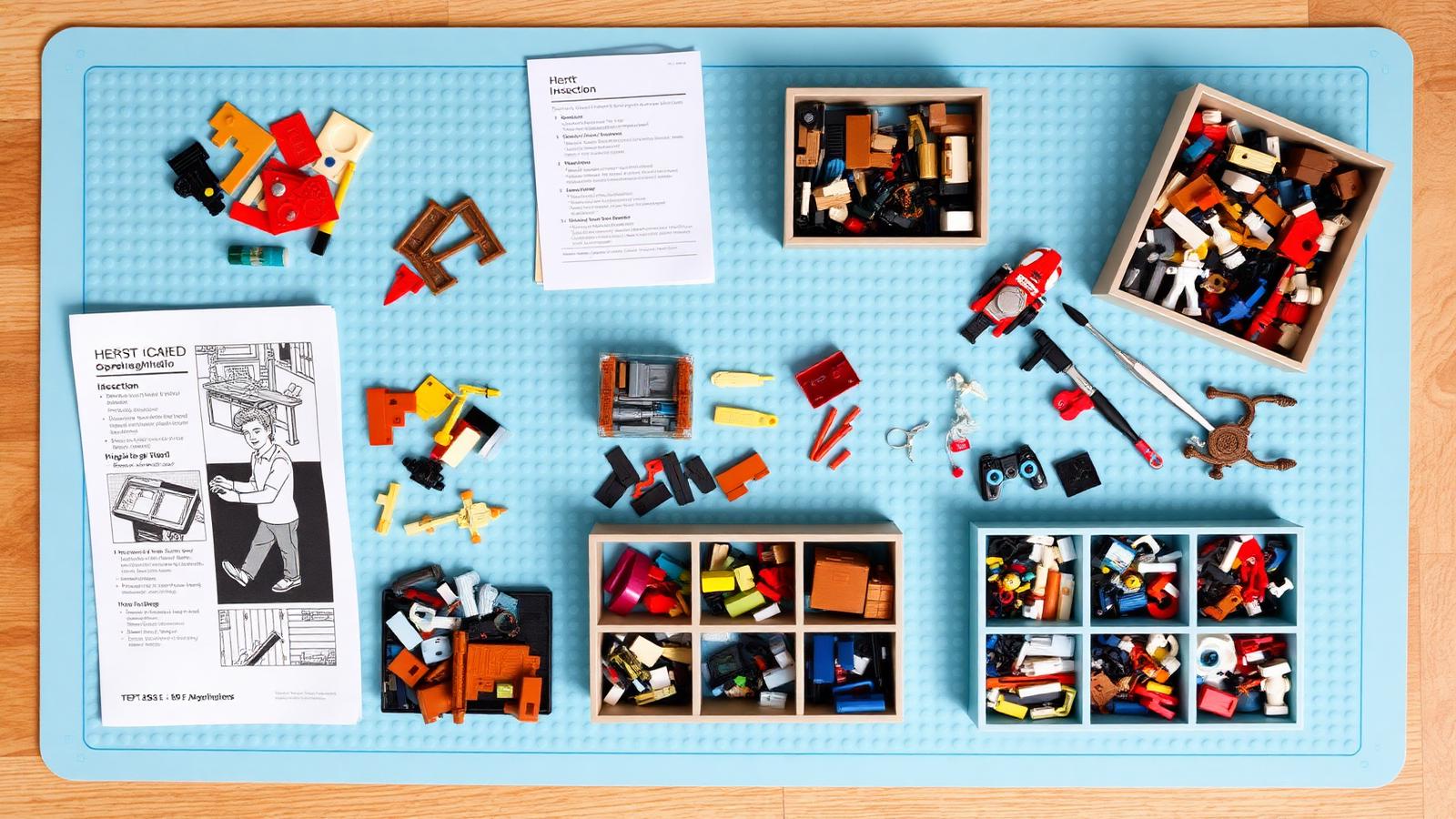
- Surface Area: Minimum 120cm x 60cm rigid surface.
- Lighting: 5000K LED overhead — differentiates dark bluish-grey from black.
- Mat: Pale blue silicone build mat for contrast and roll-off prevention.
- Numbered Bag Protocol: Only open the bag for the active phase.
- Knolling Technique: Arrange elements in parallel rows by geometry and color.
- Hardware Trays: 24-compartment trays for 1x1 elements (cheese slopes, tiles, clips, jumpers).
- Bulk Containers: Isolate 2x4, 2x6, and larger structural plates.
- Technic Separation: Isolate friction pins (black/blue) from frictionless pins (grey/tan).
Technical Construction Procedures
Clutch Power Management
- Press with even downward force.
- Use a rigid 2x4 brick as a spacer for baseplate leveling.
- Never force misaligned interlocking plates — disassemble and re-seat.
Advanced Techniques And STEM Application
- Structural Engineering: Overlapping plates increase tensile strength — avoid stacking seams.
- SNOT Integration: Brackets and modified bricks create inverted textures for eaves and archways.
- Workload Distribution: Adults handle foundational plates and load-bearing columns; secondary builders handle plum blossoms, bamboo foliage, and 1x1 tile mosaics.
For broader workflow strategy see our master adult building block guide.
Architectural Details And Cultural Elements
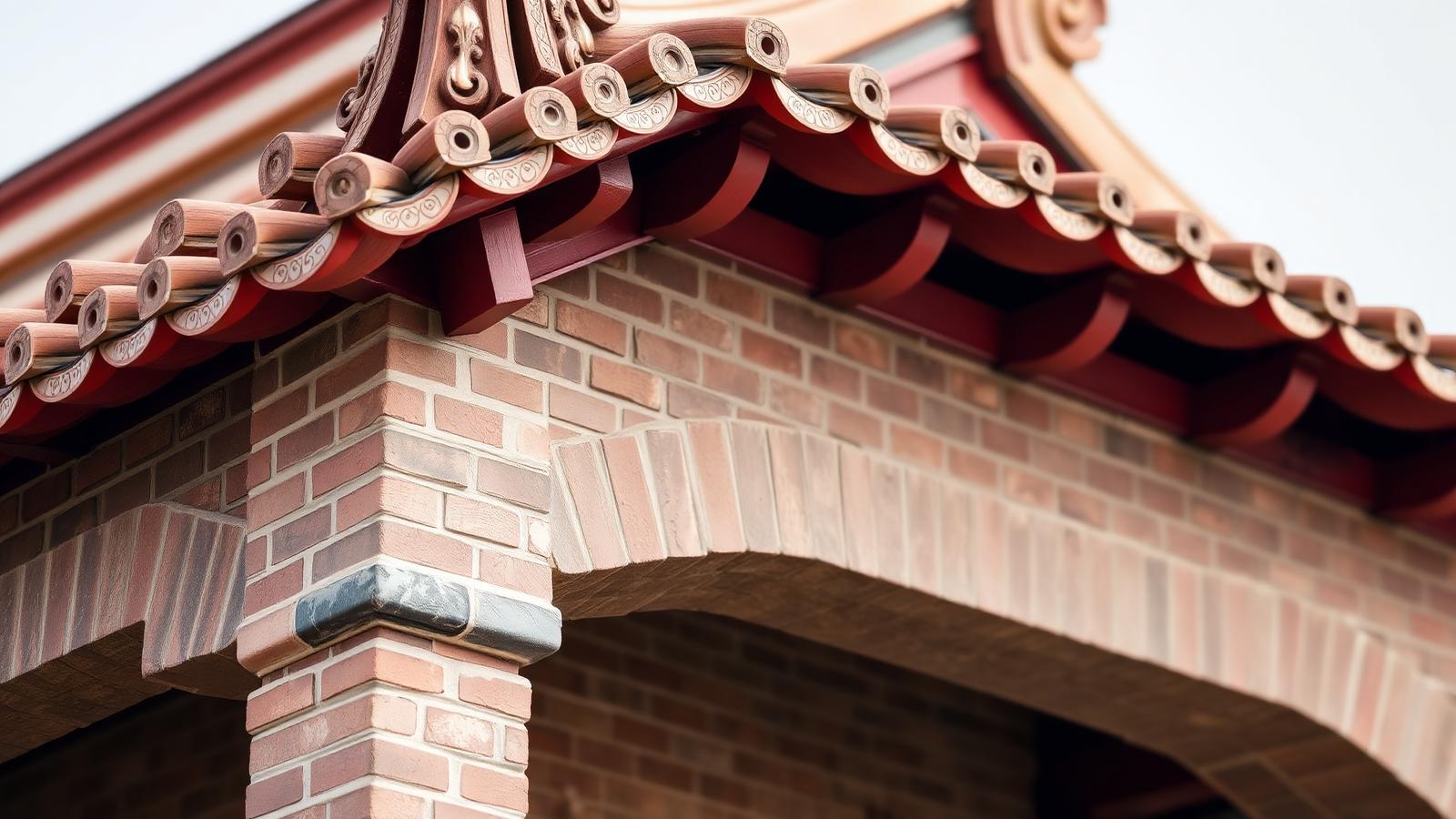
Roof Geometries
- Tapered Eaves: Layered cheese slopes mounted on modified plates.
- Corrugated Tiling: Cylindrical 1x1 bricks laid horizontally across rail-modified 1x2 plates simulate clay tiles.
- Dougong Brackets: 1x1 clips, handles, and jumper plates form the interlocking eave network.
Display Specifications For Western Decor
Minimalist Integration
- Place multi-level structures on isolated end tables.
- Mount street dioramas on dedicated floating shelves (minimum 30cm depth).
- Use matte black or dark walnut surfaces to contrast vibrant red and gold ABS.
UV Light Degradation
Keep models 3 meters from direct window exposure, apply UV-blocking films to windows, and protect against yellowing of white elements and fading of red elements.
Acrylic Enclosures
- Material: 3mm cast acrylic.
- Base: High-density MDF.
- Clearance: 5cm of negative space on all XYZ axes.
Illumination And Lighting Protocols
- Run cables between studs — never press a brick directly onto a wire.
- Leave 2mm slack at hinge points.
- Conceal expansion boards inside hollow architectural bases.
- Power via standard 5V USB banks — never exceed 5V.
- Test all lighting loops at the end of each build stage.
Maintenance And Photography Protocols
Photography Setup
- Lens: 50mm or macro for detailing.
- Lighting: Dual softboxes at 45-degree angles.
- Aperture: f/8 to f/11 for full depth of field.
- Background: Matte grey or black backdrop.
Maintenance Cleaning
Never use liquid solvents. Use a static-free brush for dust and compressed air at 15cm distance for deep crevices.
Sourcing And Guarantees
GUARANTEED COMPLETION: We commit to zero missing pieces. We replace FREE missing or broken pieces on all orders.
LIMITED STOCK! Exclusive architectural models vault rapidly. Browse our adult building block collection, and for alternative brand comparisons see our non-LEGO alternative brands guide.
Frequently Asked Questions
Q: Are these sets compatible with major Western block brands?
A: Yes — standard 5mm stud gauge, 100% compatible with major-brand modular collections and baseplates.
Q: What is the recommended age for architectural street sets?
A: 14+. SNOT techniques, high piece counts, and 1x1 tile sorting require intermediate to advanced endurance.
Q: Do lighting kits come pre-installed?
A: No. Micro-LED routing is a secondary construction phase installed alongside brick assembly.
Q: How do I handle a missing piece during a massive build?
A: Submit the claim via support — we replace FREE missing or broken pieces on all orders. Keep building other sub-assemblies while the replacement is in transit.