How to Capture Cultural Symbolism When Building a Chinese Apothecary Set
A meaning-first guide to building a Chinese apothecary brick model — design philosophy, color storytelling, symbolic structure, and personalization tips.
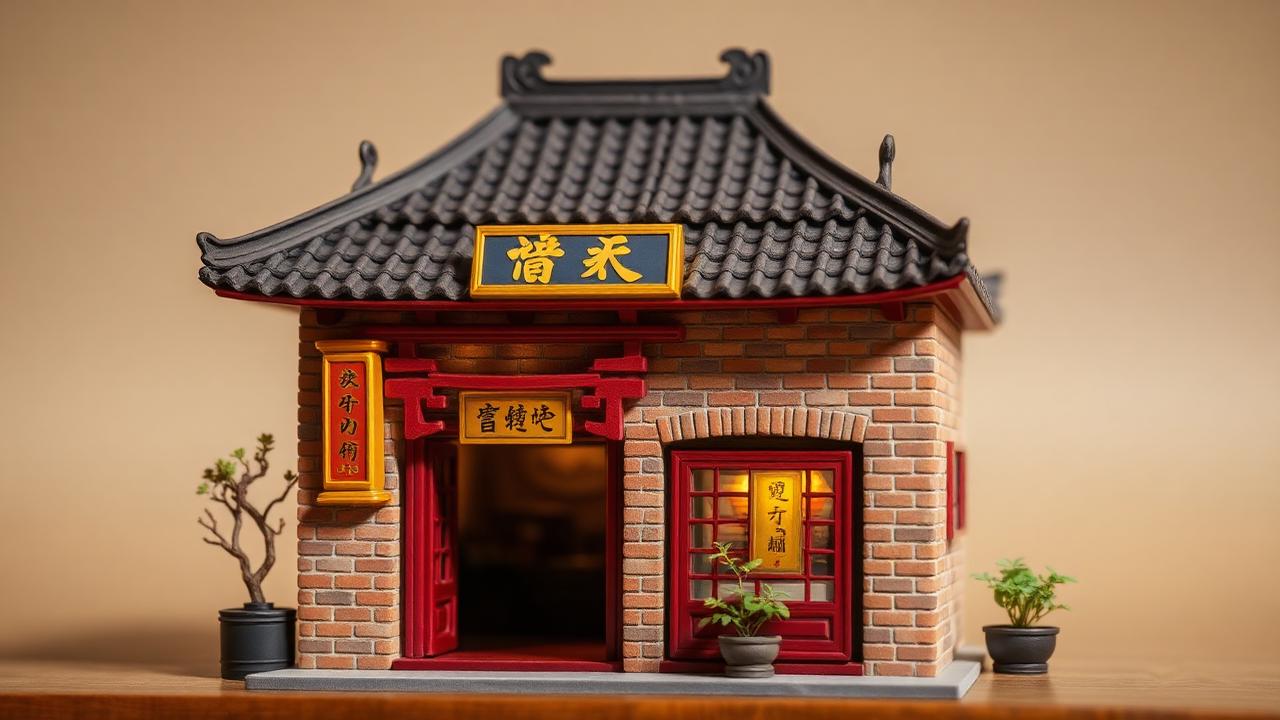
Every brick model tells a story. But some stories run deeper than others. A Chinese apothecary carries centuries of meaning in its color, layout, and small ritual objects. Building one is less about copying a photo and more about translating a philosophy into bricks.
This guide takes a different approach. Instead of a step-by-step assembly list, you'll learn how to design with meaning. Color as language. Space as symbol. Objects as memory. By the end, your Chinese apothecary building set won't just look authentic — it will feel alive with intent.
- The design philosophy behind healing spaces
- Color storytelling and what each shade signals
- Cultural symbolism you can build into structure
- A meaning-first building method
- Personalization through symbolic detail
Design Philosophy First
Traditional healing spaces follow a logic. Nothing sits by accident. The layout reflects a worldview built on balance, flow, and respect for nature. Understand this before you build. It changes every choice you make.
Balance Over Symmetry
Western architecture often chases perfect symmetry. Chinese healing halls chase balance instead. One heavy element pairs with one light. A tall cabinet balances an open counter. A dark beam offsets a bright wall. When you plan your model, think in pairs. Weight against space. Dark against light. This tension creates harmony without rigid mirror-imaging.
Flow and Movement
Healing spaces guide movement. A patient enters, waits, consults, then receives. Your layout should trace this path.
- Entrance: open and welcoming
- Waiting area: calm, seated, sheltered
- Consultation: private, close to the herbalist
- Dispensing: near the drawer wall
Nature at the Center
Herbal medicine draws directly from the natural world. Wood, water, plants, and stone belong in the design. A small courtyard, a potted herb, a wooden beam — each ties the space back to its source. Study the philosophy first, then explore reference builds and modular parts across our product catalog and building blocks for adults hub.
Micro-takeaway: Design the meaning first. Bricks follow intent, not the other way around.
Color Storytelling
Color carries language in Chinese design. Each shade signals something specific. Choose your palette to speak, not just to decorate.
Red: Protection and Vitality
Red guards against harm and signals life force. Use it sparingly and with purpose — door frames and thresholds, hanging banners and signs, lantern accents. Red at the entrance welcomes and protects. Overuse dilutes the meaning, so reserve it for symbolic points.
Wood Brown: Grounding and Trust
Brown roots the space in the earth. It signals stability and the natural origin of the medicine itself — structural beams and posts, the hundred-drawer cabinet, counters and shelving. Layer two brown tones for depth. Reddish brown for beams, dark brown for cabinetry.
Gold: Value and Wisdom
Gold marks what matters. It draws the eye to knowledge and worth — signage lettering, scale details and instruments, cabinet handles and trim. Keep gold precise. A little signals prestige. Too much reads as decoration without meaning.
Green and White: Purity and Growth
Green and white speak to health and cleanliness. Herb jars, plant elements, and clean surfaces carry these tones. Building a Herbal clinic brick model with a disciplined palette makes the difference between a set that looks Asian and one that feels genuinely rooted in the tradition.
Micro-takeaway: Pick five colors. Give each a job. Let the palette speak the culture.
Cultural Symbolism in Structure
Beyond color, the structure itself holds meaning. Build these symbols into your model and it gains a layer most builders miss.
The Threshold
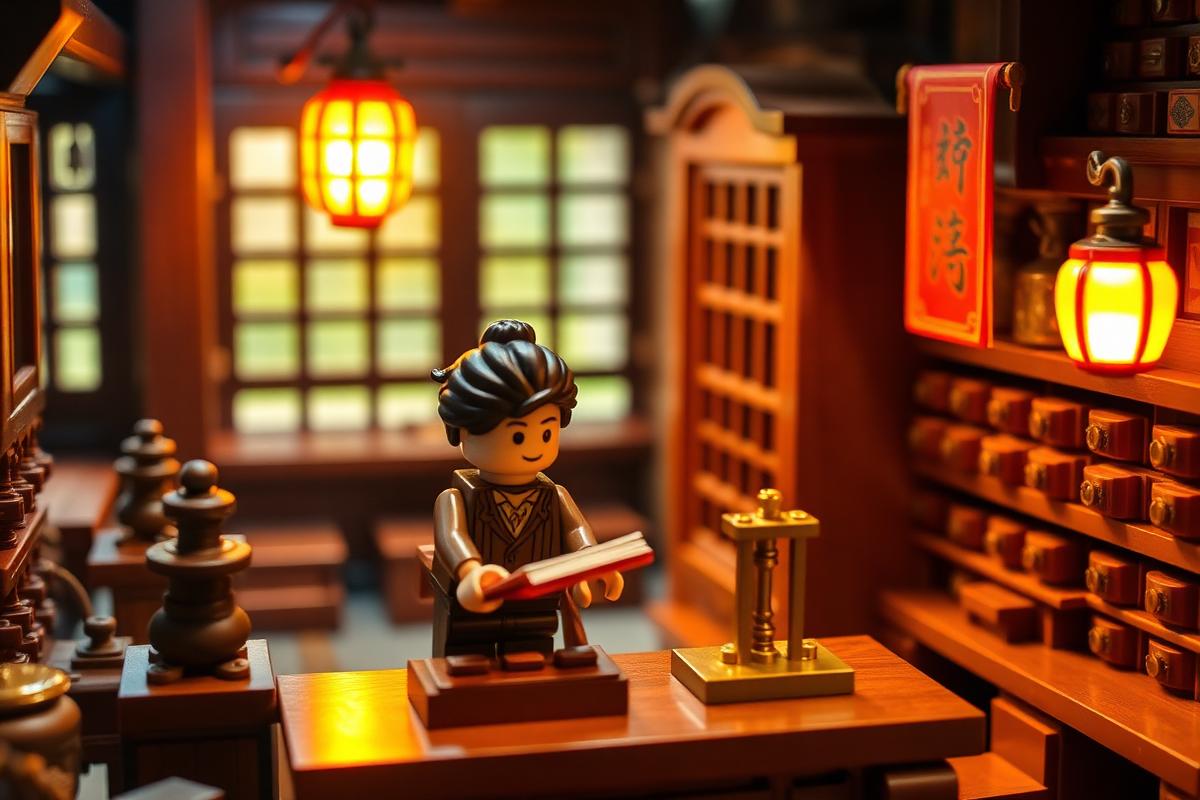
Doorway thresholds in traditional buildings sit raised. This detail keeps out bad fortune and marks the shift from outside to inside. Add a raised plate at your entrance. Small, but rich with meaning. Visitors to your display who know the tradition will notice.
The Central Axis
Important buildings organize around a central line. The most significant element — often the herbalist's station or a shrine shelf — sits on this axis. Plan your model around one strong central point. Draw the eye there. Everything else supports it.
The Hundred Drawers
The drawer wall isn't just storage. It represents knowledge, order, and the vast catalog of natural remedies. Each drawer is a category of healing. Build it tall and dense. The repetition signals depth of knowledge. This wall is the intellectual heart of any Traditional healing center, so give it the space and detail it deserves. For a deeper dive on constructing this wall step-by-step, read our companion guide on the Chinese herbal medicine shop build.
Roof and Sky
Curved eaves connect the building to the heavens in traditional belief. They lift the roofline and soften the structure. At small scale, suggest the curve with stepped slopes. Even a gentle upward angle at the corners reads as intentional and cultural.
Micro-takeaway: Structure speaks. Build the threshold, the axis, and the drawer wall with symbolic weight.
The Meaning-First Building Method
Now build. But build in an order that protects the meaning you've planned.
Start With the Axis
Place your central element first. The herbalist's station or shrine shelf anchors everything. Build outward from this point so nothing pulls focus away from it.
Frame the Flow
Lay out the movement zones next. Entrance, waiting, consultation, dispensing. Use floor color changes to mark each zone without walls. Tan for the public path, darker tan for the work area. This subtle shift guides the eye and honors the flow philosophy.
Raise the Symbolic Walls
Build walls with intent. Frame corners in reddish brown to show the post-and-beam construction. Leave openings for lattice windows — these carry both light and cultural pattern. Lattice screens matter. Their geometric patterns often carry meaning: longevity, luck, or harmony. Choose a grille piece that suggests these repeating shapes.
Build the Drawer Wall
Line the back wall with a tight, even grid of small elements. Consistency signals order and knowledge. Add tiny handles and a decorative cornice on top. This is your intellectual centerpiece. Take your time here.
Place the Ritual Objects
Objects carry memory. Each one earns its place through meaning:
- Brass scale: precision and fairness
- Mortar and pestle: transformation of raw into remedy
- Ledger book: knowledge recorded and passed down
- Tea set: hospitality and care
- Potted herb: living connection to nature
Add the Human Story
Place two figures with intent. An herbalist mid-consultation. A patient listening. This small moment turns a static build into a scene with heart. For more scene-building ideas and modular expansion sets that connect to a full cultural street, explore our full catalog.
Micro-takeaway: Build from the center out. Protect the axis. Let each object earn its meaning.
Personalize Through Symbolic Detail
Seasonal Symbolism
Swap details to mark seasons and festivals — red lanterns and banners for New Year, white chrysanthemums for autumn, fresh green herbs for spring. Each change carries cultural weight, not just decoration.
The Courtyard Addition
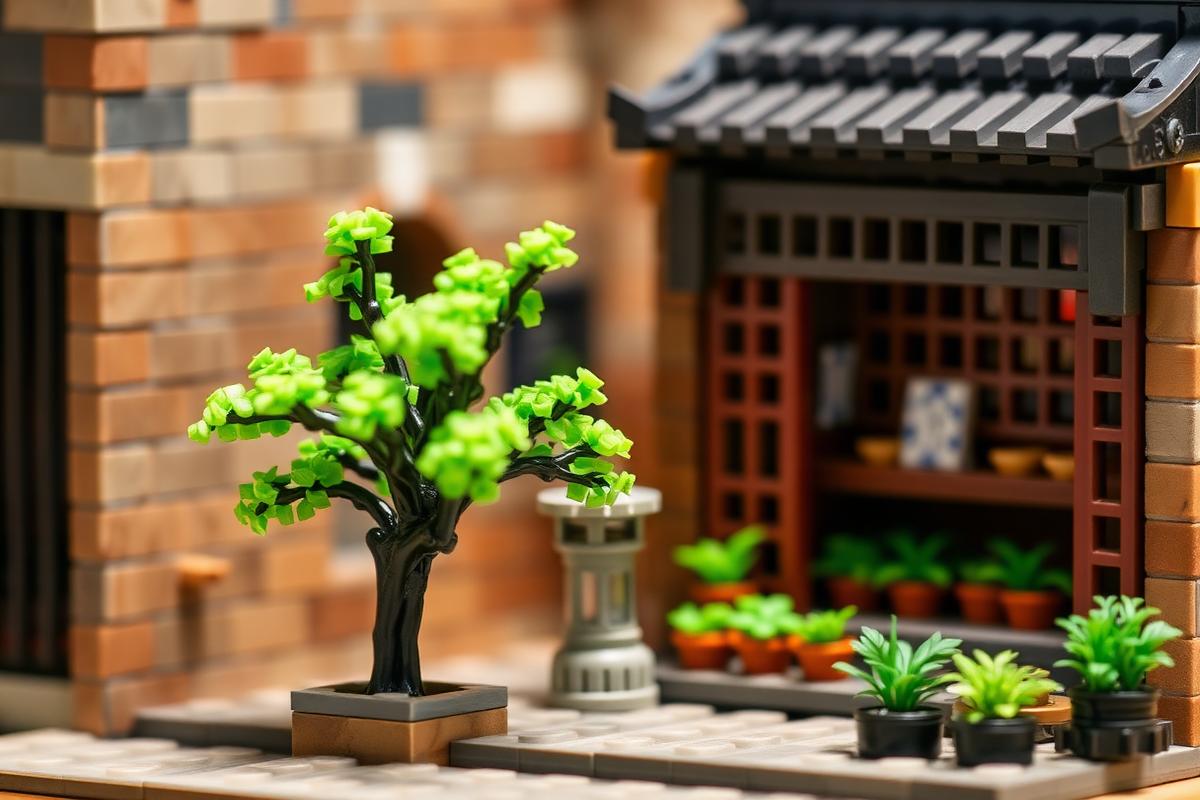
Add a small courtyard with a single tree or water feature. Courtyards represent the meeting of sky and earth. They bring balance and calm to the whole build.
Hidden Meaning
Tuck small symbols into corners. A pair of fish for abundance. A crane for long life. A bat motif for fortune. Fellow builders who know the culture will spot them and appreciate the depth.
Scale Up to a Street
One building tells a story. A street tells a history. Connect your apothecary to a tea house, a scroll shop, and a temple gate. Build on standard modular baseplates so each structure links cleanly. See our companion cultural build guides on the Chinese silk weaving workshop, Chinese embroidery studio, and ancient paper making workshop.
Micro-takeaway: Symbols reward the knowing eye. Build layers of meaning for the community to discover.
Common Symbolic Missteps
Mixing Regional Styles
Japanese, Korean, and Chinese architecture look similar to newcomers but differ in real ways. Roof shapes, colors, and details vary. Pick one tradition and stay consistent.
Decorative Overload
Piling on gold and red kills the meaning. Restraint signals respect and understanding. Let empty space breathe.
Ignoring the Flow
A layout with no logical path feels random. Trace the patient's journey through your build. If the movement makes sense, the space feels real.
Flat Symbolism
Adding a symbol without understanding it shows. Learn what each element means before you place it. Intent reads clearly in a finished model.
Micro-takeaway: Respect beats spectacle. Consistency and restraint signal true understanding.
Display Your Story
Warm Lighting
Add a warm LED brick inside. Soft light through lattice windows casts patterned shadows — an atmospheric touch that echoes the cultural detail you built in.
Eye-Level Angles
Photograph at minifigure eye level. Low angles make the space feel immersive and grand. Capture the threshold, the drawer wall, and the ritual objects up close.
Tell the Story Online
Share your build with the community. Explain the symbolism you chose. Fellow hobbyists love the meaning behind a model as much as the model itself. If you need help sourcing symbolic parts, our support team can help you plan a build kit.
Micro-takeaway: Light the shadows, shoot at eye level, and share the meaning.
Conclusion
Building a Chinese apothecary rewards those who look deeper. Start with philosophy — balance, flow, and nature. Speak through color, where red protects, brown grounds, and gold signals wisdom. Build symbolism into the threshold, the axis, and the hundred-drawer wall. Then build from the center out. Let each ritual object earn its place. Add a human moment. Personalize with seasonal touches, hidden symbols, and a courtyard. Avoid regional mixing and decorative overload. Respect the tradition through restraint. Finish with warm light and share the story behind your work.
Your next step: sketch your central axis, choose your five-color palette, and decide which symbols matter most to you. The healing hall is ready to take shape — one meaningful brick at a time.
Frequently Asked Questions
What makes a Chinese apothecary set different from a generic Asian building?
Cultural specifics. A true Chinese apothecary building set uses the hundred-drawer cabinet, raised thresholds, curved eaves, and a disciplined red-brown-gold palette. Japanese and Korean styles differ in roof shapes, colors, and detail. Pick one tradition and build it consistently for an authentic result.
How do I choose the right colors for cultural accuracy?
Give each color a job. Red for protection at doors and banners. Brown for grounding in beams and cabinetry. Gold for wisdom in signage and instruments. Green and white for purity in jars and plants. Limit yourself to five shades and reserve accent colors for symbolic points only.
Which symbols should I include in my build?
Start with the most meaningful. The raised threshold marks the shift from outside to inside. The central axis anchors the space. The hundred-drawer wall signals knowledge. Add ritual objects like a brass scale, mortar and pestle, and tea set. Each should carry intent, not just fill space.
Is a symbolic build harder than a standard model?
Not harder — just more thoughtful. The construction steps stay the same, but you plan the meaning first. Beginners can build a simple single-room version and add symbolic detail over time. Community guides and shared builds make the cultural learning approachable.
Can I connect this to other cultural building sets?
Yes. Build on standard modular baseplates so your apothecary links to a tea house, scroll shop, or temple gate. A full cultural street tells a richer story and grows into a themed district you can expand over time.