How to Build a Chinese Embroidery Studio with Traditional Craft Building Sets
Step-by-step guide to building a miniature Chinese embroidery studio with bricks — lattice windows, curved eaves, looms, and thread racks that bring a traditional silk workshop to life.
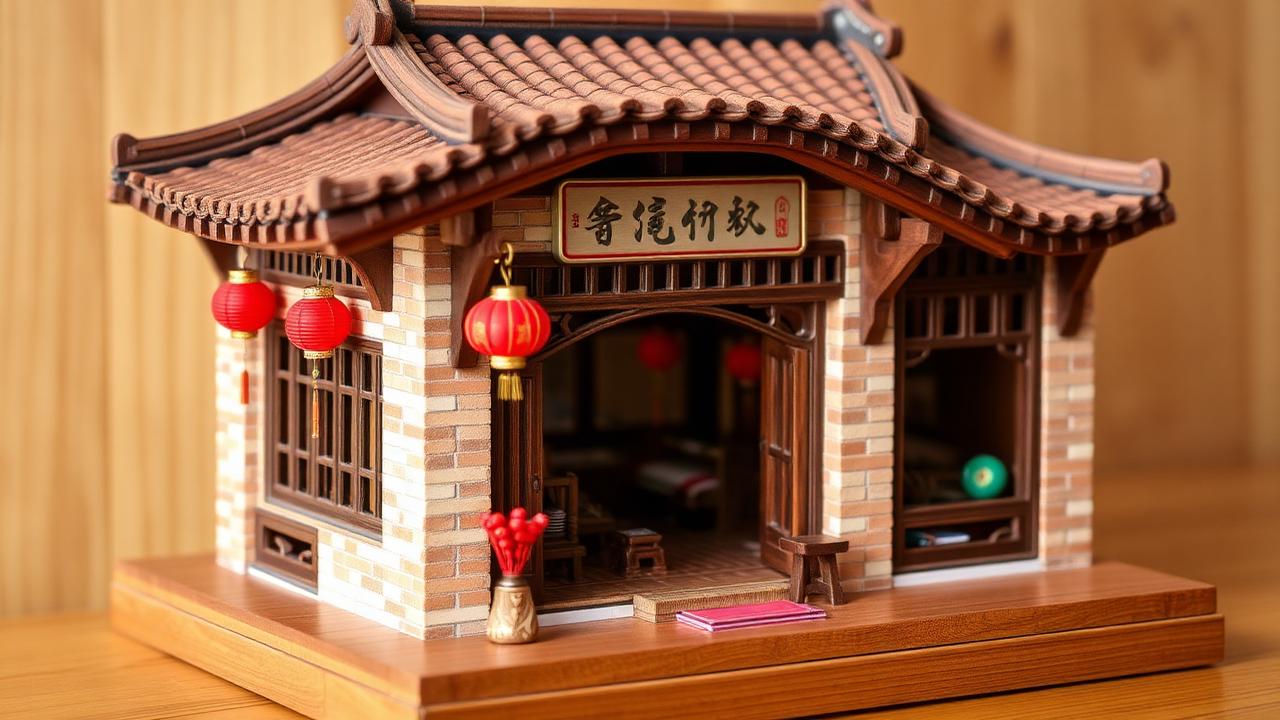
Building a miniature workshop from bricks is one of the most rewarding projects for hobbyists who want more than a standard spaceship or race car. A Chinese embroidery studio brings something different to the table: fine architectural detail, warm color palettes, and a story built into every module. This guide walks you through the full process, from planning your layout to adding the small details that make the model shine.
Whether you build for relaxation, display, or family time, the steps below will help you assemble a piece worth showing off. Let's get to work.
Why a Chinese Embroidery Studio Makes a Great Build
Most builders start with sets that focus on speed or scale. A workshop model is different. It rewards patience and gives you dozens of small assembly moments to enjoy.
- Rich detail. Lattice windows, tiled roofs, and interior furniture give you plenty to assemble.
- Warm display value. The finished model looks great on a shelf, in a study, or on a work desk.
- Storytelling. Each room tells part of a larger story about traditional textile work.
- STEM value for families. Kids learn about symmetry, load-bearing structures, and sequencing while they build.
A Silk craft building set built around this theme also pairs well with other cultural models, letting you grow a full display scene over time. Browse the full range in our product catalog or the adult building blocks collection.
Step 1: Plan Your Layout Before You Open a Bag
Skip this step and you'll regret it later. Good planning saves hours. Start by deciding the footprint of your build. A single-room studio needs a smaller base. A full Traditional weaving house blocks compound may need two or three connected sections. Sketch a simple floor plan on paper. Mark where the walls, doors, and windows will go.
Planning checklist:
- Base plate size and shape
- Number of rooms or sections
- Roof style (single tier or stacked)
- Interior versus exterior focus
- Display orientation (front-facing or 360-degree view)
Sort your pieces by color and size before you begin. Small cups or a divided tray work well. This one habit alone will cut your build time in half.
Step 2: Build a Strong Foundation
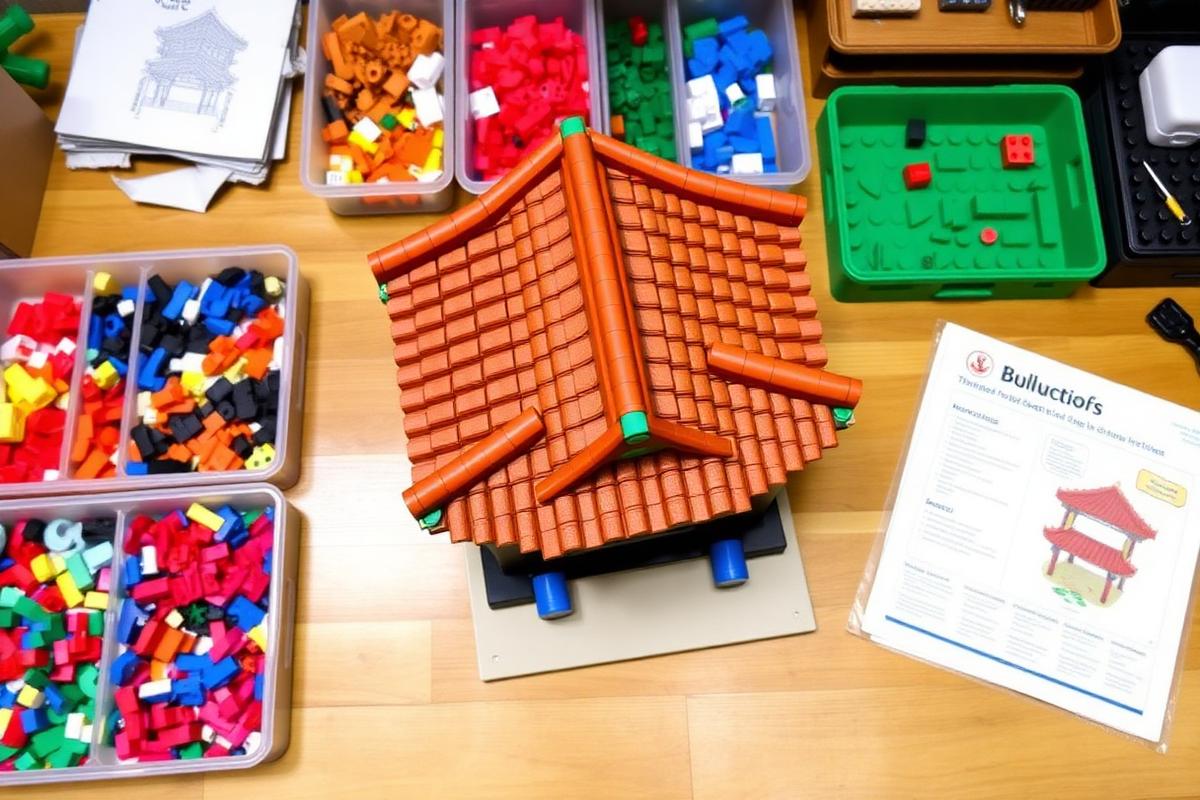
Every good model starts from the ground up. Lay your base plates first. Connect them with overlapping bricks underneath to lock the sections together. This prevents the floor from splitting when you lift or move the finished model.
For a Silk craft building set, the ground floor usually holds the main workroom. Set aside space for looms, thread racks, and a work table. Leave clear pathways so the interior stays open and easy to view from the front.
- Use plates, not single bricks, for the floor layer
- Stagger your bricks like real masonry for strength
- Test-fit large furniture pieces before locking the walls in place
Step 3: Raise the Walls and Frame the Windows
Walls define the character of your studio. Traditional Chinese architecture uses vertical wooden posts, white plaster panels, and dark trim. Recreate this with contrasting brick colors.
Build the walls one section at a time. Add window frames as you go rather than cutting openings later. Lattice windows are a signature feature of a Chinese embroidery studio, so take your time here. Use small clip pieces or grille tiles to mimic the delicate wooden screens.
Keep doorways wide enough to show the interior. For similar cultural builds, see our calligraphy studio guide or the silk weaving workshop guide.
- Corner posts first for alignment
- Base rows of the wall
- Window and door frames
- Upper wall rows
- Decorative trim
Step 4: Add the Roof for Instant Authenticity
The roof is what makes a build read as "Chinese architecture" at a glance. The curved eaves and layered tiles are unmistakable. Start with a flat roof base that spans the walls. Then build up the sloped sections using stacked plates and slope bricks. Angle the corners upward to create the classic sweeping eave. This takes practice, so don't rush it.
For a Traditional weaving house blocks model, a stacked two-tier roof adds height and drama. Use terracotta, dark gray, or deep red tiles to match the traditional look. Ridge decorations along the top edge add a final touch of realism.
- Curved slope bricks for eaves
- Small round tiles along the ridge line
- Corner ornaments or dragon-style caps
- A contrasting trim color to frame the roofline
Step 5: Furnish the Interior
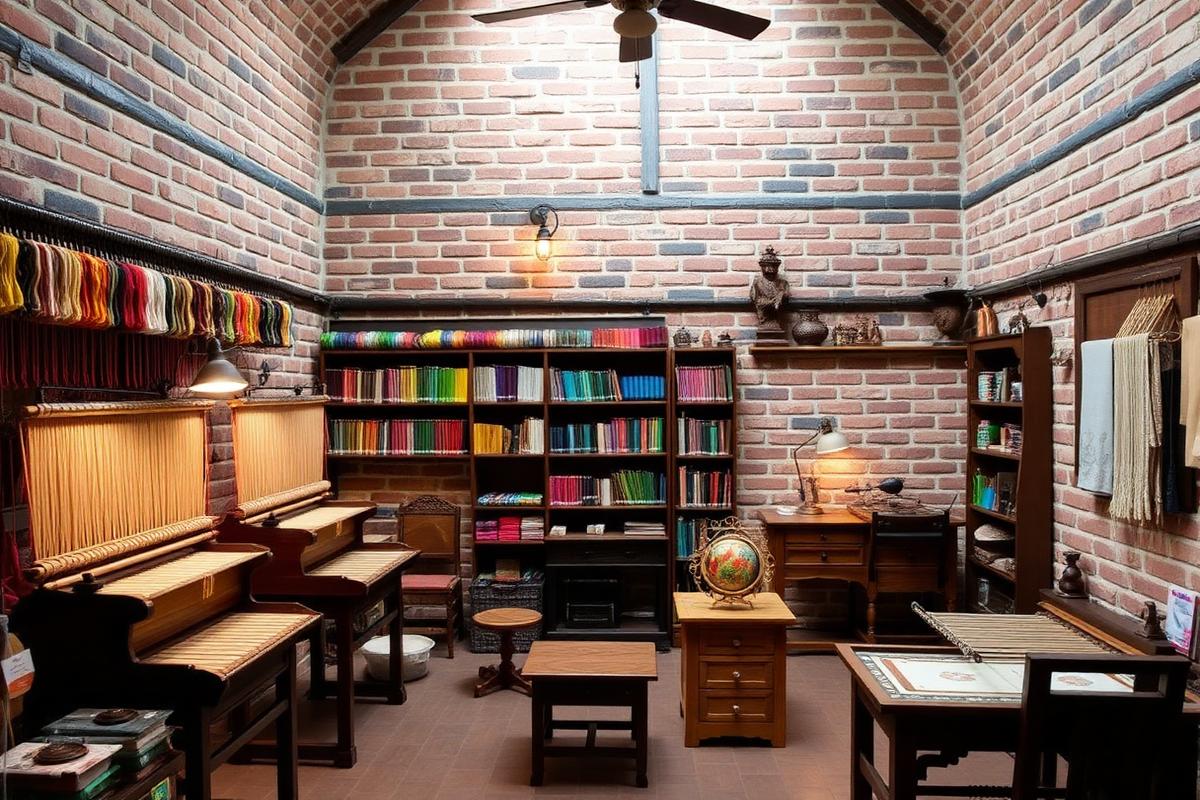
An empty studio feels unfinished. The interior is where your build comes alive. A Silk craft building set should include the tools of the trade. Build small versions of these items:
- Weaving looms with thread strung across the frame
- Thread racks holding spools of colored silk
- Work tables with embroidery hoops and fabric
- Storage shelves for finished pieces
- Seating for the workers
Use printed tile pieces to represent finished embroidery. Small transparent elements can stand in for silk threads catching the light. Add a figure or two if your set includes them — a seated artisan at the loom gives the scene life and scale.
Step 6: Detail the Exterior and Surroundings
The area around the studio matters as much as the building itself. A bare base plate looks incomplete. Add these outdoor elements to complete the scene:
- A stone or wooden courtyard path
- Potted plants or a small garden
- A signboard above the entrance
- Lanterns flanking the doorway
- A low boundary wall or fence
Lanterns are especially effective. Red lantern pieces bring instant color and mark the building as a place of craft and commerce. If your set supports light bricks, a warm glow inside the studio transforms the model after dark.
Step 7: Final Review and Display
Before you call it done, run a full check. Walk around the model and look for gaps, loose pieces, or misaligned tiles.
- All sections locked together tightly
- No visible gaps in the walls or roof
- Furniture secured inside
- Roof eaves symmetrical on both sides
- Base plate clean and complete
Choose a display spot with good light and low dust. A glass case protects the fine details of a Chinese embroidery studio from damage over time. Rotate the model occasionally so all sides get seen. Need help choosing a set? Reach out via our support page.
Tips for Builders of Every Level
For beginners: Start with a single-room version. Focus on getting the walls and roof right before adding complex interior details.
For intermediate builders: Add custom furniture and experiment with the roofline. Try mixing two color schemes to create a weathered, aged look.
For advanced builders: Design your own extensions. Connect multiple Traditional weaving house blocks modules into a full village scene. Add motorized looms or custom lighting for a display piece that draws attention at any show.
Common Mistakes to Avoid
- Skipping the plan. Building without a layout leads to wasted pieces and uneven results.
- Weak foundations. A floor that isn't locked together will fall apart when moved.
- Rushing the roof. The eaves need patience. Fast work here shows in the final look.
- Empty interiors. A hollow studio wastes the model's biggest strength.
- Ignoring symmetry. Traditional architecture relies on balance. Uneven sides break the effect.
Bring Your Build to the Community
Half the fun of building comes after the last brick clicks into place. Share your finished Silk craft building set online. Post photos from multiple angles, note the changes you made, and swap tips with other builders. Explore more inspiration in our porcelain workshop guide and tea ceremony house guide.
Frequently Asked Questions
How long does it take to build a Chinese embroidery studio model?
A single-room studio takes most builders two to four hours. A larger compound with multiple Traditional weaving house blocks sections can take a full weekend. Sorting your pieces first will speed things up considerably.
Are these sets suitable for children?
Yes, with guidance. Kids aged ten and up can handle most of the assembly, especially with a parent nearby. For younger children, an adult should handle the small detail pieces.
Do these building sets work with other major brick brands?
In most cases, yes. A quality Silk craft building set uses standard brick dimensions that connect with pieces from other major systems.
What makes a Chinese embroidery studio different from a standard building set?
The theme centers on fine architectural detail — lattice windows, curved roof eaves, and a furnished interior full of looms and thread racks. The result is a display piece with real character and cultural depth.
Can I display the finished model long-term?
Absolutely. Keep yours in a spot with steady light and low dust, ideally inside a glass case. We also replace FREE missing or broken pieces on all orders so your studio stays complete for years.