How to Build a Chinese Tea Ceremony House with Building Blocks
Build a stunning Chinese tea ceremony house brick by brick — architecture tips, step-by-step techniques, display ideas, and cultural insights.
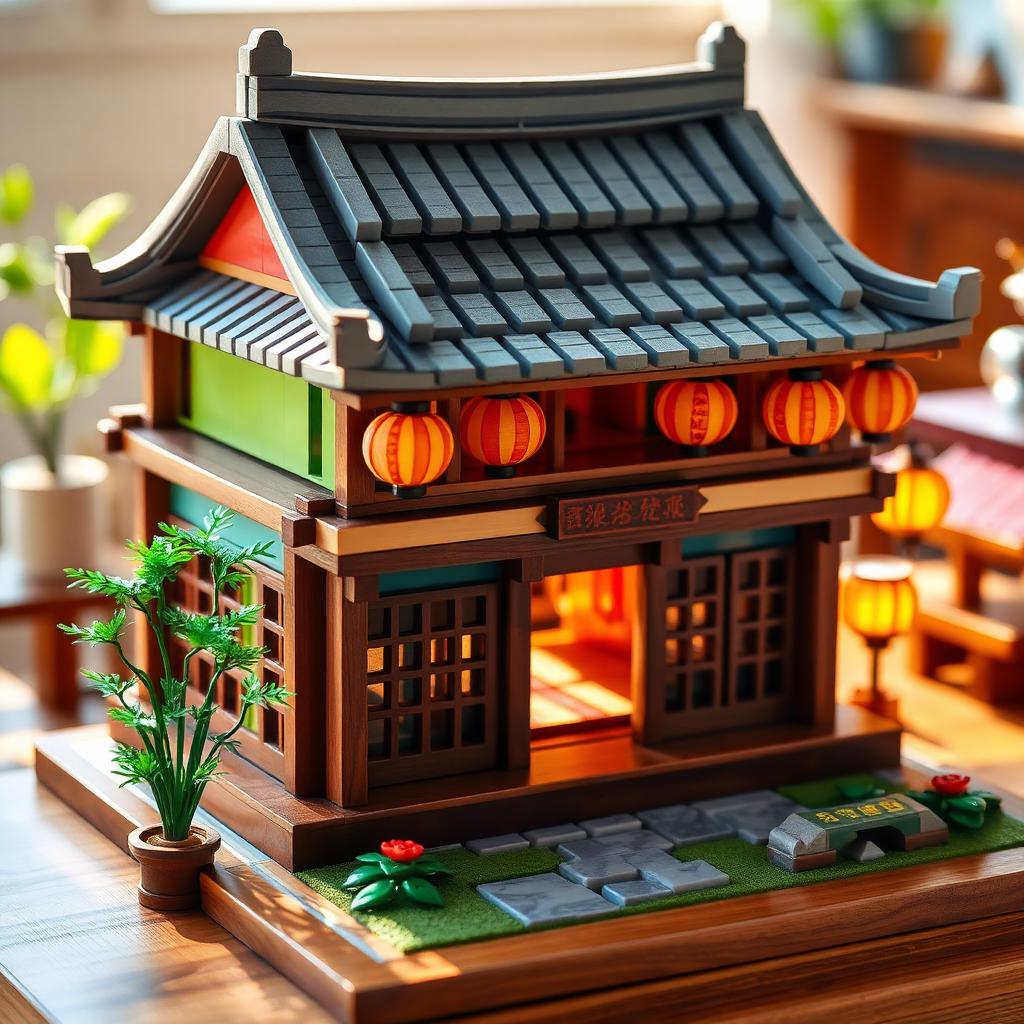
Tea is more than a drink in China. For over 4,000 years it has shaped social rituals, art, philosophy, and architecture. The tea ceremony — gongfu cha — turns a simple cup into a moment of focus, respect, and calm. The buildings where these ceremonies happen are just as meaningful: wooden lattice screens, sloped tile roofs, lantern-lit courtyards, and quiet garden views.
A Chinese tea ceremony house building set lets you study this architecture up close while creating a beautiful shelf piece. This guide walks the whole process — design study, assembly techniques, display, and the educational value for builders across Europe and North America. Explore the full culture-inspired range on the CraftBlockWorld product catalog.
Why a Tea Ceremony House Makes a Great Build
Most large building projects copy castles, spaceships, or modern cities. A tea house is different — it rewards patience and detail.
- Rich detail. Curved roof tiles, wooden beams, paper lanterns, garden elements.
- Balanced challenge. Complex enough for adults, approachable for families.
- Cultural depth. Every part ties to real Chinese tradition.
- Display value. Finished models look stunning under shelf lighting.
A traditional tea pavilion blocks set teaches techniques you'll reuse — angled roof construction, layered facades, natural landscaping. Pair the build with our master adult building block sets guide to plan your collection.
Understanding the Architecture First
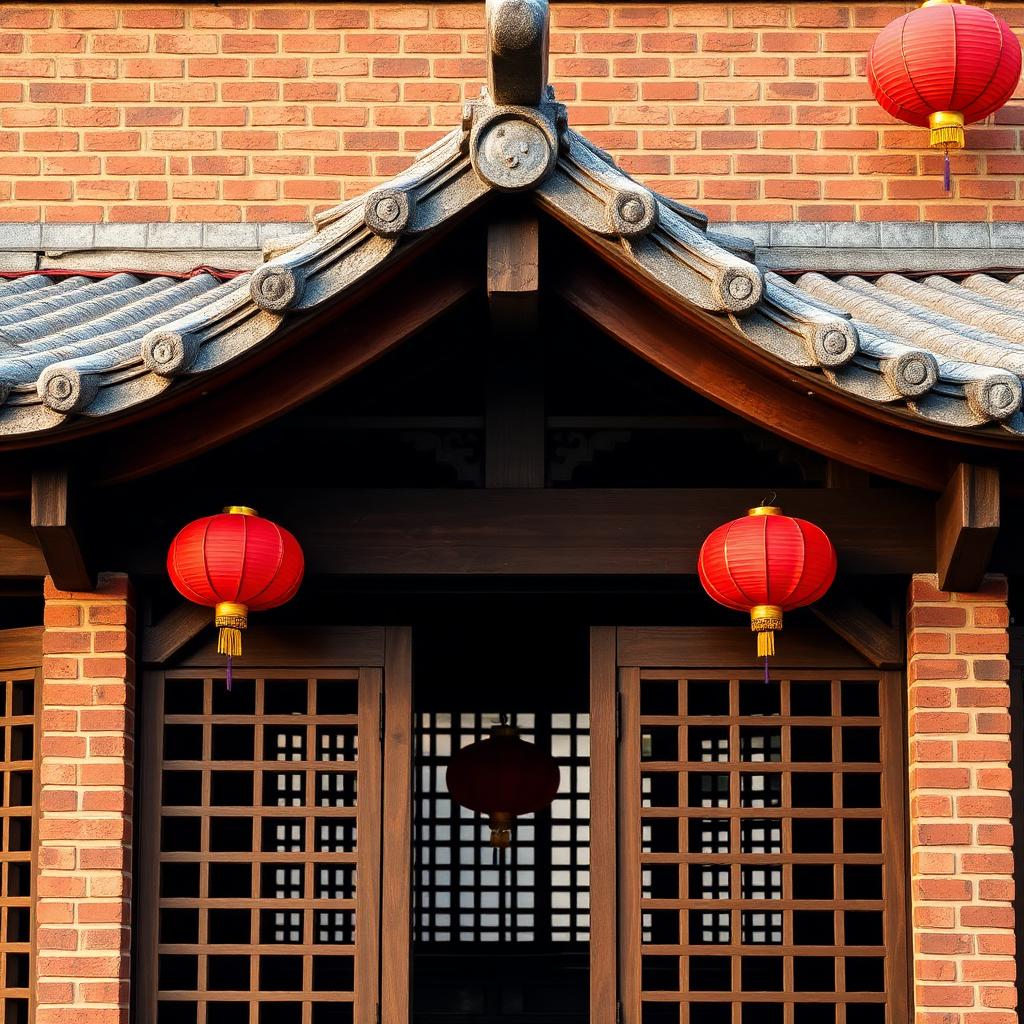
A traditional tea house usually includes:
- Sloped curved roof with dark grey tiles — the signature look.
- Wooden lattice walls with decorative grid patterns.
- Veranda wrapping the structure.
- Courtyard with stone paths, plants, sometimes a koi pond.
- Tea room with low tables and floor seating.
Curved roofs were believed to ward off bad spirits. Symmetry reflects order and peace. Knowing the "why" turns your Tea culture brick model into a small lesson in history and design. The same logic applies to our Forbidden City and ancient market street guides.
Step-by-Step Building Tips and Techniques
Step 1: Sort Your Pieces First
Open every bag and sort by color and size. Keep tiny detail pieces — lantern parts, railing studs, flower elements — in separate cups.
Step 2: Build the Base and Foundation
A solid base prevents wobble in the upper floors. Press every plate down firmly.
Step 3: Construct the Walls and Lattice Work
Lattice walls use small bars, clips, and grille pieces to mimic wooden screens. Master SNOT (Studs Not On Top) — brackets and headlight bricks let you build sideways. Work one wall at a time and check symmetry by laying mirrored panels side by side.
Step 4: Master the Curved Roof
Roof tiles are typically built on hinges or angled plates. Follow the instructions exactly for corner pieces — the upturn depends on precise angles. Add ridge decorations last.
Step 5: Add Garden and Courtyard Details
Place small trees, bamboo stalks, and flowers around the courtyard. Mix tan and grey tiles for a natural stone path. Use transparent blue plates for a pond.
Step 6: Install the Interior
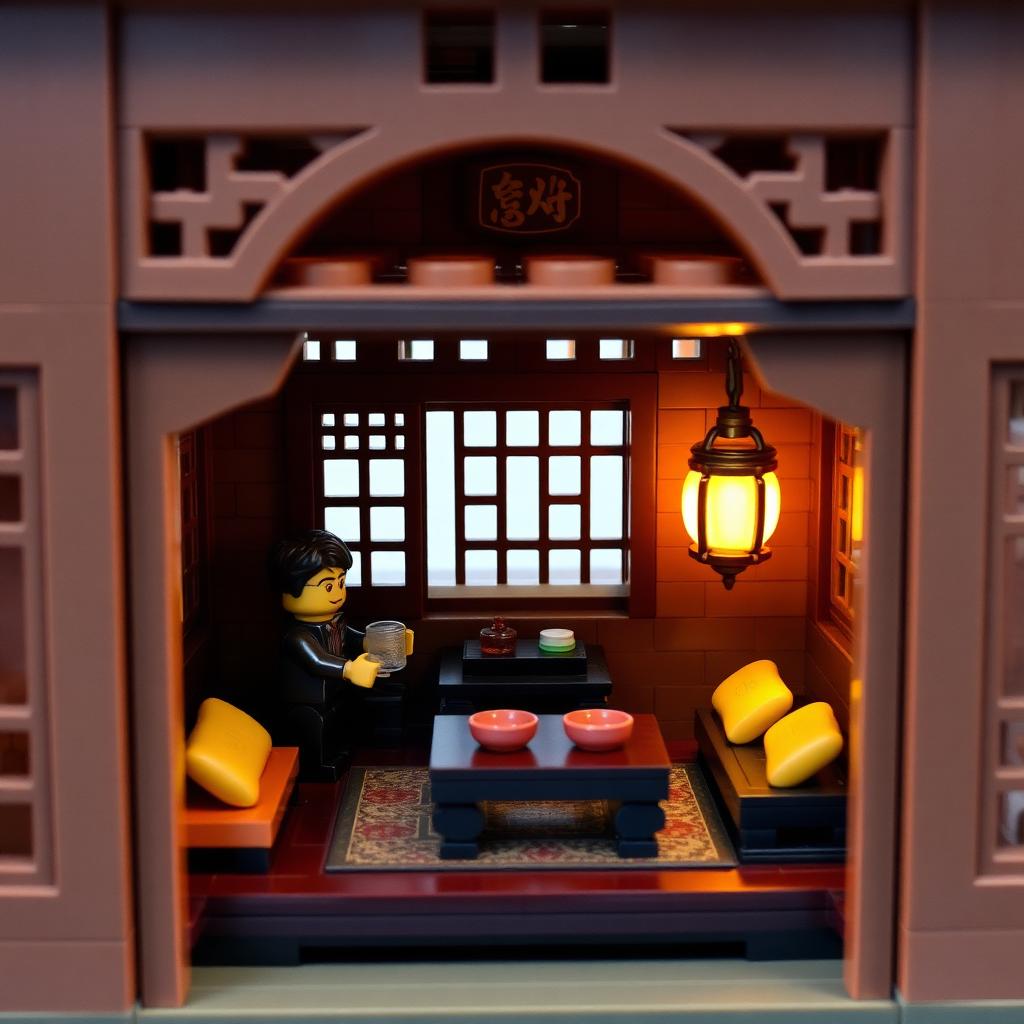
Build the low tea table, cushions, and tea set. Position a host and guest figures to tell a story.
Display and Decoration Advice
Place your model away from direct sunlight — UV fades reds and greens. Add a warm-white LED kit inside the tea room to mimic lantern glow; see our LED lighting integration guide for cable routing tips. Mount on a wooden base, dust with a soft brush, and consider a display case.
Educational Value for Western and European Builders
Building a tea house opens a window into a culture many Western builders haven't explored hands-on. It teaches spatial reasoning, engineering basics, problem-solving, and patience. Families turn playtime into a cultural conversation, and adult collectors gain a story-rich centerpiece. Pair it with the calligraphy studio and tea plantation builds for a full Chinese cultural shelf.
Tips for First-Time Builders
- Don't rush the roof — it's the hardest part.
- Light it before you display it.
- Save the instructions for rebuilds and mods.
- Join a community for tips and inspiration.
Frequently Asked Questions
How long does it take to build a Chinese tea house model?
Small pavilion sets take 2–4 hours. Larger multi-room models with gardens can take 8–12 hours or more.
Is a tea house build suitable for beginners?
Yes with the right set. Smaller models work well for newer builders and older children; larger ones use advanced sideways techniques.
Can I add LED lights to my tea house model?
Absolutely — warm white lights mimic paper lantern glow inside the tea room.
Are these building sets compatible with other major brands?
Most use a standard stud size, so pieces are compatible across major brands.
What makes a tea house a good gift?
It combines cultural learning, creative building, and lasting display value — a thoughtful pick for birthdays, holidays, and milestones.