How to Build and Display a Mythical Beast Sanctuary That Wows
Building a themed block set is more than snapping pieces together. It's world-building. When you construct a **Mythical beast sanctuary**, you're crafting a story you can hold, light, and put on a shelf for years. This guide walks you through the full process, from planning your build to styling it for display and photographing it for your community.
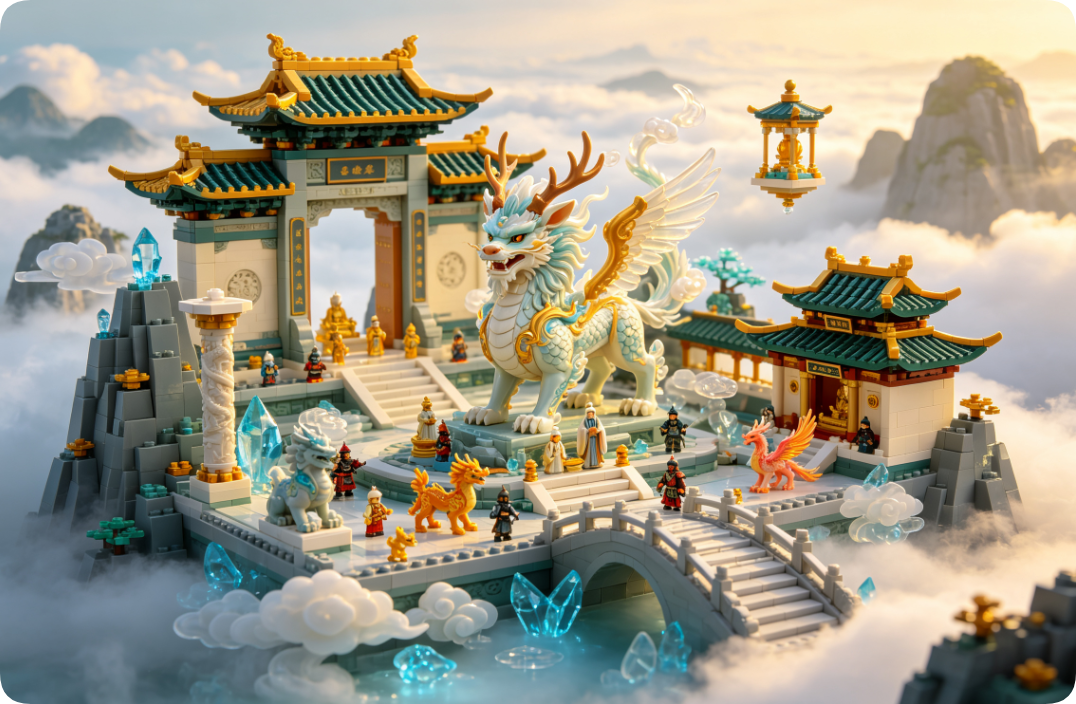
Building a themed block set is more than snapping pieces together. It's world-building. When you construct a Mythical beast sanctuary, you're crafting a story you can hold, light, and put on a shelf for years. This guide walks you through the full process, from planning your build to styling it for display and photographing it for your community.
Here's what you'll get: a step-by-step build framework, collector-grade display tips, and design tricks that make a fantasy set look like a museum piece. Whether you're an adult hobbyist who builds to unwind or a collector chasing that perfect centerpiece, you'll finish this article knowing exactly how to make your creation stand out.
Why Mythical and Chinese-Themed Builds Hit Different
Standard vehicle or city sets are fun, but they rarely tell a story. A dragon guardian curled around a pagoda does. Themed fantasy builds reward patience with detail: layered rooflines, textured stonework, and creatures that seem to breathe.
CraftBlockWorld leans into this. The brand focuses on Fantasy architecture blocks and detailed creature designs rooted in Chinese mythology, so you get sets that challenge your skills while delivering a payoff worth showing off. For adult builders and collectors, that combination of complexity and cultural richness is the whole appeal.
Key takeaway: Themed builds turn a hobby into storytelling. The more narrative your set carries, the more satisfying the build and the display.
Step 1: Plan Your Build Space and Story
Before you open a single bag, set the stage.
Clear a flat surface with good lighting. Themed sets often include hundreds or thousands of small pieces, and losing a translucent dragon scale under a couch is a real risk. A large tray or a silicone mat keeps parts corralled.
Then think about story. Ask yourself:
- Is this sanctuary at peace, or under threat?
- Is your beast a protector, a prisoner, or a ruler?
- What era or region does the architecture suggest?
Step 2: Sort Pieces by Stage, Not Just Color
Most builders dump everything into color piles. For complex fantasy sets, sort by build stage instead.
Open only the bags for the section you're working on. Fantasy architecture blocks sets are usually numbered by phase: foundation, walls, roof, then creatures and details. Sorting this way prevents overwhelm and keeps your workspace clean.
Here's a quick sorting method that works:
- Lay out numbered bags in order.
- Empty one bag into a shallow tray.
- Group by piece type within that bag (plates, tiles, slopes, connectors).
- Build, then move to the next bag.
Step 3: Master the Architecture First
The building or landscape is your foundation, both literally and visually. Get it right before you add the star creature.
Watch your angles. Chinese-inspired architecture relies on sweeping, upturned roof eaves and tiered structures. These curves are usually built with hinged plates or bracket pieces. Take your time seating each connection fully. A roofline that's even slightly off will throw the whole silhouette.
Build sturdy substructures. Tall pagodas and towers need internal support. Follow the instructions closely here, because those "invisible" reinforcement pieces stop your finished model from sagging or wobbling over time. This is where premium clutch power matters. Well-made blocks grip tight and hold their shape for years on display.
Add texture as you go. Stonework, tile patterns, and weathered surfaces come from mixing plate heights and using specialty tiles. Don't rush these detail layers. They're what separate a flat build from a rich, lived-in scene.
Key takeaway: A solid, well-textured structure makes every creature you add look better by contrast.
Step 4: Bring the Creature to Life
Now the fun part. The beast is the soul of your Mythical beast sanctuary, so give it the attention it deserves.
Creature builds often use ball-joint connectors that allow posing. Before you lock in a final pose, test a few:
- A rearing dragon reads as powerful and alert.
- A coiled, lowered stance feels watchful and calm.
- A raised claw or open jaw adds drama and motion.
Pay close attention to symmetry on paired parts like wings, horns, and legs. Build both sides in parallel rather than finishing one completely first. This keeps them matched and saves you from tearing down a lopsided wing later.
If your set uses translucent pieces for eyes, flames, or water effects, save these for last and handle them carefully. They scratch more easily than opaque bricks and they're the details people notice first.
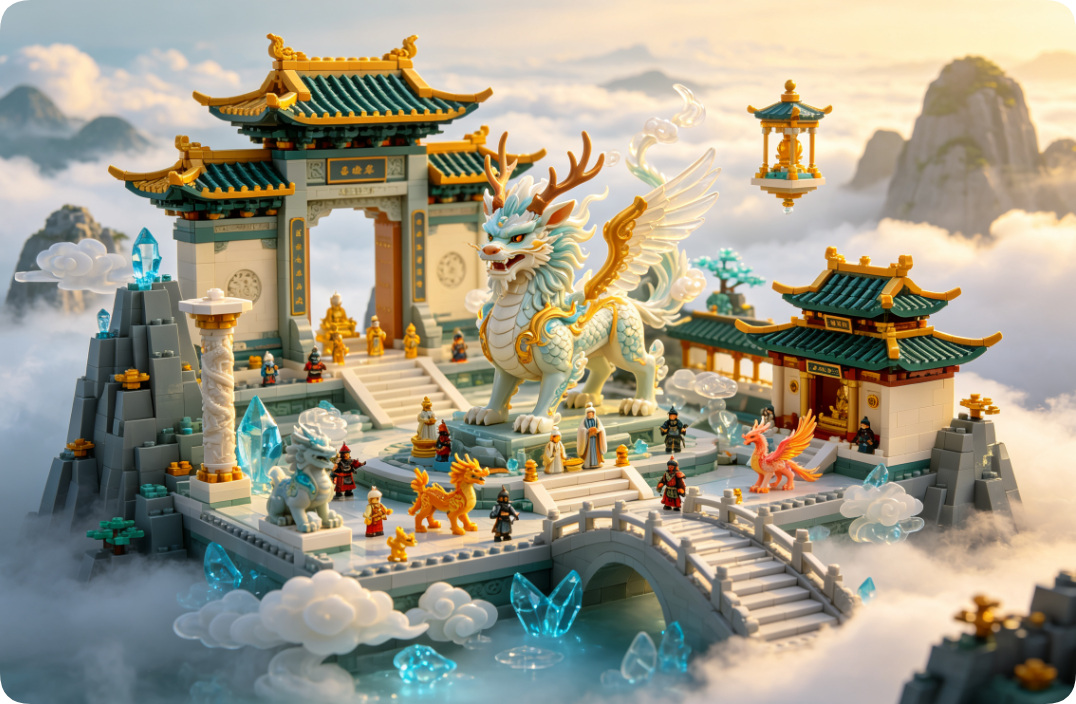
Step 5: Light It Up
Lighting transforms a good model into a showpiece. This is the single biggest upgrade most builders overlook.
You have a few options:
- Built-in light kits: Some sets are designed to integrate LED strings that thread through the structure. These give a warm glow from windows and lantern pieces.
- External display lighting: A small clip-on lamp or LED puck placed above the model creates dramatic shadows.
- Backlighting: Placing a soft light behind translucent elements makes flames and magical effects seem to radiate.
Step 6: Style the Display Scene
A model on a bare shelf is fine. A model in a scene is unforgettable.
Choose a base. Mount your build on a display board or a rotating turntable. A turntable lets you and your guests appreciate every angle and makes photography far easier.
Control the background. A dark, neutral backdrop makes colors pop and hides clutter. Collectors often use a simple black foam board or a fabric panel behind their centerpiece.
Add scale cues. Small companion figures or minor scenery elements give viewers a sense of the beast's size. A tiny monk figure at the base of a towering dragon instantly communicates scale and drama.
Protect it. Dust is the enemy of any detailed Chinese creature model. A clear acrylic display case keeps your work pristine and reduces the fading that comes from long-term dust and UV exposure. For collectors, a case isn't optional. It's insurance for hundreds of hours of work.
Need inspiration for staging? Browse the CraftBlockWorld gallery to see how other builders frame and light their finished sanctuaries. Studying real display setups is one of the fastest ways to level up your own.
Step 7: Photograph and Share Your Build
Half the joy of this hobby is sharing it. A great photo gets your work seen and connects you with other builders.
Follow these basics for shots that stand out:
- Shoot at eye level with the model, not down at it. This makes the beast feel monumental.
- Use soft, diffused light to avoid harsh glare on glossy pieces.
- Fill the frame. Get close and let the detail carry the image.
- Try a low angle to make towers and creatures loom impressively.
- Capture your lighting effects by shooting in a slightly darkened room.
For more staging walkthroughs, seasonal build ideas, and technique deep-dives, the CraftBlockWorld blog is a solid resource to bookmark.
Common Mistakes to Avoid
Even experienced builders trip over a few recurring issues. Watch for these:
- Rushing the roofline. Uneven eaves ruin the silhouette. Slow down on angled sections.
- Skipping internal supports. Tall builds sag without them. Never treat reinforcement steps as optional.
- Over-lighting. Too many LEDs wash out detail. Aim for atmosphere, not a floodlight.
- Building wings unevenly. Always build paired parts in parallel.
- Displaying without dust protection. A case pays for itself in preserved detail.
Collector Tips for Long-Term Value
If you're building with collection value in mind, a few habits matter.
Keep the box and instructions. Original packaging holds value and helps if you ever transport or resell the model.
Note limited runs. Special editions and retired sets tend to appreciate. If a set is marked as limited, grab it early. Popular themed pieces sell out and rarely return.
Document your builds. Photos with dates create a record of your collection and are handy for insurance.
Rotate your display. Direct sunlight fades even the best plastics over time. Position prized models away from windows.
A well-kept Fantasy architecture blocks collection isn't just a hobby stash. Cared for properly, it becomes a genuine display collection with lasting appeal.
Bringing It All Together
A great themed build follows a clear path: plan your story, sort smart, nail the architecture, pose the creature with intent, light it well, and stage it like it belongs in a gallery. Each step compounds the next, and the finished centerpiece rewards every hour you put in.
Your next steps are simple:
- Pick a set whose story excites you and clear a proper build space.
- Plan your lighting and display before you finish building, not after.
- Photograph your result and share it with a community that appreciates the craft.
Frequently Asked Questions
How long does it take to build a mythical beast sanctuary set?\ It depends on piece count and complexity. Smaller creature models take 2–4 hours, while large architectural sanctuaries with detailed pagodas and posable beasts can run 15–30 hours or more. Spread the build across sessions to keep it relaxing rather than rushed.
Are these fantasy sets suitable for beginners?\ Complexity varies across the range. Beginners should start with a smaller Chinese creature model to learn techniques like joint posing and roof angling before tackling a large multi-tier sanctuary. Detailed instructions and community support make the jump to advanced sets manageable.
How do I keep my finished model from collecting dust or breaking?\ Use a clear acrylic display case to block dust and reduce fading. For structural durability, make sure you followed all internal support steps during the build. Quality blocks with strong clutch power hold their shape for years when displayed properly.
Can I customize or modify a themed set with my own ideas?\ Absolutely. Many builders swap poses, add lighting, combine sets, or design custom scenery bases. Themed Fantasy architecture blocks are a great foundation for original creations, and the community loves seeing personalized takes.
What's the best way to light a themed display?\ Use warm white light for Chinese-inspired architecture and match cool or colored light to your creature's element. Backlight translucent flame or water pieces for a glowing effect, and avoid over-lighting so fine details stay visible.