How to Plan, Build, and Display Large Scale Brick Models
Learn how to plan, build, and display large scale brick models and MOC building block models with this step-by-step guide for adult builders.
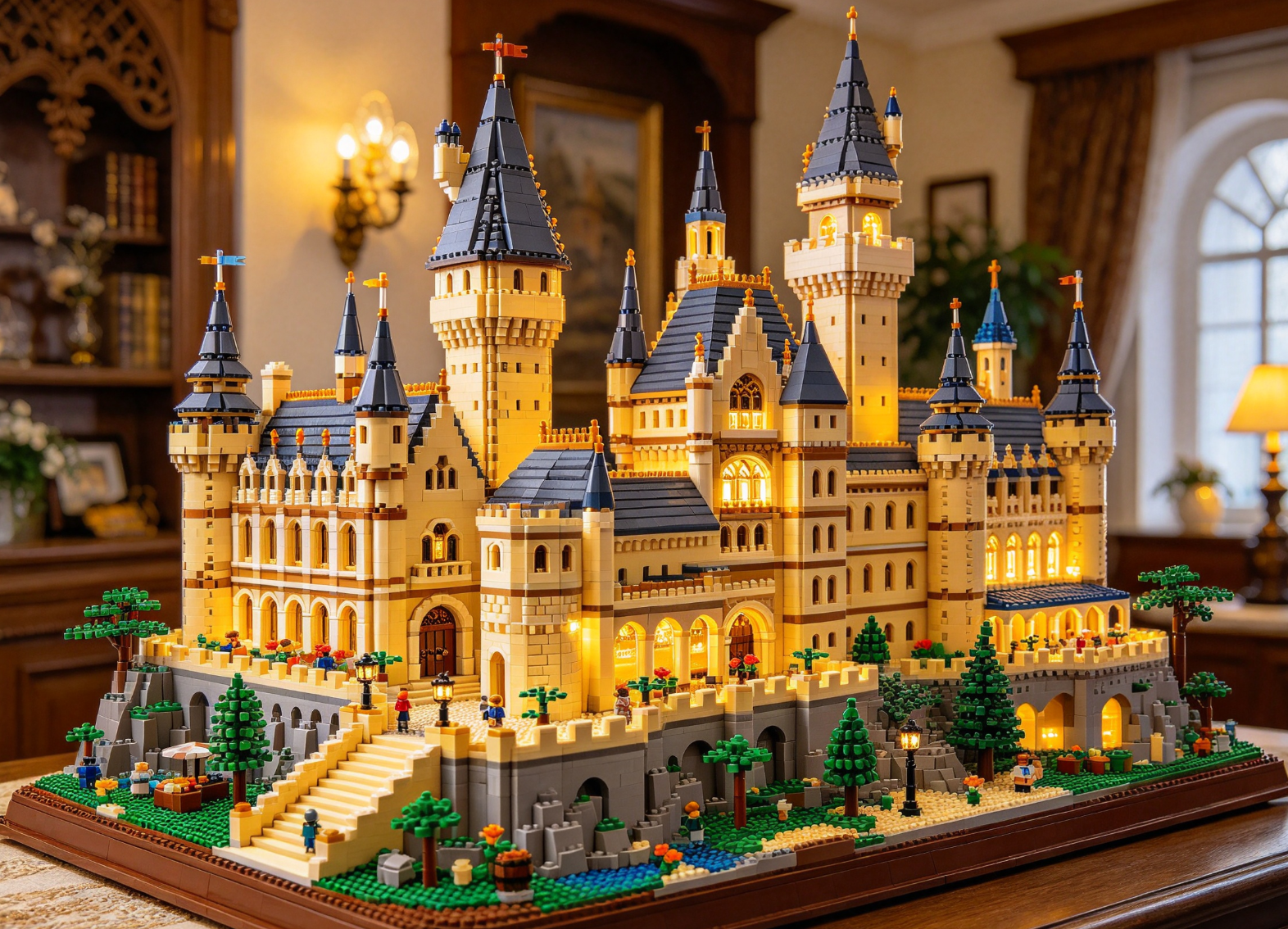
Quick answer: Building large scale brick models or a MOC building block model starts with choosing a scoped subject, sourcing the right brick colors and sizes, sketching your design in a tool like BrickLink Studio, and planning structural support before you snap a single piece together. Execute in sections, test for stability as you go, and finish with a stand or display case that protects your build from dust and sagging. CraftBlockWorld stocks the parts and inspiration to get you there.
Adult builders across the US and Europe have quietly turned brick building into one of the most popular hobbies for grown-ups who grew up stacking plastic blocks on the living room floor. What used to be a kids' toy aisle has become a serious creative outlet, with builders dedicating entire rooms to city skylines, movie replicas, and architectural wonders built one stud at a time.
Part of this shift comes from the rise of large scale brick models — ambitious builds that stretch well beyond a standard retail set in size, piece count, and complexity. The other driver is the explosion of MOC building block models, a term borrowed from the community meaning "My Own Creation." These are original designs dreamed up by builders themselves, not official sets you can buy off a shelf.
If you've ever stared at a 3,000-piece box and wondered where to even start, or sketched an idea for a build that doesn't exist yet, this guide walks you through the entire process. We'll cover what separates a large scale build from a standard kit, how MOC designs differ from official releases, and a practical step-by-step plan for tackling your first big project without losing momentum halfway through.
What Defines a Large Scale Brick Model vs. a Standard Kit
A standard kit is built to a predictable scale, usually sized to fit on a shelf or display case without dominating the room. Large scale brick models, by contrast, are defined by scope rather than piece count alone. A model earns this label when it demands structural reinforcement, spans multiple baseplates, or recreates a subject at a size closer to how it appears in reality than how it's typically miniaturized.
Think of the difference between a 500-piece car model you can hold in one hand and a 4,000-piece version with a opening hood, working steering, and enough heft to need both arms to move. The second build requires engineering decisions a standard kit never asks of you — internal bracing, weight distribution, and often custom instructions if you're adapting or extending an existing design.
Size alone doesn't make a model "large scale." A model becomes large scale when its ambition outpaces what a standard instruction booklet was designed to handle, pushing the builder into genuine problem-solving territory.
What Are MOC Building Block Models and How Do They Differ From Official Sets?
A MOC building block model is any build designed by a hobbyist rather than released by a brand's official product line. MOCs can be original creations entirely from a builder's imagination, or they can modify, expand, or remix an existing official set into something new.
Official sets come with a fixed parts list, numbered instructions, and a single intended outcome. A MOC flips that model entirely. You decide the subject, source your own parts (often from multiple sets or bulk brick retailers), and either design instructions from scratch or build intuitively without them.
This distinction matters because it changes your entire planning process. Official sets remove guesswork. MOC building block models require you to make every decision yourself — proportions, color schemes, structural support, and part substitutions when you can't find the exact piece you pictured. That's precisely why the MOC community has grown into a creative subculture of its own, with online forums where builders upload custom instructions and parts lists for others to replicate or remix. If you're searching for build inspiration, craftblockworld.com's blog regularly features step-by-step builds and creator spotlights worth studying before starting your own.
Step-by-Step Guide: How to Plan Your First Large Scale or MOC Build
Choosing a Subject or Theme
Start narrow. The biggest mistake first-time large scale builders make is choosing a subject too broad to plan around — "a castle" instead of "a Norman keep with a working drawbridge." A specific subject gives you reference points to research, proportions to measure against, and a natural stopping point so the project doesn't balloon indefinitely.
Pull reference photos from multiple angles before you commit. If you're building a vehicle, architectural landmark, or movie set piece, real-world blueprints or photos will save you from guessing at proportions halfway through construction.
Sourcing the Right Bricks and Parts
Large scale and MOC builds live or die on part availability. Before designing anything, check what pieces you can realistically source in the colors and quantities you need. Bulk brick retailers and marketplaces specializing in individual pieces (rather than pre-boxed sets) are essential here, since official sets rarely include enough of a single piece to cover a large scale build.
Create a running parts list as you design, and price-check availability early. Nothing stalls a project faster than designing an entire section around a piece you discover is out of stock or prohibitively expensive. Browsing a catalog like craftblockworld.com's product collections can help you gauge what's realistically available before locking in your design.
Using Digital Design Tools (Like BrickLink Studio)
Before buying a single brick, build your model digitally. Free tools like BrickLink Studio let you construct a virtual version of your design, test proportions, and generate an automatic parts list — including exact piece counts and colors — before you spend a cent.
This step is non-negotiable for serious MOC building block models. Digital prototyping catches structural problems (like a section with no support underneath) and design flaws (like a roofline that doesn't actually close) long before they become expensive physical mistakes. It also gives you a shareable file if you want feedback from other builders before committing to a final version.
Structural Planning and Engineering Considerations
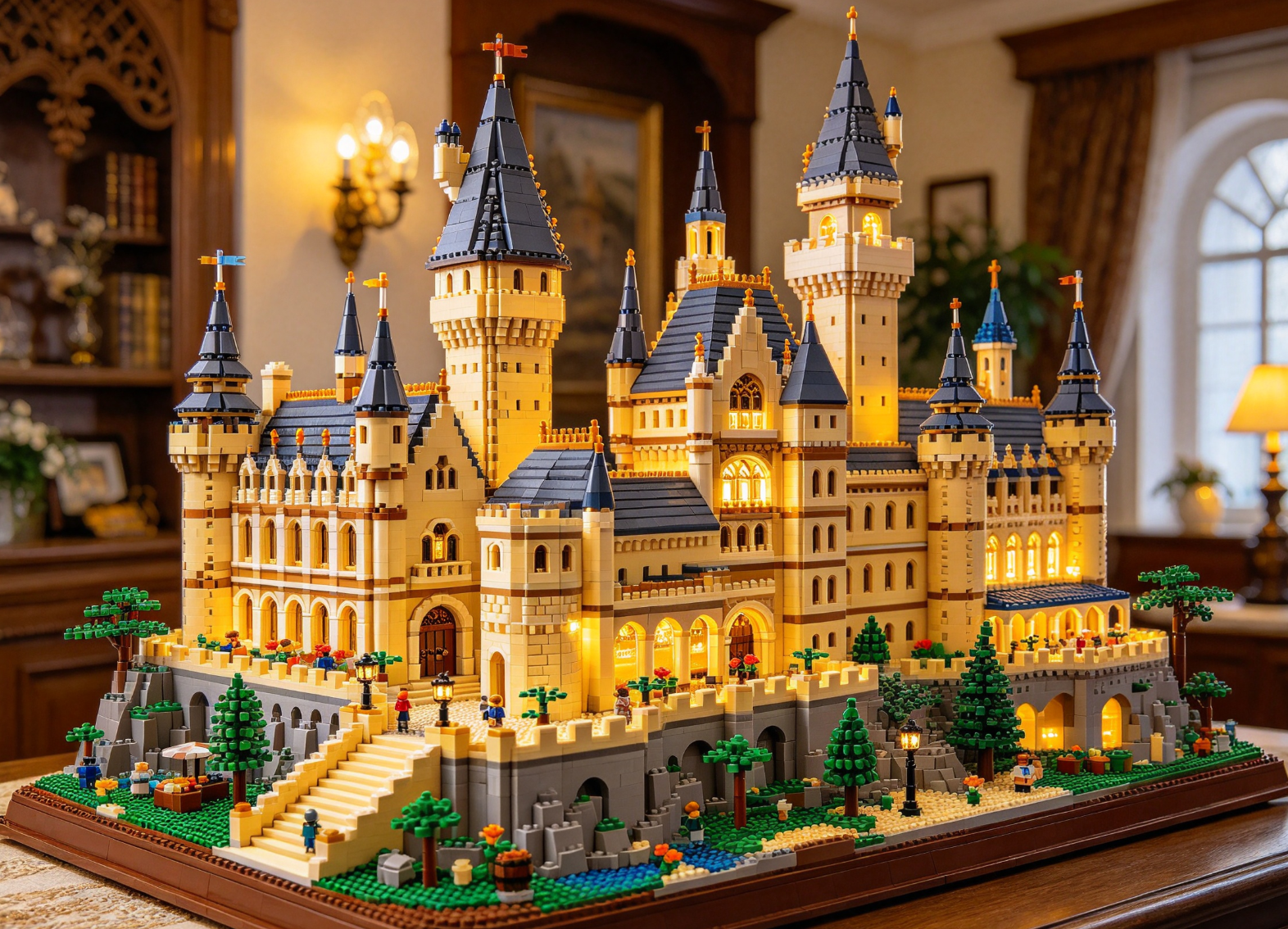
This is where large scale brick models separate from everything else in the hobby. Scale introduces weight, and weight introduces stress points that a small kit never has to account for. Plan internal support structures — cross-bracing, reinforced baseplates, or Technic beams running through the core of the model — before you start stacking.
A few engineering principles that hold true across most large builds:
- Distribute weight downward and inward. Top-heavy sections are the leading cause of structural failure in large models.
- Avoid long unsupported spans. Any horizontal section longer than a few studs without support beneath it will sag over time.
- Use Technic elements for load-bearing sections, even in builds that are otherwise built with standard bricks. The connection strength makes a measurable difference.
- Build in sections you can test independently before combining them into the final structure.
Tips for Executing a Large Scale Build Without Getting Overwhelmed
Ambitious builds fail more often from burnout than from bad design. Break your project into discrete, completable sections — a wing of a building, a section of fuselage, one side of a vehicle — so you have regular points of visible progress instead of one enormous, undifferentiated task.
Set a realistic pace. A 5,000-piece build completed over several weekends feels like steady progress; the same build treated as a single weekend sprint feels like a slog by hour four. Sort and bag your pieces by section before you start each session, so you're not hunting through thousands of loose bricks mid-build.
If you hit a design wall — a connection that won't work, a proportion that looks off once physically built — step away and revisit your digital model rather than forcing a fix in plastic. It's far easier to troubleshoot on screen than to tear apart a section you've already assembled.
How to Display and Protect a Finished Large Scale or MOC Model
A finished large scale build deserves a display setup that protects the hours of work you put into it. Dust is the most immediate threat — a clear acrylic case or display dome keeps a model clean without obscuring detail, and it's worth the investment for anything you don't plan to disassemble.
For structural protection, make sure your display surface fully supports the model's base rather than letting any section overhang unsupported. Vibration from foot traffic or nearby doors can loosen connections over time, so a stable shelf or dedicated display stand away from high-traffic areas will extend your model's life considerably.
Lighting matters too. Angled LED strip lighting placed behind or beneath a display case highlights detail work without the flat, washed-out look of direct overhead light. For models with interior detail — a building with furnished rooms, for example — small LED point lights built into the model itself can turn a static display into something that genuinely draws attention.
Why CraftBlockWorld Is a Strong Resource for MOC and Large Scale Builders
Sourcing parts, finding inspiration, and troubleshooting design problems are the three biggest hurdles for anyone attempting large scale brick models or original MOC designs, and CraftBlockWorld is built around solving exactly that. The catalog spans thousands of sets across categories like Creator Expert, Mechanical & Technic, and Architecture — all compatible with major building block brands, so parts sourcing for large or custom builds doesn't require hunting across a dozen different suppliers.
Beyond parts, CraftBlockWorld's blog publishes detailed build guides and creator spotlights covering everything from vehicle customization to large-scale architectural projects, giving builders real reference points rather than generic tips. For builders exploring MOC culture or comparing brick brands before committing to a large project, the site's Lego Alternatives for Adults hub is a deep dive worth bookmarking before you start sourcing parts.
Start Your Build With a Plan, Not Just a Pile of Bricks
The difference between an abandoned project and a finished display piece almost always comes down to planning. Choose a subject specific enough to research properly, prototype digitally before buying parts, and build in sections you can test as you go. Whether you're assembling your first large scale brick models or designing an original MOC building block model from scratch, the builders who finish are the ones who treat planning as part of the build itself, not a step to skip.
Frequently Asked Questions
What's the difference between a large scale brick model and a standard set?\ A large scale brick model is defined by the structural and engineering demands of its size, not just a high piece count. These builds typically require internal support, span multiple baseplates, and involve design decisions a standard kit's instructions never address.
Do I need design software to build a MOC building block model?\ It's not strictly required, but tools like BrickLink Studio make the process significantly easier. Digital prototyping lets you test proportions, generate accurate parts lists, and catch structural issues before buying a single brick.
How long does a large scale build typically take?\ This varies widely by scope, but most large scale builds take several weekends to a few months, especially when parts need to be sourced gradually. Breaking the project into sections makes the timeline feel manageable rather than open-ended.
Can I use parts from multiple brands for a MOC build?\ Yes, as long as the brands are compatible with standard stud-and-tube connections. Most building block brands, including CraftBlockWorld's catalog, are designed to connect seamlessly with major brands, which opens up far more part options for custom designs.
What's the best way to protect a finished large scale model from damage?\ A clear display case or dome protects against dust, while a fully supported display surface prevents sagging or loosened connections over time. Keeping the model away from high-traffic areas also reduces vibration damage.