How to Choose the Right LEGO Alternative: A Practical Guide for Builders
Building brick fans have more options now than ever before. If you've been searching for **lego ersatz marken** that deliver the same click, the same tight fit, and the same display-worthy results without the premium price tag, you're in the right place. This guide walks you through every step of finding, testing, and building with the right alternative bricks for your projects.
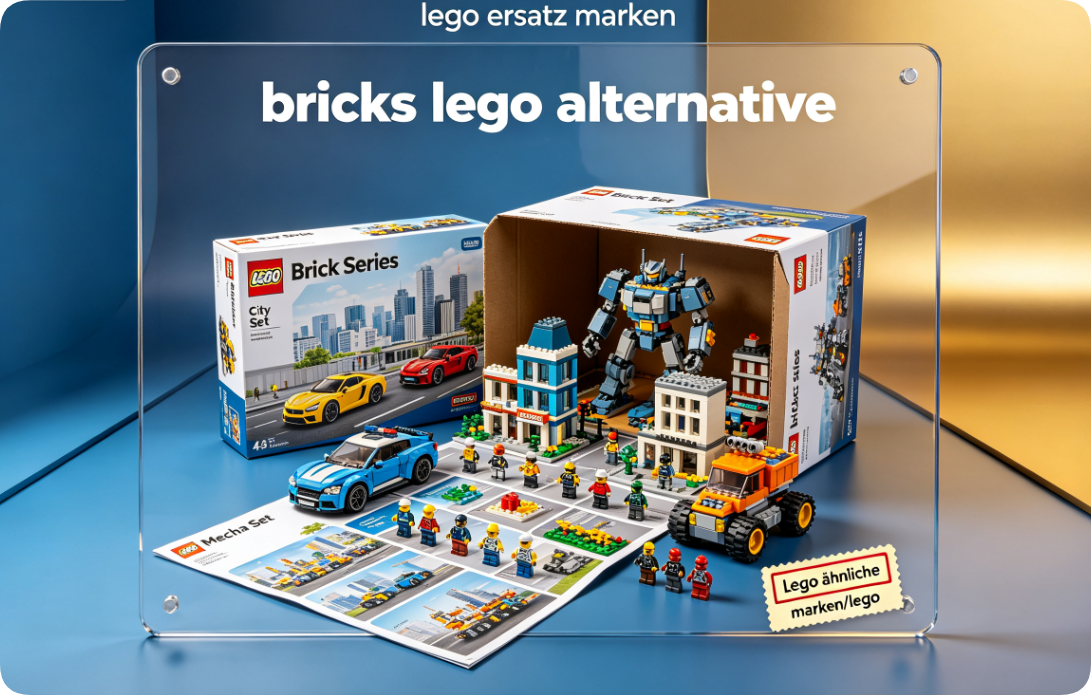
Building brick fans have more options now than ever before. If you've been searching for lego ersatz marken that deliver the same click, the same tight fit, and the same display-worthy results without the premium price tag, you're in the right place. This guide walks you through every step of finding, testing, and building with the right alternative bricks for your projects.
Whether you're an adult hobbyist chasing a 3,000-piece architecture set, a parent looking for STEM-friendly toys, or a collector hunting limited editions, the process below will help you make a confident choice.
At craftblockworld, we build our sets to meet the standards serious builders expect. Let's get into it.
Why Consider a LEGO Alternative in the First Place
The market for building bricks has grown fast. Independent brands now produce sets with sharper detail, bolder themes, and higher piece counts than many people realize. Choosing a strong bricks lego alternative often means:
- Lower cost per piece — more brick for your budget
- Unique themes — designs you won't find in mainstream catalogs
- Larger, more complex builds — ideal for advanced hobbyists
- Custom and original models — perfect for creators who design their own
Step 1: Define Your Building Goal
Before comparing brands, get clear on what you actually want to build.
For Adult Hobbyists
You likely want intricate models, high piece counts, and a satisfying challenge. Look for sets rated for advanced builders, with detailed instruction manuals and realistic proportions.
For Families
If you're buying for kids aged 5–14, prioritize STEM value, safe materials, and age-appropriate complexity. Sets that teach problem-solving while keeping frustration low are the sweet spot.
For Collectors
Focus on limited editions, display-worthy finishes, and themes with long-term appeal. Details matter here — panel gaps, printing quality, and color accuracy define a strong collectible.
For Creators
If you design your own models, you'll want bricks that mix and match freely with your existing collection. Compatibility becomes your top priority.
Writing down your goal keeps every later decision focused. A collector and a parent need very different things from the same category of product.
Step 2: Check Brick Compatibility
This is the single most important factor. Many lego ähnliche marken advertise "compatible" bricks, but real compatibility comes down to precise tolerances.
Here's how to test it:
- Clutch power — Press two bricks together. A good fit holds firm but pulls apart without excessive force. Too loose, and your model falls apart. Too tight, and small hands struggle.
- Stud alignment — Studs should line up cleanly across a full baseplate without drifting.
- Cross-brand mixing — If you plan to combine bricks with sets you already own, buy a small set first and test the fit before committing to a large build.
Step 3: Evaluate Material Quality
Plastic quality separates a set that lasts decades from one that yellows and cracks in a year.
Look for:
- ABS plastic — the industry standard for durability, color retention, and a clean surface finish
- Consistent color batches — mismatched shades ruin large single-color builds
- Smooth, burr-free edges — no rough flashing left over from molding
- Vibrant, accurate printing — printed details should be crisp, not smudged or peeling
Step 4: Compare Piece Count and Value
Piece count alone doesn't tell the full story. A 2,000-piece set full of tiny repetitive parts may feel less rewarding than a 1,200-piece set with varied, purposeful design.
Calculate the cost per piece as a baseline, then weigh it against:
- Design complexity
- Number of unique or specialty pieces
- Build time and replay value
- Display size and visual impact
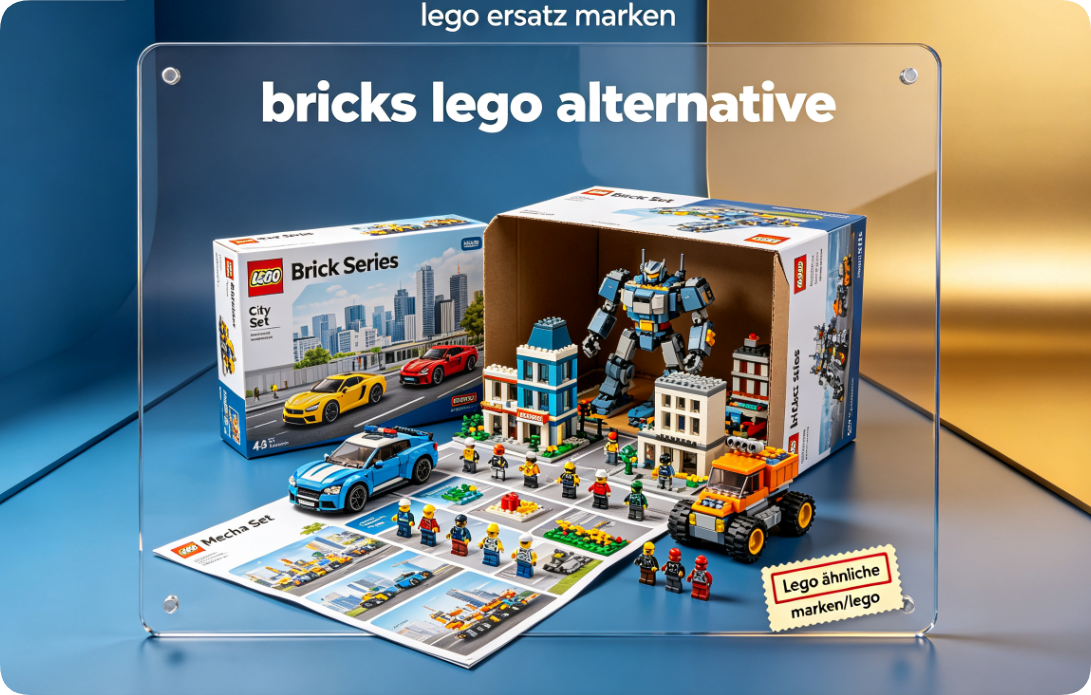
Step 5: Assess the Instructions
Great bricks with poor instructions lead to frustration. Before buying, check whether a brand offers:
- Clear, step-by-step visuals with numbered stages
- High-contrast diagrams that show exactly which piece goes where
- Digital or printed formats to suit your preference
- Parts lists for each stage, so you can pre-sort
Step 6: Look at the Theme and Design Range
Half the fun is choosing a model you genuinely want to build and display. The best alternative brands offer themes you won't see everywhere else:
- Modern architecture and world landmarks
- Botanical and floral builds for relaxation
- Mechanical models with working functions
- Fantasy, sci-fi, and original creative sets
Step 7: Read the Community's Verdict
The building community is honest and vocal. Before your final decision, spend time in the spaces where builders gather:
- Online forums dedicated to alternative bricks
- Social media groups where members post finished builds
- Video build reviews that show the assembly process end to end
- Community challenges that reveal how flexible a brand's pieces really are
Step 8: Make Your First Purchase Smart
Once you've narrowed your options, buy strategically:
- Start small — order one mid-size set to test quality firsthand
- Document the build — note fit, plastic quality, and instruction clarity
- Test compatibility — mix a few pieces with any bricks you already own
- Then scale up — once a brand earns your trust, commit to the larger sets
A Quick Comparison Framework
Use this checklist every time you evaluate a new brand:
| Factor | What to Look For | | ------------- | --------------------------------- | | Compatibility | Firm clutch, clean stud alignment | | Material | Genuine ABS, consistent color | | Value | Reasonable cost per piece | | Instructions | Clear, staged, easy to follow | | Design | Unique themes, display appeal | | Community | Active, engaged, repeat builders |
Run any brand through these six points and your decision becomes far easier. The strongest lego ähnliche marken score well across every row — not just one or two.
Building Tips for Better Results
Once you've chosen your set, these habits improve every build:
- Sort first — group pieces by color and type before you start
- Work on a flat, well-lit surface — you'll spot small parts faster
- Follow sub-assemblies in order — resist the urge to skip ahead
- Use a brick separator — protect both your models and your fingertips
- Take breaks on large builds — fresh eyes prevent mistakes
Final Thoughts
Finding the right building bricks doesn't have to be guesswork. Define your goal, test compatibility, judge the plastic, weigh the value, and lean on the community. Follow these steps and you'll land on a brand that fits your budget, your skill level, and your creative ambitions.
The world of alternative building bricks keeps getting better, with more choice, more detail, and more room to create than ever. Pick well, build boldly, and enjoy every click.
Frequently Asked Questions
Are LEGO alternative bricks actually compatible with original sets?
Most quality alternatives are designed to fit standard building systems, meaning studs and clutch power match closely enough to mix pieces freely. Compatibility does vary by brand, so it's smart to order a small set first and test the fit before committing to a large build.
Do alternative bricks last as long as premium brands?
Yes, when they're made from genuine ABS plastic. ABS resists yellowing, holds color well, and stands up to repeated assembly. Check that a brand specifies its material and read real customer feedback to confirm long-term durability.
Are these sets suitable for children?
Many are excellent for kids, offering strong STEM value and creative play. Always check the recommended age range and look for sets with clear, staged instructions. Younger builders do best with models that break down into manageable sub-assemblies.
How do I know if I'm getting good value?
Calculate the cost per piece, then factor in design complexity, unique pieces, and build time. A lower price alone isn't the whole picture — a well-designed set with varied pieces often delivers more satisfaction than a cheaper set full of repetitive parts.
Where can I find honest reviews before buying?
Look to independent building communities, video build-throughs, and verified customer feedback. Active forums and social groups where members post finished models give you the clearest, most honest picture of what to expect from any brand.