Exploring the World of Knock-Off LEGO Brands: A Comprehensive Guide
Explore knock-off LEGO brands, their quality, compatibility, and why builders choose alternatives. Discover affordable building sets for endless creative fun.
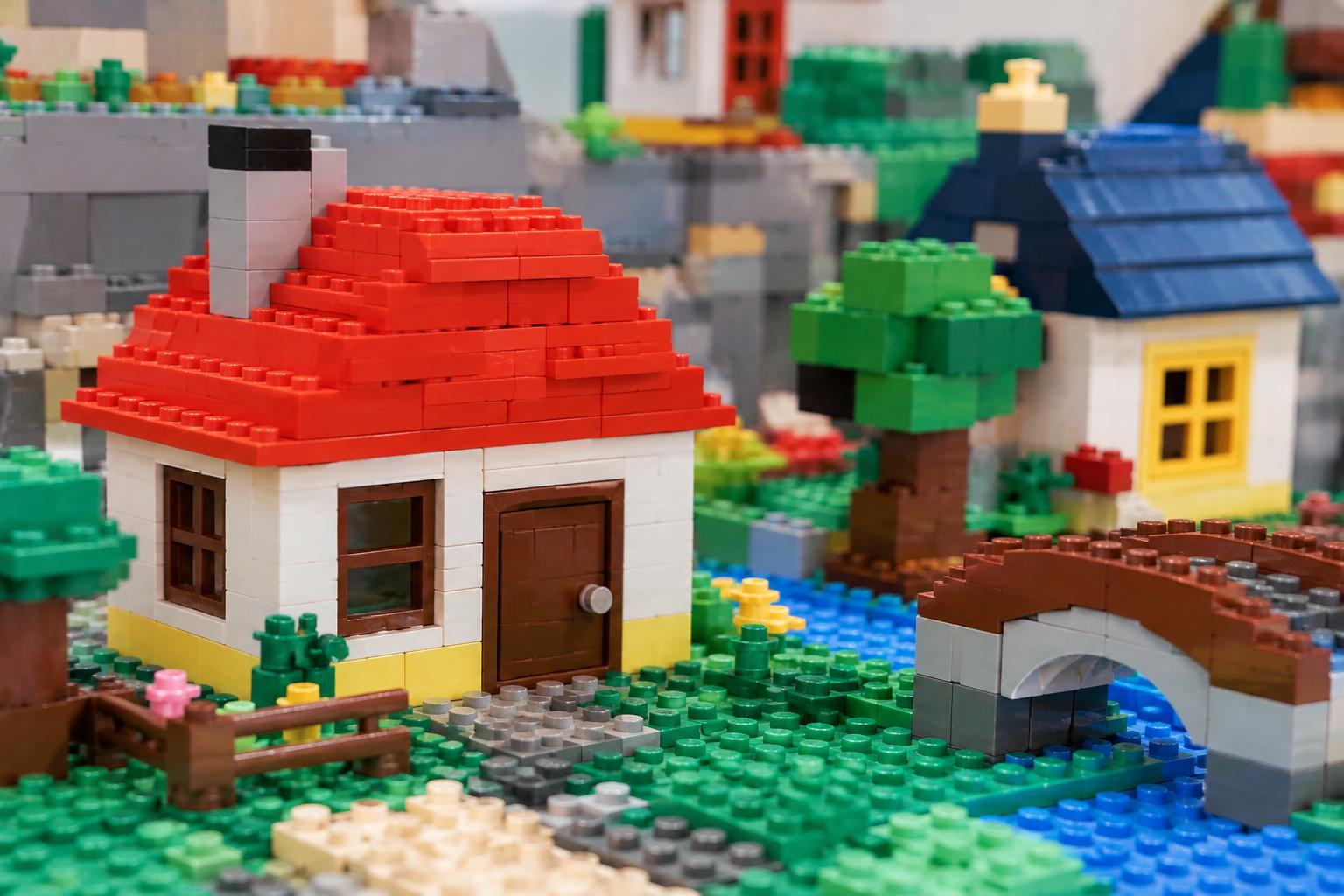
The world of building blocks has expanded far beyond its original Danish pioneer. For decades, LEGO has dominated the market, but a growing number of alternative brands have emerged, offering builders new possibilities, often at more accessible price points. These alternatives, frequently referred to as knock off LEGO brands, have carved out a significant niche, attracting enthusiasts who seek variety, affordability, or specific themes not covered by the official brand. This guide aims to provide a comprehensive look into these alternative building systems, exploring their quality, compatibility, legal aspects, and the reasons why they have become so popular among builders in both the US and European markets.
The Rise of Alternative Building Blocks
The appeal of building blocks is universal, transcending age and cultural boundaries. While LEGO remains a beloved and iconic brand, its premium pricing and specific product lines don't always cater to every builder's needs or budget. This gap has been filled by numerous companies producing compatible building block sets. These knock off LEGO brands are not merely cheap imitations; many have evolved into sophisticated manufacturers with their own unique designs, high-quality bricks, and dedicated fan bases.
The motivation behind choosing alternative brands is varied. For some, it's about cost. LEGO sets, especially larger, more intricate ones, can be a significant investment. Alternatives often offer similar-sized sets for a fraction of the price. For others, it's about variety and creative freedom. Some alternative brands delve into themes or licenses that LEGO does not, providing fresh inspiration and unique display pieces.
Understanding the Term "Knock-Off"
The term "knock-off" can sometimes carry a negative connotation, implying inferiority or illegality. However, in the context of building blocks, it often refers simply to brands that produce bricks compatible with the LEGO system, without necessarily directly copying specific LEGO set designs. The original LEGO patent for the interlocking brick system expired decades ago, opening the door for other manufacturers to produce similar bricks. What distinguishes a reputable alternative from a truly illegal counterfeit often lies in design originality and brand integrity. Websites like craftblockworld are dedicated to exploring and reviewing these various alternatives, helping consumers make informed choices.
Quality and Compatibility of Alternative Brands
One of the most common concerns when considering knock off LEGO brands is the quality of the bricks. Will they hold up? Do they clutch well? Are the colors consistent? The answer is: it varies significantly by brand. Just as there are premium and budget options in any product category, the same applies to building blocks.
Brick Quality: What to Look For
- Clutching Power: This refers to how well bricks connect and stay connected. Good alternative brands will have a solid clutch, ensuring your models are stable. Poor clutching power can lead to frustrating breaks and unstable builds.
- Material Quality: Most building blocks are made from ABS plastic. High-quality ABS offers durability, consistent color, and a good finish. Cheaper plastics might feel brittle, have inconsistent color, or show molding imperfections.
- Color Consistency: Reputable alternative brands ensure that bricks of the same color are indeed uniform throughout the set, and across different sets. Inconsistent colors can detract from the aesthetic appeal of a model.
- Molding Precision: Well-made bricks have sharp edges and precise dimensions, ensuring they fit together perfectly. Imperfect molding can result in loose connections or gaps.
Before purchasing, it's always advisable to consult reviews and community discussions. Many online platforms and dedicated sites like craftblockworld offer detailed analyses of various brands, often including comparisons to official LEGO bricks.
Compatibility with LEGO Bricks
A major draw of many alternative brands is their compatibility with genuine LEGO bricks. This means you can integrate pieces from different manufacturers into your builds, vastly expanding your creative possibilities. Most alternative brands explicitly state their compatibility. However, minor differences in molding or plastic thickness can sometimes lead to tighter or looser fits compared to LEGO. For the most part, though, standard bricks are interchangeable, allowing for a truly universal building system.
Why Choose Knock-Off LEGO Brands? Advantages and Disadvantages
The decision to opt for alternative building blocks often comes down to a balance of pros and cons. Understanding these can help you determine if knock off LEGO brands are the right choice for your building needs.
Advantages:
- Affordability: This is arguably the biggest selling point. Alternative sets can cost 30-70% less than comparable LEGO sets, allowing builders to acquire larger collections or more intricate models within a budget.
- Novelty and Variety: Many alternative brands offer unique themes, original set designs, and even licensed properties that LEGO does not produce. This opens up new avenues for collecting and building, from military vehicles to intricate architectural wonders or specific pop culture references.
- Availability of Discontinued Sets: Sometimes, an alternative brand will release a set that is very similar in concept or theme to a discontinued, highly-sought-after LEGO set. This gives collectors a chance to own something they might have missed.
- Part Selection: Some brands produce specific pieces (e.g., highly detailed figures, unique mechanical parts) that are rare or unavailable from LEGO, offering greater flexibility for custom builds (MOCs - My Own Creations).
- Learning Experience: Exploring different brands can be an educational experience, helping builders understand the nuances of plastic quality, design, and manufacturing processes.
Disadvantages:
- Inconsistent Quality: As mentioned, quality can be a lottery. Some brands deliver excellent products, while others might disappoint with brittle plastic, poor clutch, or missing pieces.
- Customer Service: While major alternative brands are improving, their customer service might not always match the well-established support system provided by LEGO, especially for missing or defective parts.
- Instructions Quality: Sometimes, the instruction manuals for alternative sets can be less clear or well-designed than official LEGO instructions, making complex builds more challenging.
- Resale Value: Generally, alternative brand sets do not hold their resale value as well as official LEGO sets, which can appreciate significantly over time.
- Ethical Concerns: For some consumers, there are ethical considerations regarding intellectual property, especially when an alternative brand closely mimics patented designs or themes. However, it's important to distinguish between legal alternatives and outright counterfeits.
Distinguishing Legitimate Alternatives from Counterfeits
Understanding the difference between a legitimate alternative building block brand and a counterfeit product is crucial. A genuine alternative brand produces its own unique set designs and operates under its own distinct branding, even if its bricks are compatible with LEGO. They respect intellectual property by not directly copying patented LEGO set designs or using the LEGO trademark.
Counterfeit products, on the other hand, are illegal. They attempt to pass themselves off as authentic LEGO products, often using the LEGO logo, set names, or direct copies of copyrighted set designs. These products often have inferior quality and are produced without any oversight. When seeking knock off LEGO brands, always ensure you are purchasing from a reputable alternative brand, not a counterfeiter. Online resources like craftblockworld can help identify legitimate brands and steer you away from illicit products.
Popular Knock-Off LEGO Brands and What They Offer
The market for alternative building blocks is dynamic, with new brands emerging and existing ones evolving. While it's impossible to list every single brand, here are a few examples that are well-known in the US and European markets for their quality and offerings:
- CaDA Bricks: Known for their highly technical and intricate sets, often focusing on vehicles, robots, and complex mechanisms, CaDA offers excellent quality and innovative designs.
- Mould King: This brand is famous for its large, intricate sets, often featuring advanced functionalities, motors, and lights. They frequently produce highly detailed replicas of real-world vehicles and architecture.
- Cobi: A Polish company, Cobi specializes in historical military vehicles, particularly from World War II. Their sets are highly detailed, often excluding minifigures to maintain a realistic scale. Cobi bricks have a slightly different feel but are fully compatible.
- Decool/Jisi (Rebrickable): These brands often produce sets that were originally MOCs (My Own Creations) by independent designers, making unique and often very challenging builds available to a wider audience.
- Sheng Yuan (SY)/Lepin (defunct): Older brands like Lepin faced legal issues for directly copying LEGO designs. Newer iterations and other brands have learned from this, generally focusing on original designs or MOCs without trademark infringement.
When exploring these brands, look for specifics: what themes do they cover? What is their reputation for brick quality and instructions? Do they offer unique functionalities or pieces?
Tips for Buying Alternative Building Block Sets
Navigating the market for knock off LEGO brands can be daunting at first. Here are some tips to help you make informed purchases:
- Read Reviews Extensively: This is the most critical step. Look for reviews on YouTube, specialized blogs, and community forums. Pay attention to comments about brick quality, missing pieces, instruction clarity, and customer service.
- Start Small: If you're new to a particular brand, don't invest in a massive, expensive set immediately. Try a smaller, more affordable set to gauge the quality and your satisfaction before committing to larger purchases.
- Check for Compatibility: If integrating with LEGO is important to you, verify that the brand explicitly states its bricks are LEGO-compatible.
- Consider Themes: Some brands excel in certain themes more than others. If you're interested in military models, Cobi might be ideal. For complex technic builds, CaDA or Mould King might be better.
- Purchase from Reputable Sellers: Buy from established online retailers or specialized building block stores that have good return policies. This provides a safety net if a set has issues.
- Be Realistic About Expectations: While many alternatives offer excellent quality, they might not always match the consistently high standard of LEGO. Adjust your expectations based on the price point.
The Future of Alternative Building Blocks
The landscape of building blocks is continuously evolving. As patents expire and manufacturing technologies advance, the quality and innovation of alternative brands are likely to continue to improve. This competition ultimately benefits consumers, driving innovation across the board and making the hobby more accessible to a wider audience. The rise of sophisticated designs and high-quality parts from knock off LEGO brands encourages LEGO itself to maintain its high standards and innovate further.
The community around alternative building blocks is vibrant, with enthusiasts sharing builds, discussing new releases, and providing invaluable feedback. This collaborative spirit further fuels the growth and refinement of these brands. Sites like craftblockworld play a crucial role in bringing this community together, offering a centralized hub for discovery and discussion.
Conclusion
The world of knock off LEGO brands offers a compelling alternative for building enthusiasts. While the term itself can be misleading, many of these brands provide high-quality, compatible bricks, unique set designs, and significant cost savings. By doing your research, understanding the different brands, and managing your expectations, you can unlock a vast universe of creative building possibilities that complement or even expand upon your existing LEGO collection. The competition and innovation brought by these alternative brands only serve to enrich the hobby for everyone, making it more diverse, accessible, and exciting than ever before. Whether you're looking for a specific theme, a challenging build, or simply more bricks for your budget, the alternative market has something to offer every builder.
Frequently Asked Questions (FAQ)
Are knock-off LEGO bricks compatible with genuine LEGO bricks?
Many, but not all, knock off LEGO brands are designed to be compatible with genuine LEGO bricks, allowing for seamless integration and expanded building possibilities. Always check product descriptions for compatibility information.
What are the main advantages of buying knock-off LEGO brands?
The primary advantages include significant cost savings, access to a wider variety of unique sets and themes not offered by LEGO, and the ability to acquire discontinued or hard-to-find models at lower prices. This allows builders to expand their collections without breaking the bank.
Is the quality of knock-off LEGO brands comparable to official LEGO?
Quality varies significantly among different knock-off brands. While some brands offer excellent brick quality, clutching power, and color consistency, others may have noticeable differences. Reading reviews and researching specific brands like those found on craftblockworld can help identify higher-quality alternatives.
Are there legal issues associated with purchasing or selling knock-off LEGO brands?
Generally, purchasing knock-off brands for personal use is not a legal issue. However, selling products that infringe on LEGO's intellectual property, such as copying copyrighted set designs or using trademarked names, can lead to legal complications for sellers. Most reputable alternative brands avoid direct copying of patented designs and focus on creating their own unique sets.
Where can I find reliable reviews and information about different alternative building block brands?
Websites and communities dedicated to building blocks, like craftblockworld, often feature reviews, comparisons, and discussions about various alternative brands. YouTube channels, forums, and online marketplaces can also be great resources for gathering information before making a purchase. Look for detailed reviews that highlight brick quality, instructions, and overall building experience.