The Truth About Fake LEGO Sets: What You Need to Know Before You Buy
Discover the world of fake LEGO sets, their implications, and how to identify them. Learn why choosing authentic building blocks matters for quality, safety, and intellectual property.
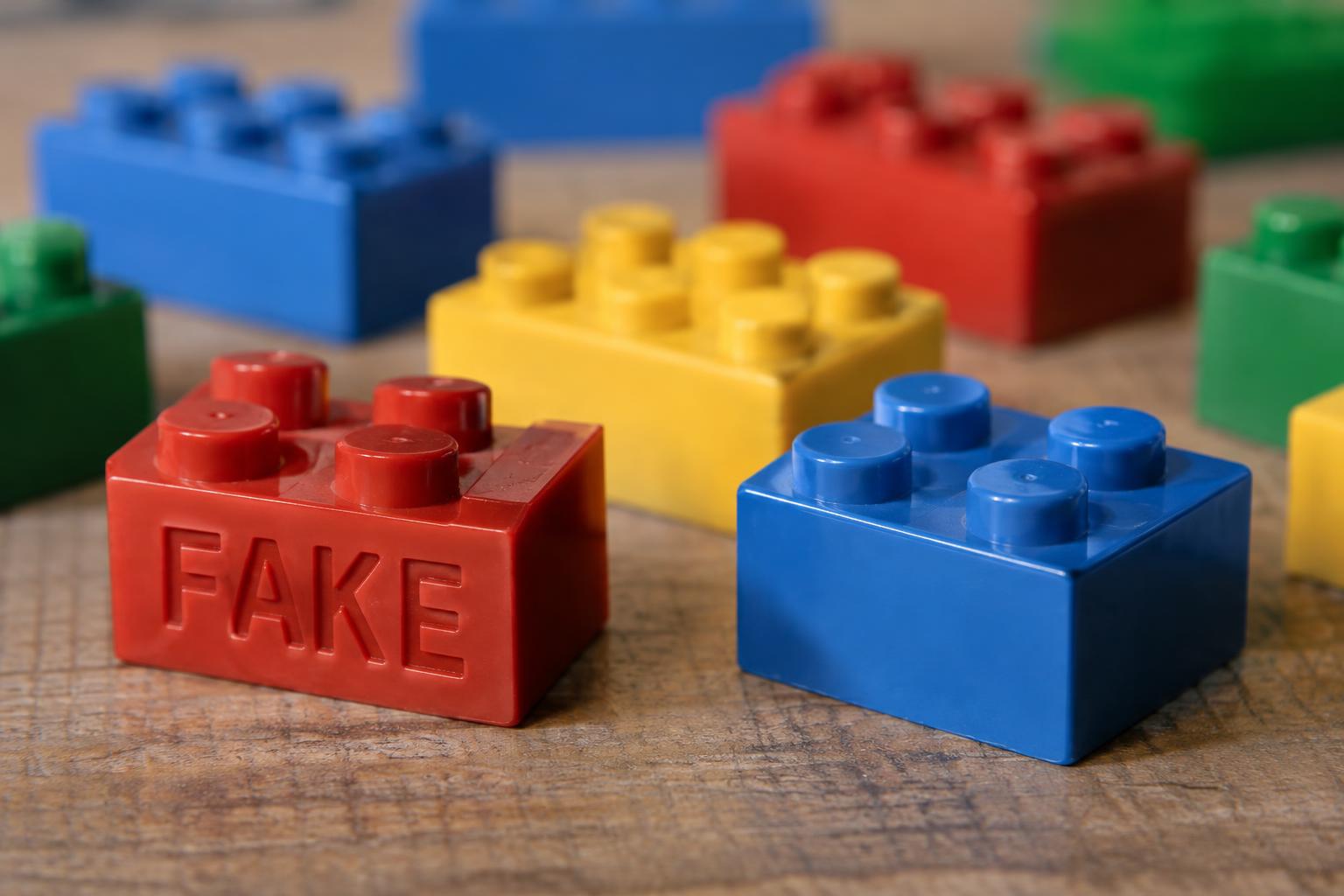
In the vibrant world of creative play and intricate building, LEGO stands as an undisputed icon. Its interlocking bricks have inspired generations, fostering creativity, problem-solving, and endless hours of fun. However, the immense popularity and global demand for these iconic toys have unfortunately paved the way for a less desirable phenomenon: fake LEGO sets. These counterfeit products, often sold at significantly lower prices, can seem like an attractive alternative, but they come with a host of hidden risks and ethical considerations that every consumer in the US and Europe should be aware of.
This article delves into the intricate world of counterfeit building blocks, exploring what constitutes a "fake" set, the implications for consumers and the industry, and most importantly, how to identify and avoid them. Our goal is to equip you with the knowledge needed to make informed purchasing decisions, ensuring that your building experience remains safe, enjoyable, and supportive of legitimate innovation.
Understanding What Defines a "Fake" LEGO Set
When we talk about fake LEGO sets, it’s crucial to distinguish between genuine counterfeits and legitimate alternative building block brands. Not every non-LEGO brick is "fake."
Counterfeit vs. Alternative Brands
- Counterfeit (Fake) Sets: These are products designed to deceive consumers into believing they are purchasing genuine LEGO sets. They often copy LEGO's designs, packaging, instructions, and even brand logos, sometimes with slight alterations to evade direct trademark infringement. These sets explicitly infringe on LEGO's intellectual property and are produced without any licensing or permission. They aim to capitalize on LEGO's reputation and designs, often using inferior materials and manufacturing processes.
- Alternative Building Block Brands: Many legitimate companies produce building blocks that are compatible with LEGO bricks but use their own unique designs, themes, branding, and packaging. Brands like Mega Bloks, K'nex, and Cobi are examples of companies that provide alternative building experiences. These brands do not attempt to pass their products off as LEGO; instead, they offer different options for consumers. Our partners at craftblockworld, for instance, focus on creating unique and high-quality building block experiences that respect intellectual property while providing diverse choices for builders. The crucial difference lies in intent and originality.
The distinction is vital because while alternative brands offer healthy competition and variety, fake LEGO sets pose risks to consumers and undermine the creative efforts of original manufacturers.
The Dangers and Disadvantages of Fake LEGO Sets
While the lower price point of fake LEGO sets might be tempting, the hidden costs in terms of quality, safety, and ethics far outweigh any initial savings.
Quality and Durability Issues
Authentic LEGO bricks are renowned for their consistent quality, precise fit, and durability. They click together perfectly, hold their shape, and can withstand years of play. Counterfeit sets rarely meet these standards:
- Poor Clutch Power: Bricks might not connect snugly, leading to unstable models that easily fall apart.
- Inconsistent Color and Finish: Colors can be off, inconsistent, or fade quickly. The plastic might feel cheap, brittle, or have an unpleasant sheen.
- Substandard Molds: Imperfections, burrs, or poorly formed pieces are common, affecting both aesthetics and functionality. Pieces may not fit together properly or at all.
- Missing or Damaged Parts: It's common for fake sets to have missing pieces or parts that are already broken or warped, making it impossible to complete the model.
Safety Concerns for Children and Adults
Perhaps the most critical concern associated with fake LEGO sets is safety. Authentic LEGO products undergo rigorous testing to meet international safety standards. Counterfeiters, however, often cut corners:
- Toxic Materials: Cheap plastics can contain harmful chemicals, heavy metals (like lead or cadmium), or phthalates that are banned in regulated markets like the US and EU. Children, who often put toys in their mouths, are particularly at risk.
- Choking Hazards: Poorly manufactured small parts can break off easily, posing a choking risk for younger children.
- Flammability: Some counterfeit plastics may not meet fire safety standards, posing a fire hazard.
- Sharp Edges and Fragility: Bricks might have sharp edges due to bad molding or be too fragile, breaking into dangerous pieces.
Ethical and Legal Implications
Purchasing counterfeit goods, even unknowingly, has broader ethical and legal consequences:
- Intellectual Property Infringement: Counterfeiters profit directly from stealing the designs and innovations of legitimate companies. Supporting these products undermines creativity and incentivizes illegal activities. LEGO invests heavily in research, design, and development, and fakes steal this investment.
- Funding Illicit Activities: The sale of counterfeit goods can be linked to organized crime, poor labor practices, and other illegal undertakings, far removed from the ethical supply chains of legitimate businesses.
- No Customer Support or Warranty: If you encounter issues with a fake LEGO set, there's no legitimate customer support or warranty to fall back on. You're left with a faulty product and no recourse.
How to Identify Fake LEGO Sets
Being an informed consumer is your best defense against inadvertently purchasing counterfeit products. Here are key indicators to help you spot fake LEGO sets:
Scrutinize the Packaging
- Brand Logos and Markings: Look for the official LEGO logo. Counterfeit packaging might have slight variations, misspellings, or logos that are poorly printed or off-center. Check for official product numbers, barcodes, and age recommendations which should be consistent with LEGO's branding.
- Image Quality: Genuine LEGO packaging features high-resolution, professional images of the set. Fakes often have blurry, pixelated, or poorly lit images.
- Grammar and Spelling: Keep an eye out for grammatical errors, typos, or awkward phrasing in product descriptions or instructions. This is a common giveaway for counterfeit goods.
- Seals and Tapes: Authentic LEGO boxes usually have specific tape seals or thumb tabs. Inspect these for signs of tampering or generic sealing.
Examine the Bricks Themselves
- The "LEGO" Stud Mark: This is one of the most reliable indicators. Almost every genuine LEGO stud (the small cylindrical bumps that connect bricks) has the subtle "LEGO" logo embossed on it. craftblockworld, while offering alternatives, emphasizes clear branding. Inspect the studs carefully; fakes will often lack this or have a generic marking.
- Color and Sheen: Authentic LEGO bricks have a consistent, matte-to-slightly-glossy finish and uniform color. Counterfeits may have uneven coloring, a super glossy or dull finish, or even a different overall hue.
- Clutch Power Test: If you can, try connecting a few bricks. Genuine LEGO bricks connect with a satisfying click and hold firmly. Fake bricks might feel loose, too tight, or have an inconsistent connection.
- Material Feel: Authentic LEGO plastic feels high-quality, smooth, and robust. Counterfeit plastic can feel brittle, greasy, or rough to the touch.
Consider the Price and Retailer
- "Too Good to Be True" Pricing: If a deal seems incredibly cheap compared to the official retail price, it's a major red flag. Legitimate LEGO products rarely go on sale for drastic discounts, especially new or popular sets.
- Reputable Retailers: Always buy from official LEGO Stores, their official website, or well-known, authorized retailers (e.g., major department stores, established toy stores like Smyths Toys in Europe). Be extremely cautious when purchasing from unknown online sellers, auction sites, or marketplaces with little seller oversight.
- Seller Reputation: On platforms like Amazon or eBay, check seller ratings, reviews, and how long they've been in business. Be wary of new sellers with sparse feedback offering high-value items at low prices.
- Geographic Origin: While LEGO is a global brand, many fake LEGO sets originate from regions known for widespread intellectual property infringement. Be extra vigilant when buying from these sources or dubious import sites.
The Impact on the LEGO Community and Economy
The proliferation of fake LEGO sets has far-reaching consequences beyond individual purchasing decisions, affecting the broader economy and the LEGO community.
Undermining Innovation and R&D
LEGO invests immense resources in research and development, creating new molds, innovative building techniques, and engaging themes. Counterfeiters bypass these costs entirely, simply copying existing designs. This lack of investment in originality stifles innovation across the toy industry and discourages companies from taking risks on new creations, knowing their efforts can be easily stolen.
Market Erosion and Job Losses
Every sale of a counterfeit product is a lost sale for the legitimate manufacturer. This erosion of market share can lead to reduced profits, which in turn can impact job creation, employee wages, and the overall economic health of legitimate businesses and their supply chains. It also affects smaller businesses and local toy stores that rely on selling authentic products. These legitimate businesses, including our own craftblockworld, strive to offer quality and unique experiences, which are undermined by counterfeit operations.
Damage to Brand Reputation
When consumers unknowingly purchase a fake set and experience poor quality or safety issues, they might wrongly attribute these negative experiences to the genuine brand, damaging LEGO's hard-earned reputation. This can lead to a loss of trust and loyalty, even among customers who eventually realize they bought a counterfeit.
What to Do if You Encounter Counterfeit Products
If you suspect you've purchased or encountered fake LEGO sets, there are steps you can take:
- Report to the Seller/Platform: If you bought the item online, report the seller and product listing to the platform (e.g., Amazon, eBay, AliExpress). Most reputable platforms have policies against selling counterfeit goods.
- Contact LEGO Customer Service: Inform LEGO directly about the counterfeit product. They have dedicated teams that investigate intellectual property infringement and assist authorities.
- Alert Payment Providers: If you paid through a service like PayPal or your credit card, you might be able to dispute the charge due to receiving counterfeit or non-genuine goods.
- Spread Awareness: Share your experience with friends, family, and online communities to help others avoid similar pitfalls. Education is key in combating counterfeiting.
Conclusion
While the allure of a cheaper price tag for a seemingly identical product can be strong, the reality of fake LEGO sets is one of compromised quality, potential safety hazards, and unethical practices. As consumers in the US and Europe, our choices have power. By understanding the distinction between legitimate alternative brands and outright counterfeits, and by being vigilant in our purchasing habits, we can protect ourselves, support innovation, and contribute to a healthier, more ethical marketplace. Always opt for authentic products from reputable sources to ensure the best building experience and uphold the integrity of creative play. At craftblockworld, we believe in supporting genuine creativity and providing quality building experiences that you can trust.
Frequently Asked Questions (FAQ)
What are the main risks associated with buying fake LEGO sets?
The main risks include lower quality materials (leading to poor fit and durability), potential safety hazards (toxic plastics, choking hazards, poor structural integrity), and the unethical support of intellectual property infringement.
How can I distinguish between an authentic LEGO set and a fake one?
Look for the LEGO logo on every stud, check packaging for misspellings or low-quality printing, compare prices (if it's too good to be true, it likely is), and purchase from reputable retailers directly or authorized dealers. Also, be wary of generic-sounding brand names trying to mimic LEGO.
Are all non-LEGO building blocks considered fake?
No, not all non-LEGO building blocks are fake. Many legitimate alternative brands exist, like Mega Bloks, K'nex, and even some MOC (My Own Creation) designers who create their unique sets. The key difference is whether they are marketed as genuine LEGO products or are direct copies infringing on LEGO's intellectual property without permission. Legitimate alternatives create their own designs and branding.
Is it illegal to buy fake LEGO sets?
While manufacturing and selling fake or counterfeit goods are illegal and carry severe penalties, the legal implications for individual consumers buying them for personal use vary by jurisdiction. However, purchasing them indirectly supports illegal activities and can expose consumers to safety and quality risks. It's always best to buy from legitimate sources.
Where is the best place to buy authentic LEGO sets?
The best places to buy authentic LEGO sets are directly from the official LEGO Store (online or physical), major reputable retailers like Amazon (verified sellers only), Walmart, Target, Smyths Toys, or other authorized toy and hobby shops. Always check seller reputation when buying online.