Exploring Creative Alternatives to LEGOs: A Guide for US & EU Markets
Discover innovative and engaging alternatives to LEGOs for children and adults. Explore diverse building toy options that spark creativity and offer unique play experiences.
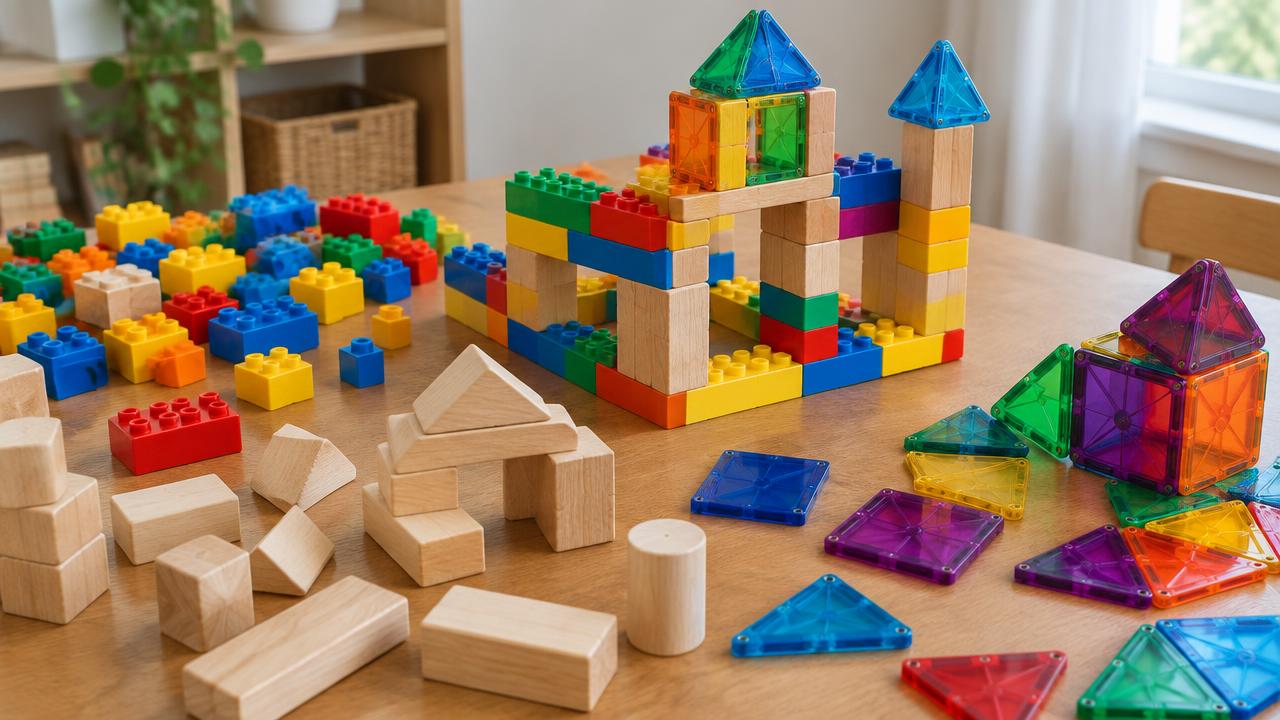
For decades, LEGO has dominated the construction toy market, sparking imagination and developing critical thinking skills in millions of children and adults worldwide. Its iconic interlocking brick system is synonymous with creative play and engineering marvels. However, the world of building toys is far broader and more diverse than just one brand. As consumers in the US and European markets increasingly seek novelty, sustainability, and unique play experiences, exploring alternatives to LEGOs has become an exciting endeavor. This comprehensive guide will delve into a rich tapestry of construction toys, highlighting various reasons why you might consider them and what makes each option special.
Whether you're looking for different tactile experiences, new building challenges, or simply want to explore what else is out there, there's a universe of innovative building systems ready to be discovered. From magnetic tiles that defy gravity to intricate wooden structures, these alternatives offer distinct benefits and can cater to a wider range of ages, interests, and developmental stages. Let's embark on this journey to uncover compelling new ways to build, create, and play.
Why Consider Alternatives to LEGOs?
While LEGO remains a beloved classic, there are several compelling reasons to explore other construction toy options. These reasons often revolve around enhancing specific aspects of play, addressing particular developmental needs, or simply introducing variety into a toy collection.
Expanding Creative Horizons
Different building systems inherently encourage different types of creativity. While LEGO excels in modular, structured building, other toys might promote organic shapes, fluid movements, or architectural scales that LEGO blocks aren't typically designed for. Introducing new building mechanics can spark fresh ideas and challenge builders to think outside conventional brick-stacking methods.
Diverse Sensory Experiences
The feel of plastic bricks is distinct, but imagine building with smooth wood, soft silicone, or the satisfying click of magnets. Alternatives to LEGOs often introduce varied textures, weights, and even scents, providing a richer sensory experience that can be particularly beneficial for younger children or those with sensory processing differences.
Targeting Specific Skills and Interests
Some construction toys are specifically designed to hone particular skills, such as advanced engineering principles, understanding of physics (e.g., balance, leverage), or artistic design. For children showing a keen interest in, say, magnetism or circuit building, a specialized alternative might be more engaging and educational than a general-purpose brick set.
Budget and Value Considerations
While some specialized alternatives can be high-end, many brands offer excellent value, providing large sets at competitive price points. For parents or educators looking to stock up on versatile building toys without the premium price tag often associated with licensed LEGO sets, exploring other brands can yield significant savings.
Sustainability and Eco-Friendly Options
Environmental consciousness is a growing concern for consumers. Many newer building toy companies prioritize sustainable materials like FSC-certified wood, bamboo, or recycled plastics. Opting for these eco-friendly alternatives to LEGOs allows consumers to make choices that align with their values.
Top Categories of Alternatives to LEGOs
The market is brimming with innovative construction toys. Here’s a breakdown of the most popular and impactful categories you should explore.
Magnetic Building Tiles & Blocks
Magnetic building toys have revolutionized open-ended play. Brands like Magna-Tiles, Connetix, and PicassoTiles offer brightly colored, translucent tiles with strong magnets embedded along their edges. These allow for quick, intuitive construction of both 2D designs and elaborate 3D structures. Kids can effortlessly build houses, cars, towers, and abstract sculptures. The ease of connection and disconnection makes them ideal for younger children developing fine motor skills, while older kids and adults enjoy their potential for complex geometric constructions.
- Benefits: Excellent for spatial reasoning, understanding magnetism, quick gratification, easy cleanup.
- Ideal for: Toddlers to early teens, promoting creativity and STEM concepts.
Wooden Building Blocks & Construction Sets
Long before plastic bricks, wooden blocks were the staple of constructive play. Today, modern wooden block sets go far beyond simple cubes. Brands like craftblockworld, Guidecraft, and Kapla offer precision-cut planks, unique shapes, and even interlocking systems made from sustainably sourced wood. These toys encourage balance, gravity, and imaginative architecture without the need for fixed connections. The tactile feel of wood is also a pleasant alternative to plastic, and they are incredibly durable.
- Benefits: Develops balance, hand-eye coordination, spatial awareness, natural aesthetic, durable and often eco-friendly.
- Ideal for: All ages, from toddlers learning stacking to adults creating intricate sculptures.
Interlocking Construction Systems (Non-LEGO)
Many brands offer their own unique interlocking brick or piece systems that provide a similar yet distinct building experience to LEGO. These systems often focus on different forms, flexibility, or scales. For instance:
Mega Bloks/Mega Construx
Particularly popular for younger children with larger, easier-to-handle blocks, Mega Bloks also offers more complex sets under the Mega Construx brand, often featuring licensed characters and themes. They are a staple when considering alternatives to LEGOs for introductory building.
K'nex
K'nex is a rod-and-connector system that excels in creating mechanical models, vehicles, and structures with moving parts. It's often favored for teaching engineering principles and understanding complex linkages.
Plus-Plus
These unique "plus" shaped pieces allow for both 2D mosaic-like creations and intricate 3D models. They are simple in design but offer immense creative potential, appealing especially to those who enjoy tessellations and geometric patterns.
Tegu Blocks
Tegu combines the classic appeal of wooden blocks with hidden magnets, offering a magical twist to traditional stacking. These beautiful, sustainable blocks allow for gravity-defying constructions and foster a unique understanding of magnetic forces.
- Benefits: Introduces diverse engineering principles, unique aesthetic, varied tactile feedback.
- Ideal for: Widely varied, depending on the specific system, covering preschool to adult builders.
STEM-Focused & Robotic Construction Kits
For those interested in going beyond basic construction into the realms of science, technology, engineering, and mathematics, there are numerous advanced kits. These include:
- Circuit Building Kits: Brands like Snap Circuits allow children to build working electronic circuits without tools, teaching fundamental electricity concepts safely.
- Robotics Kits: Many companies offer programmable robot kits that combine building with coding, appealing to older children and teenagers keen on robotics and automation.
- Marble Runs & Gear Sets: These sets focus on kinetic energy, gravity, and cause-and-effect, providing endless hours of engineering challenges.
These kits are excellent alternatives to LEGOs for fostering an early interest in STEM fields. For those seeking cutting-edge educational toys, remember to check out what craftblockworld has to offer in this exciting space.
Creative & Open-Ended Art Building Supplies
Sometimes, the best building toys aren't "kits" at all, but rather open-ended materials that encourage pure imaginative construction and artistic expression:
- Playfoam/Modeling Clay: Allows for free-form sculpting, strengthens hand muscles, and encourages tactile exploration.
- Pipe Cleaners & Pom Poms: Simple, inexpensive materials for crafting creatures, structures, and decorations, promoting fine motor skills and creativity.
- Straws & Connectors: Lightweight and versatile, these allow for constructing large, airy structures, domes, and bridges, often used in educational settings to teach structural engineering.
These options demonstrate that great creative play doesn't always need complex interlocking pieces; sometimes, simplicity unlocks the most profound imagination.
Choosing the Best Alternatives for Your Needs
With so many fantastic options available, how do you decide which alternatives to LEGOs are right for you or your family?
Consider Age and Developmental Stage
- Toddlers (1-3 years): Large, easy-to-grasp blocks (wooden, magnetic, or large plastic ones like DUPLO), soft building materials. Focus on safety (no small parts), sensory exploration, and basic stacking.
- Preschoolers (3-5 years): Magnetic tiles, smaller wooden blocks, interlocking bricks with simpler connections, early STEM kits like basic gears. Emphasis on imaginative play, fine motor development, and problem-solving.
- School-Aged Children (5-10 years): K'nex, advanced magnetic sets, more complex interlocking systems, introductory robotics or circuit kits. Focus on engineering concepts, narrative play, and following instructions or designing their own creations.
- Pre-Teens & Teens (10+ years): Advanced STEM kits, complex architectural models, detailed robotic systems, or even building with upcycled materials. Emphasis on skill development, challenge, and fulfilling specific interests.
- Adults: Many of the above, particularly complex wooden sets, high-end magnetic tiles for aesthetic builds, or intricate mechanical kits that offer a meditative and satisfying building experience.
Align with Interests
Does the builder love science? Look for STEM kits. Are they artistic? Consider open-ended art supplies or unique aesthetic building systems. Do they enjoy storytelling? Themed construction sets might be ideal. The best alternative will resonate with existing passions.
Durability and Safety
Always check for quality construction and material safety, especially for younger children. Look for non-toxic finishes, sturdy components, and adherence to safety standards (e.g., CE mark in Europe, ASTM in the US). Brands like craftblockworld prioritize these aspects, ensuring a safe and lasting play experience.
Open-Ended vs. Guided Play
Some children thrive on instructions and building models, while others prefer complete freedom to create anything they can imagine. Many alternatives to LEGOs offer a spectrum of experiences, from highly structured kits to completely open-ended material sets. Consider what type of play your child (or you!) enjoys most.
Storage and Cleanup
Building toys can take up space. Consider how easily the chosen alternative can be stored and cleaned up. Magnetic tiles often stack neatly, while large interlocking pieces might require dedicated bins.
The Evolving Landscape of Building Toys
The innovation in the building toy sector is constant. Manufacturers are incorporating new technologies, sustainable materials, and pedagogical approaches to create toys that are not only fun but also deeply enriching. As families and educators seek out fresh ways to engage young minds, the demand for high-quality alternatives to legos continues to grow. These toys do more than just entertain; they foster essential skills like problem-solving, spatial reasoning, fine motor development, and creative expression, preparing children for a future that values innovation and critical thinking.
From the satisfying clack of wooden blocks to the magical attraction of magnetic tiles, each alternative offers a unique pathway to creativity and learning. By embracing this diversity, we not only broaden our understanding of what "building" can be but also provide richer, more varied play experiences that can spark different talents and interests in every individual. The next great invention might just start with a block that isn't a LEGO.
Conclusion
While LEGO justly holds its place as a cornerstone of creative play, the world of construction toys is vast and exciting. Exploring alternatives to LEGOs opens up a myriad of opportunities for different types of building, sensory experiences, developmental skill-building, and even eco-conscious choices. Whether you opt for the compelling simplicity of magnetic tiles, the timeless appeal of wooden blocks, or the intricate mechanics of STEM kits, each option provides unique benefits. By considering age, interests, and desired learning outcomes, you can confidently select the perfect building companion to ignite imagination and foster a lifelong love for creation. Remember to explore the diverse products offered by brands like craftblockworld to discover innovative choices that go beyond the traditional building block experience.
Frequently Asked Questions (FAQ)
Why should I consider alternatives to LEGOs?
Considering alternatives to LEGOs can broaden creative horizons, offer new building challenges, introduce different material textures (like wood or magnetic), and sometimes provide more budget-friendly options. They can also cater to specific interests or age groups that standard LEGO sets might not fully address.
Are these alternatives compatible with LEGO bricks?
Generally, no. Most alternatives to LEGOs, especially those using different interlocking mechanisms or materials, are not designed to be compatible with standard LEGO bricks. Some brands may offer a limited degree of compatibility, but it's best to assume they are separate systems for optimal play.
What are the benefits of magnetic building tiles?
Magnetic building tiles promote spatial reasoning, understanding of magnetic forces, and creative construction with less emphasis on rigid interlocking. They allow for quick assembly and disassembly, making them excellent for younger children and for exploring geometric shapes and larger structures.
How do I choose the best LEGO alternative for my child?
Consider your child's age, interests, and developmental stage. Look for toys that align with their current fascinations (e.g., engineering, art, role-playing). Check reviews for durability and safety standards. A good starting point is often a versatile set that encourages open-ended play rather than a highly specialized one.
Are there eco-friendly building toy options available?
Yes, many companies now offer eco-friendly building toys made from sustainable materials like FSC-certified wood, bamboo, or recycled plastics. These options provide a durable and often aesthetically pleasing alternative while supporting environmental consciousness.