How to Build a Stunning Heavenly Court Architecture Set
Building a large architectural model is one of the most rewarding challenges a brick hobbyist can take on. When that model recreates the towering halls and golden rooftops of a mythical imperial palace, the payoff climbs even higher. **Heavenly court architecture** sets combine dense detail, layered structures, and cultural storytelling into a single build that can take days to finish and years to admire.
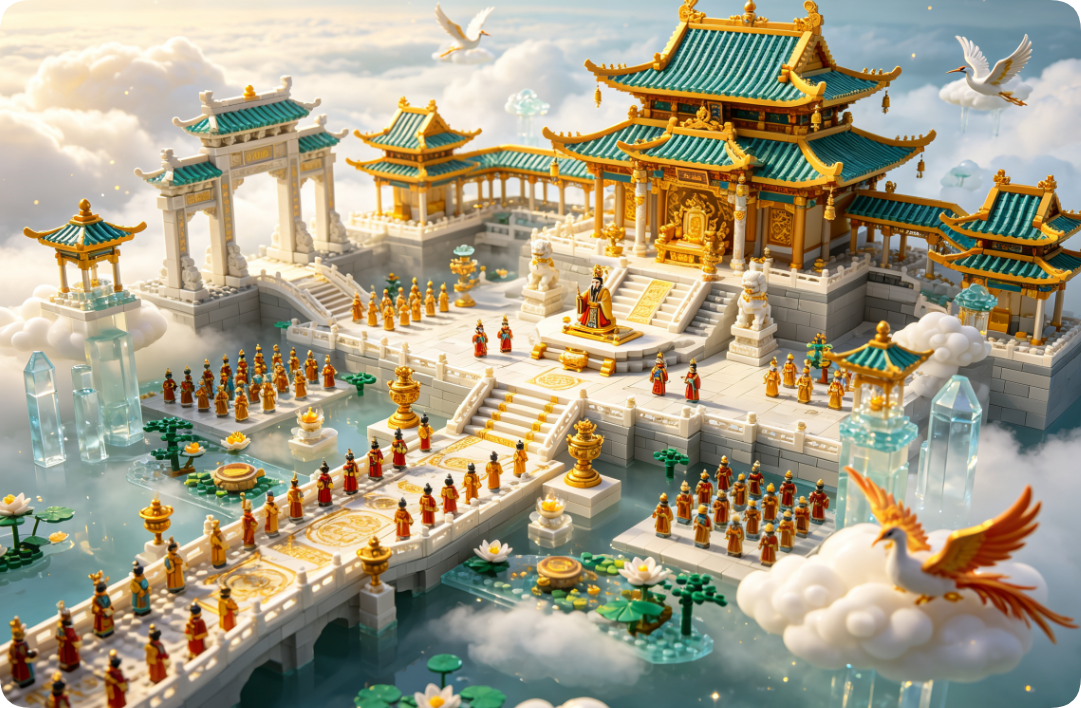
Building a large architectural model is one of the most rewarding challenges a brick hobbyist can take on. When that model recreates the towering halls and golden rooftops of a mythical imperial palace, the payoff climbs even higher. Heavenly court architecture sets combine dense detail, layered structures, and cultural storytelling into a single build that can take days to finish and years to admire.
This guide walks you through the full process—from unboxing to display. You'll learn how to prep your workspace, sort thousands of pieces efficiently, tackle complex sub-assemblies, and finish with a display-ready centerpiece. We'll also cover the history behind these designs, common mistakes to avoid, and expert tips to sharpen your technique.
Why Heavenly Court Sets Are Worth the Challenge
These builds sit at the top end of the difficulty scale. A full palace kit can carry 3,000 to 6,000 pieces, multiple modular buildings, and advanced techniques like SNOT (studs not on top) construction, angled walls, and micro-detailing.
For adult builders, that complexity is the appeal. Every tier of a pagoda roof, every carved bracket, and every symmetrical courtyard tests your patience and precision. The Celestial emperor model line in particular rewards builders who enjoy problem-solving over speed.
Beyond the fun, there's real learning baked in. Architecture kits teach structural engineering principles—load distribution, cantilevering, and modular design—making them a favorite among engineers, designers, and STEM-focused families. You can browse the full range of designs on the craftblockworld product catalog to compare piece counts and complexity levels.
Quick takeaway: Choose a set that matches your skill level. Bigger isn't always better if it's your first architectural build.
Step 1: Prepare Your Workspace
A good build starts before you open a single bag. Give yourself room to work and sort.
- Clear a flat surface at least twice the footprint of the finished model.
- Use sorting trays or small cups for grouping pieces by color and size.
- Set up good lighting—overhead plus a task lamp reduces eye strain during long sessions.
- Keep the instruction booklet flat and within easy reach, or open the digital version on a tablet.
Common mistake: Dumping every bag into one pile. Numbered bags exist for a reason. Open them in order and sort only what you need for the current stage.
Step 2: Sort and Inventory Your Pieces
Most quality kits number their bags to match build stages. Before you begin:
- Lay out the numbered bags in sequence.
- Open only the bag for your current step.
- Sort pieces by shape and color into your trays.
- Set aside spare parts—manufacturers include extras of small elements.
Pro tip: Keep a magnetic dish for the tiniest pieces—1x1 tiles and clips love to disappear into carpet.
Step 3: Build the Foundation First
Every palace needs a stable base. The foundation modules carry the weight of everything above, so accuracy here matters most.
Work in Layers
Follow the instructions layer by layer without skipping ahead. Architectural bases often use interlocking plates that lock the structure together—miss one connection and later tiers won't align.
Check Symmetry Constantly
Imperial designs are built on strict symmetry. Pause every few steps to confirm both sides mirror each other. A single misplaced plate on a foundation can throw off the entire roofline later.
Test Stability
Before moving up, gently lift and shift the base. It should feel solid with no flexing. If it wobbles, recheck your connections.
Key takeaway: A rushed foundation is the number one cause of frustration in large builds. Slow down here and the rest goes faster.
Step 4: Construct the Walls and Columns
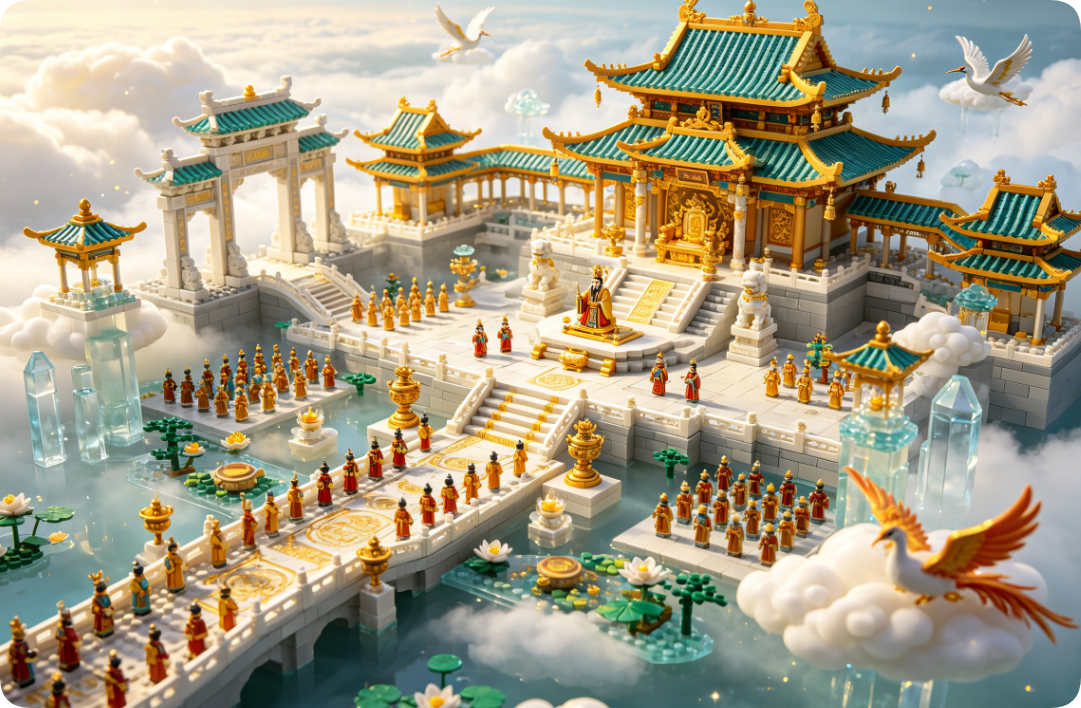
With the base locked in, you'll move to the vertical structures. This is where Heavenly court architecture kits start to shine, thanks to their ornate columns and decorative wall panels.
- Build columns as identical sub-assemblies. Make all of them before placing any, so they match perfectly.
- Watch for SNOT techniques. Many wall details face sideways or downward. Read each step carefully to catch orientation changes.
- Dry-fit angled sections before pressing them fully home, especially on curved or splayed walls.
Step 5: Assemble the Iconic Roofs
The roof is the signature feature of any palace build. Sweeping eaves, upturned corners, and tiered layers define the silhouette of East Asian imperial architecture.
Build Roof Sections Separately
Complete each roof tier as its own module. Trying to build them in place invites mistakes and knocked-loose tiles.
Master the Curved Eaves
Upturned corners rely on hinge plates and angled connections. Take your time aligning these—they're the detail viewers notice first.
Layer the Roof Tiles
Overlapping tile work creates the ridged texture of traditional roofs. Work in rows and double-check alignment before locking each layer.
The tiered roof of a Celestial emperor model can contain hundreds of individual tiles. It's slow work, but the finished ripple effect is what earns these models a spot in display cabinets and community galleries alike.
Common mistake: Forcing curved sections into position. If a piece resists, recheck the previous step rather than pushing harder.
Step 6: Add Fine Details and Ornaments
Details turn a good model into a showpiece. This final construction phase includes:
- Roof finials and ridge beasts
- Lattice windows and carved screens
- Courtyard elements like lanterns, bridges, and gates
- Decorative color accents in gold and vermilion
Want inspiration for finishing touches and creative modifications? The community gallery is packed with completed builds showing custom lighting, weathering effects, and expanded courtyard layouts.
Step 7: Final Inspection and Display
You're almost there. Before you call it done:
- Walk around the model and check every angle for gaps or loose tiles.
- Press down gently across the structure to seat any partial connections.
- Clean off dust with a soft brush or a can of compressed air.
- Choose a display spot away from direct sunlight, which can fade colored pieces over time.
Key takeaway: A great build deserves a great display. Lighting and placement can double the visual impact of your finished palace.
The Cultural Story Behind Your Build
Part of what makes these sets special is the history they represent. Imperial Chinese architecture followed strict rules of hierarchy, symmetry, and symbolism.
- Color mattered. Yellow roof tiles were reserved for the emperor, while red symbolized fortune and power.
- Numbers carried meaning. The count of ridge beasts on a roof signaled the building's importance.
- Orientation followed cosmology. Palaces were aligned along a north-south axis, with the most important halls facing south.
Expert Tips for a Cleaner Build
A few habits separate casual builders from seasoned pros:
- Build in focused sessions. Fatigue leads to misreads. Take breaks every hour.
- Photograph tricky steps before moving on, so you can retrace if something falls apart.
- Keep a brick separator handy. You'll need it for correcting mistakes without damaging pieces.
- Join the conversation. Sharing progress photos and getting feedback keeps motivation high and sharpens your skills.
Common Mistakes to Avoid
Even experienced builders slip up. Watch for these:
- Skipping the sort phase and losing time hunting for pieces.
- Rushing the foundation, which throws off everything above.
- Ignoring symmetry checks until it's too late to fix cleanly.
- Attaching fragile details too early and knocking them loose.
- Storing the model in sunlight, causing color fade.
Ready to Start Your Own Palace?
Building a Heavenly court architecture set is a genuine achievement—part engineering challenge, part cultural journey, and part art project. With the right prep, a patient approach, and attention to symmetry, you'll end up with a centerpiece worth showing off.
Start with a workspace, sort by numbered bags, build from the foundation up, and save the fragile details for last. Then display your palace proudly and share it with fellow builders.
Ready to build your dream model? Explore the full collection at craftblockworld and pick the palace that matches your skill level.
Frequently Asked Questions
How long does it take to build a Heavenly court architecture set?
It depends on piece count and your experience. Smaller sets take 6 to 10 hours, while large multi-building palaces with 4,000+ pieces can take 20 to 40 hours across several sessions. Building in short, focused blocks helps maintain accuracy and enjoyment.
Are these sets suitable for beginners?
Larger palace kits are best suited to intermediate and advanced builders. If you're new, start with a smaller architectural set to learn techniques like SNOT construction and roof tiling first. Detailed instructions and an active builder community make it easier to progress at any level.
Are the pieces compatible with other major building block brands?
Yes. Quality building block sets use standardized dimensions that clip together with mainstream brands. This makes it easy to combine kits, source extra pieces, or add custom modifications to your palace.
How do I keep my finished model dust-free?
Display it away from direct sunlight and use a soft brush or compressed air for regular cleaning. For long-term protection, a clear acrylic display case keeps dust off intricate roof tiles and shields fragile finials.
What's the best way to display a completed Celestial emperor model?
Choose a stable, flat surface at eye level or slightly below, so viewers can appreciate the tiered roofline. Add subtle LED lighting to highlight architectural details, and keep it out of high-traffic areas to protect delicate ornaments.