How to Plan and Build a Futuristic City Display Using Non-LEGO Brick Brands
Plan, budget, and style an ambitious futuristic city display with non-LEGO brick brands — quality checks, compatibility, trustworthy sellers, color palettes, lighting, and zoning strategy.
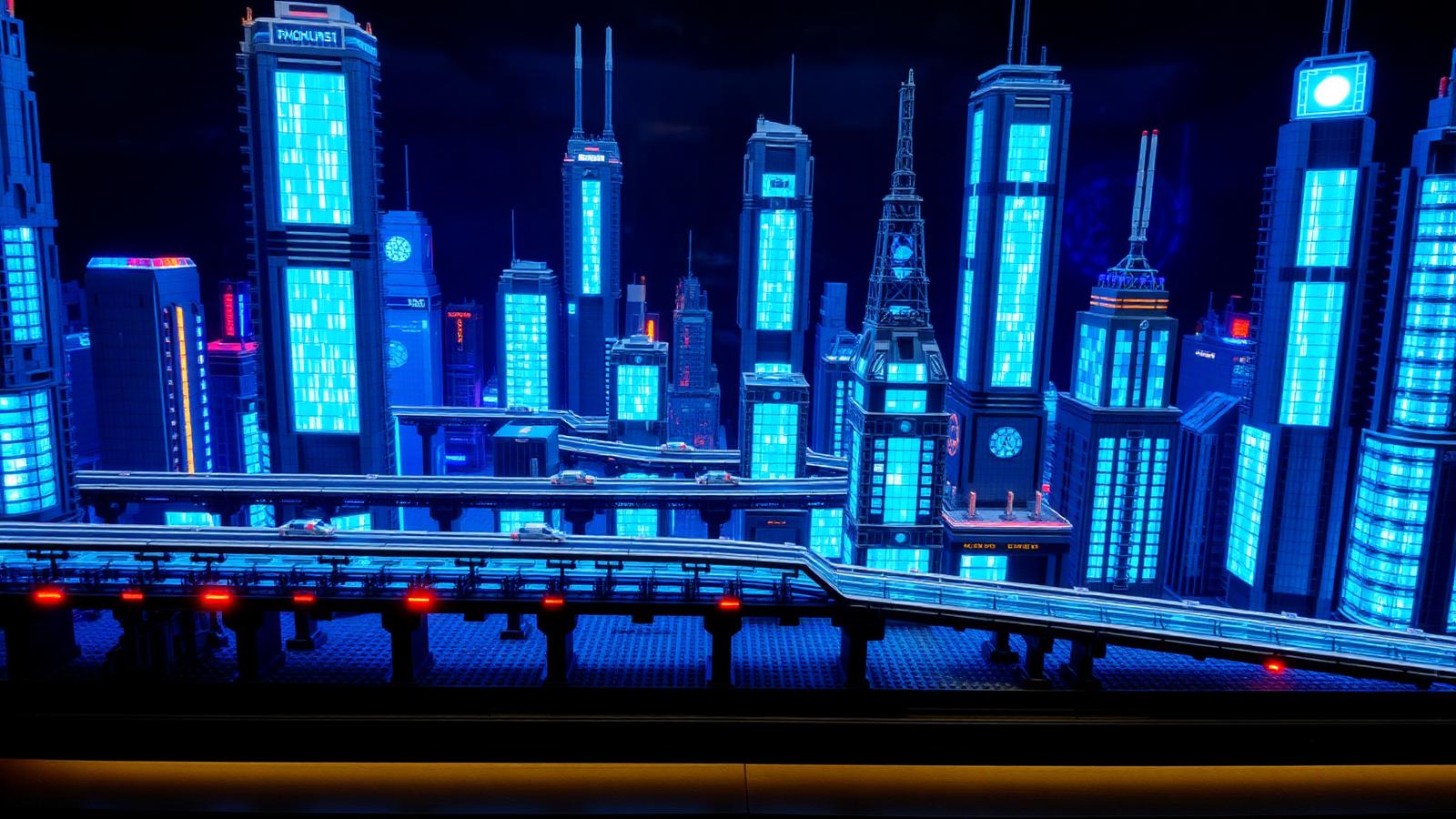
Building a futuristic city from scratch is one of the most ambitious and satisfying projects in the brick-building hobby. Sleek skylines, glowing transit systems, elevated walkways, modular towers — the concept pulls from science fiction, architecture, and personal imagination all at once.
The challenge most builders hit early is cost. A single official set can run $150–$400. A full futuristic cityscape? You are looking at thousands before you have even laid the baseplate. That is where non lego brands come in. This guide walks you through every stage: evaluating brick quality, verifying compatibility, finding trustworthy sellers, balancing your budget, and styling a futuristic layout that holds together visually and structurally.
Quick takeaways before you dive in:
- Brick quality varies significantly across alternative brands — knowing what to look for saves money and frustration
- Most major alternative brands are fully compatible with official LEGO geometry
- A futuristic city build rewards modular planning more than any other theme
- Buying from the right seller matters as much as buying the right set
Why Builders Are Moving Beyond LEGO for City Projects
The official lego futuristic city aesthetic — sharp angles, translucent blues and greens, modular architecture — is visually compelling. But official sets in that style are limited, expensive, and frequently retired. Non lego brands like Cada, Wange, CaDA TECHNIC, and the sets in our alternative brick catalog are designed specifically for adult builders chasing scale and complexity.
What Futuristic City Actually Means in a Build Context
- Neon-lit dystopia — dark structures, LED accents, dense urban layering, Blade Runner or Cyberpunk 2077
- Clean utopia — white and silver modular towers, elevated walkways, monorails
- Industrial megastructure — exposed piping, mech bays, launch pads, utility aesthetic
Committing to one visual direction early keeps your layout coherent and your parts list manageable.
Step 1 — Evaluate Brick Quality Before You Commit to a Brand
Clutch Power: The Real Quality Test
Clutch power — the resistance between two studs — is the single most important quality indicator. Too loose and structures wobble; too tight and you risk cracking fine pieces. The best non lego brands match official LEGO tolerances closely. Brands like Wange, Cada, and several CaDA TECHNIC lines are consistently cited in builder communities for this.
- Check builder forums and Reddit threads (r/lepin, r/lego, r/buildingblocks) for brand-specific clutch feedback
- YouTube review channels — search the set name + "review"
- Piece count vs. price — if a 2,000-piece set is $18, assume quality trade-offs
Translucent and Specialty Parts
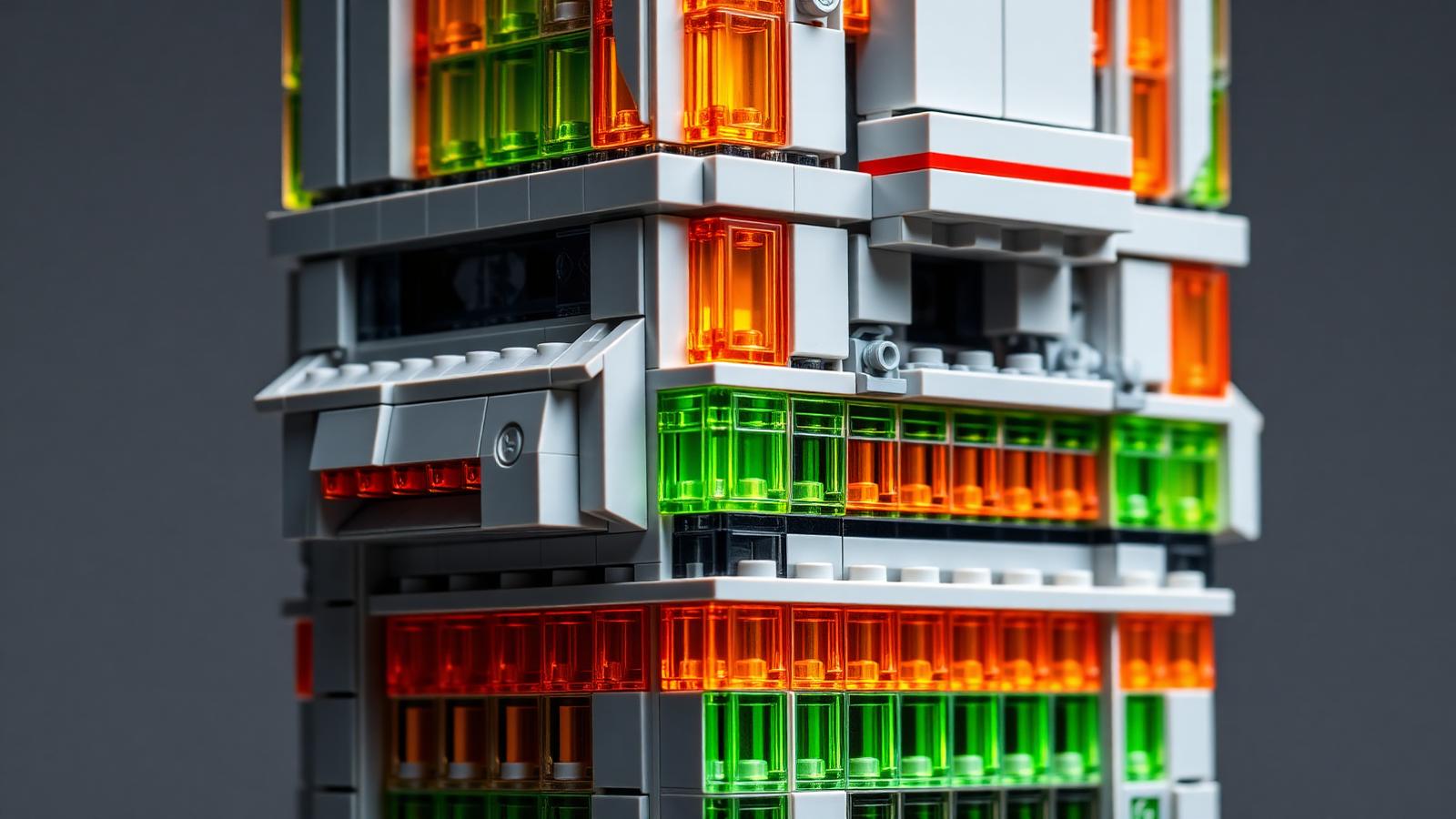
Futuristic city builds lean heavily on translucent pieces — windows, light bricks, canopy elements. Look at community photos of the translucent elements before buying. Cloudiness, warping, or color inconsistency is common in lower-tier production runs.
Step 2 — Verify Cross-Brand Compatibility
The Standard Geometry
Official LEGO uses a stud diameter of 4.8mm and a module height of 9.6mm. Most reputable non lego brands match these dimensions. Compatibility problems show up most in:
- Technic axles and pins — stick to one brand per mechanical subsystem
- Flex tubing and soft goods
- Minifigure accessories
Baseplate Strategy
For a large display, test a sample baseplate from any new brand before ordering ten. Our adult building block collection includes community-tested options.
Step 3 — Choose Trustworthy Sellers and Avoid Counterfeits
In European markets, contrefaçon lego (LEGO counterfeits) describes unlicensed knock-off bricks sold deceptively as genuine LEGO. This is legally and practically different from purchasing alternative brands sold openly as third-party products.
- Legitimate alternatives are sold with their own branding, full packaging, and piece lists
- Contrefaçon lego products use misleading labels, fake serial numbers, or packaging that imitates official products
Red Flags
- Sets with no brand name or only "compatible with LEGO" as identifier
- Price-per-piece below $0.04
- Seller has limited or suspicious reviews
- Photos showing official LEGO packaging at 30–40% of retail
Green Flags
- Dedicated hobby retailers or brand storefronts
- Clear brand names (Cada, Wange, MOULD KING)
- Community recognition by brand name
- Clear missing-piece replacement policies
For more brand context, see our guide to non-LEGO alternative brands.
Step 4 — Balance Budget Against Design Ambition
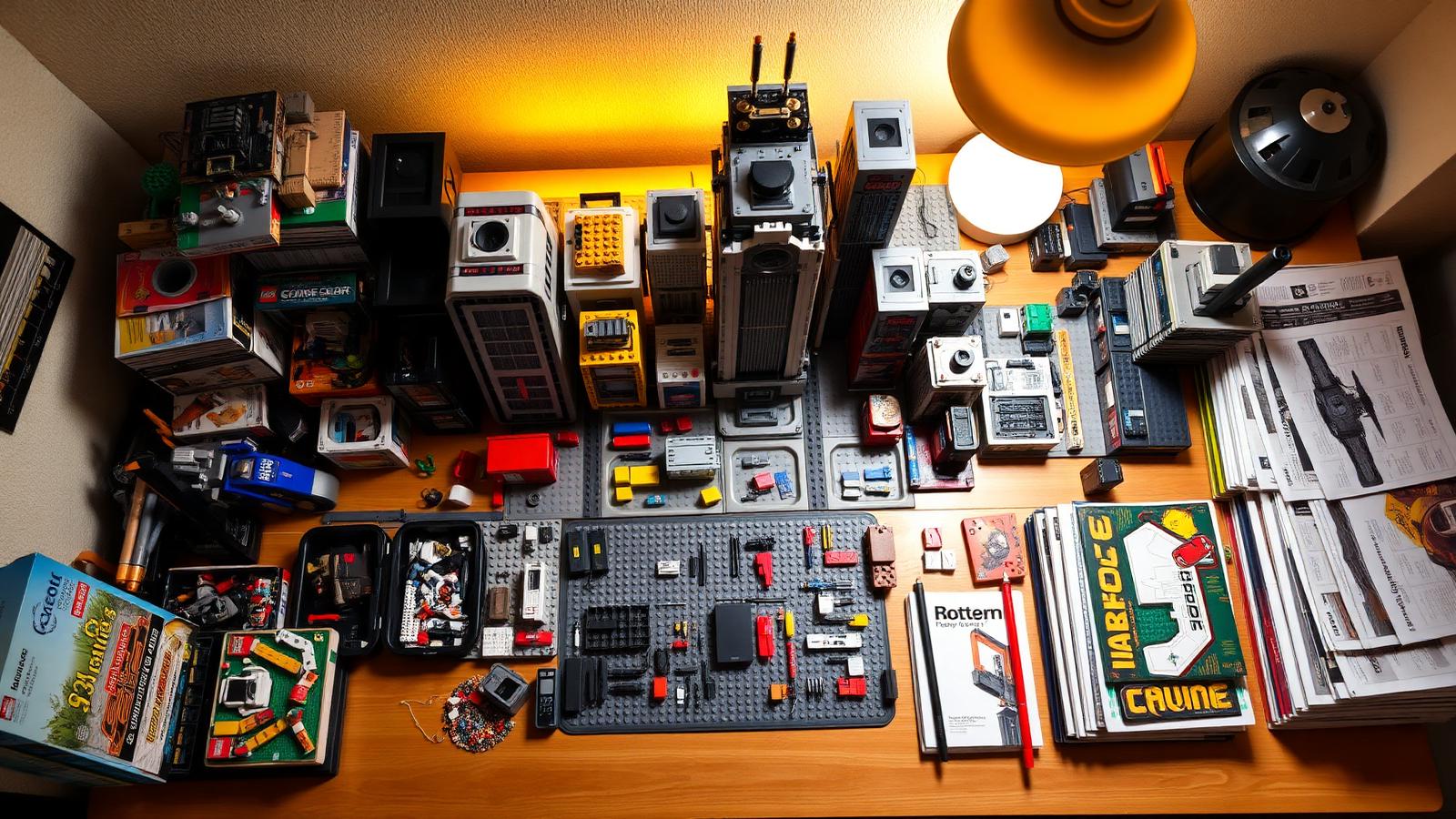
Build in Zones, Not All at Once
- Central tower district — 3–5 tall structures, focal point
- Transport hub — monorail, landing pads, elevated walkways
- Mid-rise block — lower buildings for depth variation
- Perimeter infrastructure — walls, energy stations, outer defenses
Cost-Per-Piece Benchmarks
| Tier | Cost per piece | Typical quality |
|---|---|---|
| Budget / unknown brands | <$0.03 | Inconsistent clutch, variable color |
| Mid-tier alternatives | $0.04–$0.07 | Reliable for display builds |
| Premium alternatives | $0.08–$0.12 | Close to official quality |
| Official LEGO | $0.11–$0.16 | Benchmark standard |
Piece-Count Planning
A dense 32x32 stud section typically requires 500–1,500 pieces. A full 4-section display runs 4,000–8,000 pieces.
Step 5 — Style Your Futuristic City for Visual Impact
Establish a Color Palette and Hold to It
- Neon dystopia: Dark bluish grey base, black accents, trans-neon orange or green glow
- Clean utopia: Light bluish grey or white base, silver and medium azure, trans-clear glazing
- Industrial megastructure: Dark tan, dark bluish grey, dark orange, olive green
Vertical Variation is Non-Negotiable
- Street level — roads, plazas, ground infrastructure
- Mid-level — elevated walkways, second-tier entries, transit lines
- Skyline — towers, broadcast structures, aerial elements
Lighting Adds What Bricks Cannot
Focus battery-powered LED lighting on central tower interiors, ambient strips under elevated platforms, and accent pieces — signage, energy conduits, landing lights.
Minifigures Set the Scale
Minifigures ground the scene and communicate scale. Most reputable non lego brands include themed minifigures with city-scale sets.
Conclusion: Build Smart, Build Big
Define your aesthetic, zone your build, evaluate brands on clutch quality and compatibility, buy from sellers with clear branding, and plan your color palette before your first purchase. The lego futuristic city look is achievable at a fraction of official set prices with the right non lego brands. Avoid contrefaçon lego products masquerading as official sets. For workflow strategies, see our master adult building block guide.
FAQ
Q: Are alternative brick brands safe to mix with official LEGO sets in the same display?
A: Yes for display builds. Avoid mixing brands within the same mechanical subassembly.
Q: What is the difference between contrefaçon lego and legitimate non-LEGO brands?
A: Contrefaçon lego refers to counterfeit products sold deceptively under LEGO branding. Legitimate non-LEGO brands are sold openly under their own names.
Q: How many pieces do I need to start a futuristic city build?
A: A single 32x32 zone uses 800–1,500 pieces. Start with a 1,000–1,500 piece set.
Q: Which features matter most for brick quality?
A: Clutch power, color consistency for translucent pieces, and flat baseplates.
Q: Is it worth buying LED lighting systems?
A: Yes — LED lighting dramatically elevates translucent futuristic elements.