Illuminate Your Creations: The Ultimate Guide to Brick Lights
Discover how brick lights can transform your building block creations. Learn about types, installation, creative uses, and why they're essential for hobbyists and professionals alike.
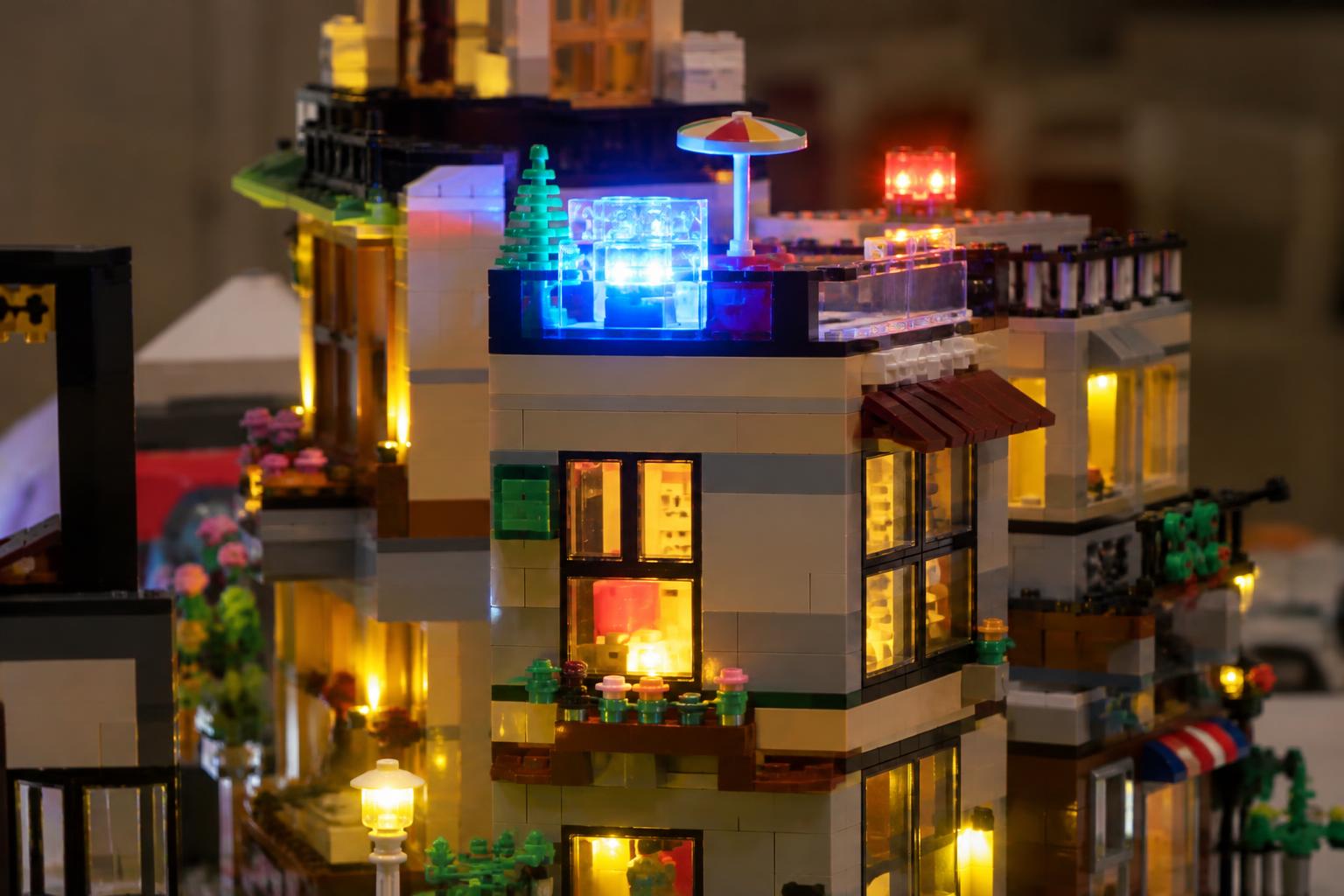
Building block creations, whether intricate architectural models, sprawling cityscapes, or dynamic vehicles, captivate imaginations across all ages. Yet, often, these masterpieces remain static, lacking a crucial element that brings them truly to life: light. This is where brick lights come into play, transforming ordinary constructions into extraordinary, glowing spectacles. Designed specifically to integrate seamlessly with popular building block systems, these miniature LED components unlock a new dimension of creativity and realism for enthusiasts and professional builders alike. From subtle ambient glows to striking spotlights, the power of illumination elevates every detail, making your models pop with unparalleled vibrancy.
In this comprehensive guide, we will delve into the fascinating world of brick lights. We'll explore their various types, discuss their practical benefits, walk through installation techniques, and inspire you with creative applications. Furthermore, we'll offer insights into choosing the right lighting solutions for your projects and highlight why investing in quality products from trusted suppliers like craftblockworld can make all the difference. Get ready to illuminate your imagination and see your building block creations in a whole new light.
What Are Brick Lights and Why Are They Essential?
At their core, brick lights are specialized small-scale LED lighting systems designed to be integrated directly into your building block models. Unlike generic string lights or external lamps, these components are engineered for precision fitting, often mimicking the size and shape of standard studs or bricks, ensuring a seamless and unobtrusive setup. They comprise tiny LEDs, thin connecting wires, and various power sources, all designed to maintain the aesthetic integrity of your model while providing brilliant illumination.
The Transformative Power of Illumination
The impact of adding lights to a building block creation is profound. It's not merely about brightness; it's about atmosphere, detail, and storytelling. Consider a bustling LEGO city street; with carefully placed brick lights, windows glow warmly, streetlights cast realistic shadows, and vehicles become beacons in the night. A static model of a spaceship gains dynamic thrust effects, and a haunting castle takes on an eerie glow. Light draws the eye, highlights intricate details that might otherwise be overlooked, and creates depth and dimension that flat plastic alone cannot achieve.
- Enhanced Realism: Lights add a lifelike quality to models, mimicking real-world environments.
- Increased Visual Appeal: Illuminated models are inherently more attractive and engaging, especially in low-light conditions.
- Highlighting Details: Strategic lighting can draw attention to specific features, intricate designs, or minifigure actions.
- Mood and Atmosphere: Different colors and intensities of light can evoke distinct moods, from cozy to dramatic.
- Dynamic Displays: Flashing, pulsing, or color-changing lights can create dynamic effects, bringing movement to static displays.
Types of Brick Lights and Components
The market for brick lights offers a surprising variety of components, each serving a specific purpose. Understanding these types will help you select the best options for your particular project.
Individual LED Bricks and Boards
These are perhaps the most straightforward type. Individual LED bricks are often pre-wired with a single tiny LED encapsulated within a small, transparent block element designed to fit directly onto or between studs. LED light boards, on the other hand, are miniature circuit boards embedded with multiple LEDs, sometimes offering sequential or flashing patterns, and can be hidden within larger constructions.
Strip Lights and String Lights
For lighting longer areas, such as the interior of buildings, under eaves, or along pathways, LED strip lights are ideal. These flexible strips have multiple LEDs closely spaced and can be cut to length. String lights, similar to miniature holiday lights, offer more flexibility for wrapping around objects or threading through complex structures. They provide a softer, more diffused glow suitable for ambient lighting.
Spotlights and Headlights
When you need to direct focused light onto a specific area or simulate headlights on a vehicle, dedicated spotlights are essential. These often come with a small lens to concentrate the beam and can be mounted in various ways to achieve the desired effect. From illuminating a minifigure's face to creating powerful vehicle lights, spotlights add a professional touch.
Connecting Wires and Cables
The backbone of any lighting system, these ultra-thin wires (often copper coated in insulating material) connect the LEDs to the power source. They are designed to be thin enough to run between building blocks without causing undue stress or affecting connections. Different lengths and connector types are available to accommodate various wiring needs.
Power Sources and Control Boards
Brick lights typically draw power from:
- USB Power: A popular choice, allowing connection to USB wall adapters, power banks, or computer USB ports. This offers convenience and often longer run times.
- Battery Packs: Various battery boxes, utilizing AA, AAA, or coin cell batteries, provide portable power for smaller or untethered models.
- Control Boards: Advanced kits may include control boards that allow for effects like dimming, flashing, or color changing, often operated by small buttons or even remote controls.
Installation: Bringing Your Models to Life
Installing brick lights might seem daunting initially, but most systems are designed for surprisingly easy, non-destructive integration. The key is planning and patience.
Pre-Installation Planning
Before you even open the light kit, it's crucial to have a plan. Consider:
- Areas to Illuminate: Which parts of your model do you want to highlight? Windows, interiors, engines, character elements?
- Light Intensity and Color: Do you need bright, white lights for a modern building, or warm, yellow lights for a cozy cottage? Perhaps blue for water effects or red for danger signals?
- Wire Routing: Where will the wires run? They need to be hidden as much as possible, often by guiding them between studs or through hollow bricks.
- Power Source Location: Where will your battery pack or USB cable be discreetly placed?
General Installation Steps
- Disassemble as Needed: You'll likely need to partially disassemble sections of your model to lay wires and place lights. Work in small sections.
- Place Lights: Position the individual LED bricks, light strips, or spotlights where desired. Ensure they fit snugly without forcing.
- Route Wires: Carefully run the thin wires along existing brick lines, often under or between bricks. Use specialized tools or even just a brick separator to gently lift bricks and tuck wires. Avoid pinching or kinking the wires, as this can damage them.
- Connect Components: Plug the wires from the lights into the expander boards or directly into the power source, following the kit's instructions. Pay attention to polarity if relevant.
- Reassemble: Carefully reassemble the sections of your model, ensuring wires are not exposed unnecessarily and that all bricks connect properly.
- Test and Tweak: Connect to power and test your lights. Adjust placement or wiring if needed to achieve the best effect.
Tips for Clean and Professional Installation
- Use Brick Separators: These are invaluable for gently prying apart bricks to route wires without damaging the model or the wires.
- Adhesive Squares: Some kits provide small adhesive squares to secure wires or light boards in place, especially in areas where they might shift.
- Cable Management: Try to group wires together where possible and use small ties or clips if your kit includes them. The cleaner the wiring, the better the final display.
- Patience is Key: Don't rush the process. A careful and methodical approach will yield the best results and prevent frustration.
- Consult Instructions: Always refer to the specific instructions provided with your brick lights kit. They're tailored to that particular product and often contain valuable design-specific tips.
Creative Applications of Brick Lights
The true magic of brick lights lies in their ability to unlock boundless creative possibilities. They are not just for basic illumination; they are tools for storytelling, atmosphere creation, and dynamic display.
Architectural Models and Cityscapes
Bring your miniature cities to life with glowing windows, illuminated streets, and dazzling skyscrapers. Use warm white lights for residential areas, cool white for modern offices, and colored lights for neon signs or specific landmarks. Imagine a bustling metropolitan scene at dusk, each building alight with its unique character, or a grand castle bathed in an ethereal glow. Products from craftblockworld offer specialized kits for popular architectural sets, ensuring perfect fit and optimal effect.
Vehicles and Spaceships
Add functional headlights, taillights, cockpit lights, and engine glows to land vehicles, aircraft, and spacecraft. Flashing lights can simulate emergency vehicles, while subtle pulsating lights can mimic reactor cores or atmospheric thrusters. A spaceship with illuminated engines and glowing navigation lights looks infinitely more impressive than its unlit counterpart.
Character and Scene Enhancement
Create dramatic lighting for minifigure scenes. Highlight a specific character, simulate a campfire, or cast eerie shadows for a spooky diorama. Use small LED elements to give characters glowing eyes or light-up accessories, adding a layer of animated detail to static figures.
Display and Photography
For those who photograph their creations, brick lights are indispensable. They provide natural, integrated light sources that enhance depth and drama, making your photos stand out. Illuminated models are also exceptional for display, transforming a static collection into a captivating centerpiece, especially in a dimly lit room.
Interactive Builds
Combine lights with sensors or switches to create interactive elements. Imagine a light turning on when a door opens, or a sequence of lights activating when a lever is pulled. While more advanced, this adds a playful and engaging dimension to your builds.
Choosing the Right Brick Lights and Supplier
With a growing market, selecting the best brick lights can be overwhelming. Here's what to consider:
Compatibility
Ensure the lights you choose are compatible with your building block system. Most are designed for LEGO, but it's always good to check. Some companies, like craftblockworld, even offer custom-designed kits for specific official sets, guaranteeing a perfect fit and integrated wiring plan.
Quality and Durability
Opt for lights made with high-quality LEDs and durable, thin wires. Cheap lights can burn out quickly, and poorly insulated wires can be fragile. Look for products that emphasize longevity and safe operation. Brightness and consistent color output are also indicators of quality.
Ease of Installation
For beginners, kits with clear, step-by-step instructions and modular components are ideal. More experienced builders might prefer individual components for custom projects. Consider whether the wires are flexible and thin enough to be easily routed.
Power Options
Decide whether USB power, battery power, or a combination best suits your display needs. USB offers continuous power for permanent displays, while batteries provide portability for models that might be moved frequently.
Range of Available Components
A good supplier will offer a wide array of lights (individual LEDs, strips, spotlights), connectors, and accessories (control boards, power switches). This allows for greater flexibility in design and expansion of your lighting system.
Customer Support and Community
Choose a supplier that offers good customer support and has a strong community presence. This indicates reliability and provides resources if you encounter issues or need inspiration. Companies like craftblockworld often provide tutorials and showcase user creations, fostering an engaging environment.
Beyond the Basics: Advanced Lighting Techniques
Once you've mastered the fundamentals, you can explore more advanced lighting techniques to truly make your creations shine:
- Dimming and Brightness Control: Some advanced kits or custom setups allow you to adjust the brightness of individual or groups of lights, creating subtle gradients and depth.
- Color Cycling and Effects: RGB LEDs (Red, Green, Blue) can produce a vast spectrum of colors. With a suitable controller, you can create dynamic color-changing effects, pulsating glows, or specific light sequences.
- Fiber Optics: For extremely small and precise lighting, fiber optics can be threaded through tiny holes, delivering light from a remote LED to a specific point without needing to place the LED directly. This is excellent for detailed instrument panels or distant stars.
- Proximity Sensors: Integrate small sensors that trigger lights when an object or hand approaches, adding an interactive surprise element to your display.
- Sound-Activated Lights: For truly immersive models, consider linking lights to a sound sensor, causing them to pulse or change in response to audio cues.
The Future of Building Block Illumination
The world of brick lights is continuously evolving. We can expect to see advancements in:
- Even Smaller and More Discreet Components: As LED technology progresses, lights will become even tinier, allowing for more intricate and hidden installations.
- Wireless Power Solutions: Imagine lights that draw power wirelessly from a base plate, eliminating the need for visible wires entirely (though this technology is still in its infancy for this scale).
- Smarter Integration: Greater integration with smart home systems or app-controlled features could allow users to control their model's lighting from their phones, creating custom light shows.
- Easier Modular Systems: Manufacturers will likely continue to innovate with user-friendly, plug-and-play systems that require minimal technical knowledge.
Conclusion
Brick lights are more than just accessories; they are game-changers for anyone passionate about building blocks. They transform static models into dynamic, living displays, adding realism, atmosphere, and an undeniable "wow" factor. Whether you're illuminating a meticulously crafted architectural marvel, bringing a futuristic vehicle to life, or setting a dramatic scene for your minifigure adventures, the power of light is unparalleled.
By understanding the different types of lights, planning your installation carefully, and choosing quality products from reputable suppliers like craftblockworld, you can elevate your building block creations to new heights. So, don't let your masterpieces languish in the dark. Embrace the illuminating possibilities that brick lights offer and watch your imagination truly shine.
Frequently Asked Questions (FAQ)
What are brick lights?
Brick lights are miniature LED lighting components specifically designed to integrate with building blocks like LEGO. They allow you to illuminate your creations, adding realism, atmosphere, and dynamic visual appeal.
Are brick lights difficult to install?
Most brick lights are designed for easy, non-destructive installation. They typically involve small LED bricks, strips, or wires that fit between or under standard building blocks without requiring glue or permanent modification. Many kits come with detailed instructions.
Can I use brick lights with any building block set?
While primarily designed for LEGO and compatible systems, the versatility of brick lights means they can often be adapted for various building block setups. However, checking compatibility with specific brands or custom builds is always recommended for optimal fit.
What are the power options for brick lights?
Common power options include USB power (via power banks or wall adapters), battery packs (AA, AAA, or coin cell batteries), and sometimes direct connection to mains power through a transformer. USB is often preferred for longer display times and convenience.
Where can I buy high-quality brick lights?
Reputable online retailers specializing in building block accessories are the best place to find high-quality brick lights. Brands like craftblockworld offer a wide selection of kits and individual components tailored for various popular sets and custom projects.