Magic Blocks Creative World
Collectors are transforming shelves into miniature engineering museums. At the center of this movement is a powerful idea: magic blocks.
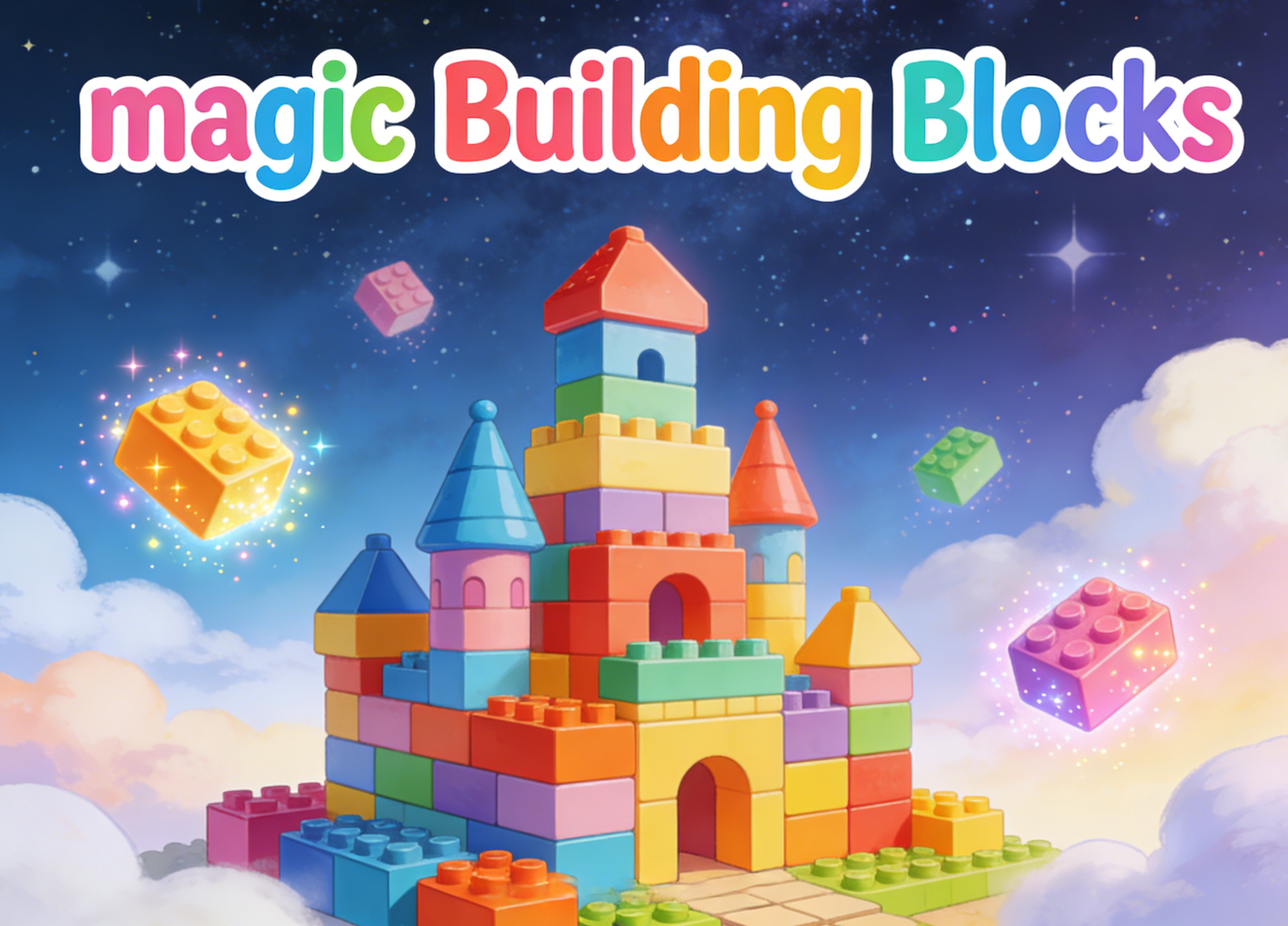
Across North America and Europe, a quiet creative renaissance is unfolding in living rooms, studios, garages, and classrooms. Adults who once built imaginative cities as children are returning to their childhood passions. Families are rediscovering the joy of hands-on creativity. Collectors are transforming shelves into miniature engineering museums. At the center of this movement is a powerful idea: magic blocks.
The phrase magic blocks captures something deeper than a toy. It represents imagination turned tangible, creativity structured through design, and nostalgia reawakened through building. What once began as simple childhood play has grown into a sophisticated hobby culture involving architecture, engineering, art, and storytelling.
For thousands of builders across the United States, Canada, the United Kingdom, Germany, France, and Scandinavia, magic blocks are not merely plastic pieces. They are instruments of creativity that transform ordinary moments into extraordinary acts of imagination.
And in the expanding ecosystem of craftblockworld, builders now have a place to explore that creativity on a larger scale through https://craftblockworld.com .
What follows is a deep exploration of the cultural, emotional, and creative power behind magic blocks in the Western world—and why the next generation of builders is redefining what these tiny pieces can achieve.
The Revival of Magic Blocks in Western Hobby Culture
In the 1980s and 1990s, children across Europe and North America spent countless hours building castles, race cars, and entire city blocks out of simple brick sets. Those early experiences planted seeds of creativity that many people carry into adulthood.
Today, the revival of magic blocks among adult hobbyists is stronger than ever.
Several cultural shifts have fueled this resurgence.
First, there is the nostalgia effect. Adults who grew up building intricate models are rediscovering the joy of hands-on creation in an increasingly digital world. Instead of scrolling endlessly on screens, many are turning back to physical creativity.
Second, the complexity of modern magic blocks sets has dramatically increased. What were once simple toys are now sophisticated engineering projects. Builders can construct massive architectural landmarks, mechanical vehicles, and modular city environments that rival professional models.
Third, the rise of online creative communities has connected builders across continents. A designer in California can collaborate with a collector in Denmark and an architecture enthusiast in Italy.
These communities thrive on platforms where creativity is encouraged and ideas are shared. One such space is https://craftblockworld.com , where builders explore innovative magic blocks designs and connect with a growing global community.
In Western hobby culture, magic blocks have evolved into something more meaningful than casual play. They have become tools for design experimentation, stress relief, and creative expression.
Why Adult Builders Are Falling in Love with Magic Blocks Again
The modern adult builder is not simply revisiting childhood memories. They are approaching magic blocks with new intentions, new skills, and new ambitions.
For many professionals—engineers, architects, graphic designers, software developers—building with magic blocks offers a rare opportunity to work with their hands again.
Digital professions dominate modern Western economies. Many people spend entire days in front of screens. Building physical structures with magic blocks provides a refreshing contrast.
The process is deeply immersive.
A builder opens a box of pieces. At first glance, it looks chaotic. Hundreds or thousands of individual parts scattered across a table. But gradually, patterns emerge. Instructions become a roadmap. Creativity begins to take shape.
Hours pass unnoticed as a skyline emerges, a spacecraft takes form, or a mechanical crane begins to move.
This immersive state—often called “creative flow”—is one of the reasons magic blocks have become so popular among adults. The activity reduces stress, improves concentration, and stimulates problem-solving skills.
Collectors in cities like Chicago, London, Amsterdam, and Stockholm are now dedicating entire rooms to magic blocks displays. These spaces often feature modular cities, futuristic landscapes, and architectural masterpieces.
Many builders discover new project ideas and advanced designs by exploring resources available at https://craftblockworld.com , where creative inspiration and building knowledge intersect.
For adult collectors, magic blocks represent something profoundly satisfying: the ability to transform imagination into structure.
Family Creativity and the Magic Blocks Experience
Although adult builders are driving much of the modern revival, magic blocks remain one of the most powerful family creativity tools available today.
In a time when parents worry about excessive screen time, building projects offer a meaningful alternative.
Families across North America and Europe are rediscovering how magic blocks bring generations together.
A parent begins assembling a structure. A child suggests adding a tower. A sibling designs a bridge connecting two buildings. Soon, the project evolves into a collaborative masterpiece shaped by many minds.
These shared building sessions create memories that last far longer than any digital game.
Magic blocks also support important developmental skills.
Children learn spatial reasoning as they assemble complex structures. They develop patience as they follow multi-step building instructions. They strengthen creativity by modifying existing designs and inventing their own models.
Parents often notice that magic blocks naturally encourage teamwork. Each family member contributes ideas, solves small challenges, and celebrates progress together.
This type of collaborative creativity aligns perfectly with the philosophy behind craftblockworld. Builders who want to expand their projects and explore more advanced building concepts can find inspiration at https://craftblockworld.com .
In Western households where creativity, learning, and bonding are valued, magic blocks have become more than toys. They are creative bridges between generations.
DIY Model Building and the Rise of Creative Engineering
Beyond casual building and family projects lies an even more exciting frontier: DIY model building.
Within the magic blocks community, thousands of enthusiasts design custom creations that push the boundaries of imagination.
These custom projects often fall into several categories:
Architectural recreations Mechanical engineering models Fantasy landscapes Futuristic vehicles Modular city environments
Builders refer to these custom designs as MOC projects—short for “My Own Creation.” These projects transform magic blocks from a hobby into a form of engineering art.
Consider an architecture enthusiast in Barcelona who recreates iconic European landmarks using magic blocks. Or an engineer in Texas who designs a fully functional mechanical excavator using advanced pieces and gears.
These projects require planning, experimentation, and technical skill.
The magic blocks themselves become tools for prototyping ideas.
Many builders share design concepts, techniques, and creative inspiration through dedicated platforms like https://craftblockworld.com , where innovation and collaboration intersect.
DIY magic blocks culture celebrates individuality. Every builder approaches projects differently. Some pursue historical accuracy. Others focus on imaginative fantasy worlds.
What unites them all is the belief that magic blocks offer unlimited creative potential.
Collecting Magic Blocks as a Lifestyle Passion
For many Western hobbyists, magic blocks are no longer just occasional projects. They have become lifelong passions.
Collectors carefully select sets that challenge their skills and expand their creative collections. Rare models, complex engineering kits, and massive architectural builds often become centerpiece displays in homes.
In cities across the United States and Europe, local builder groups host exhibitions where enthusiasts showcase elaborate magic blocks creations. Visitors wander through miniature cities, mechanical landscapes, and imaginative fantasy worlds.
These exhibitions reveal something fascinating: magic blocks blur the boundary between toy and art.
A well-designed model can take weeks or months to complete. Builders often modify designs, add custom lighting, or integrate moving mechanical parts.
This level of dedication transforms magic blocks into collectible craftsmanship.
Platforms like https://craftblockworld.com play an important role in supporting this culture by connecting builders with creative ideas and advanced building opportunities.
As the global community continues to grow, magic blocks are evolving from childhood nostalgia into a sophisticated hobby embraced by designers, engineers, and artists alike.
The Emotional Magic Behind Building
At its core, the appeal of magic blocks is emotional.
Every builder remembers the first time they created something meaningful with their hands. That moment when scattered pieces suddenly become a recognizable structure.
The satisfaction is universal.
Magic blocks remind us that creativity does not require expensive tools or professional studios. It begins with imagination and a handful of pieces.
Builders often describe the experience as calming, almost meditative. The repetitive motion of connecting bricks, the gradual emergence of shapes, the quiet focus required to solve design challenges—all contribute to a deeply rewarding process.
In an era where many activities are fast, digital, and disposable, magic blocks offer something rare: slow creativity.
The process encourages patience, reflection, and persistence.
And when the final structure stands complete on the table, builders feel a sense of pride that digital experiences rarely replicate.
This emotional connection explains why magic blocks continue to captivate generations across the Western world.
Conclusion: Discover the Creative Power of Magic Blocks
The growing popularity of magic blocks across North America and Europe is not a coincidence. It reflects a deeper human need for creativity, craftsmanship, and connection.
From adult collectors building architectural masterpieces to families sharing imaginative weekend projects, magic blocks inspire people to think, design, and collaborate.
They remind us that creativity thrives when imagination meets structure.
For builders ready to explore new ideas, discover advanced building inspiration, and connect with a passionate global community, the next step begins at https://craftblockworld.com .
Whether you are rediscovering childhood creativity, beginning a new collecting journey, or designing your own DIY models, the world of magic blocks is waiting to be explored.
Start building today—and let your imagination transform simple pieces into extraordinary creations through magic blocks.
FAQ
What are magic blocks and why are they popular among adults? Magic blocks are modular building pieces used to create models, structures, and mechanical designs. Many adults enjoy them because the building process encourages creativity, problem-solving, and relaxation.
Why are magic blocks becoming popular again in Europe and North America? The resurgence of magic blocks is largely driven by nostalgia and the growing interest in hands-on hobbies. Many adults want creative activities that offer a break from digital screens.
Can families build magic blocks together? Yes. Magic blocks are one of the best collaborative activities for families. Parents and children can work together on shared projects that promote creativity and teamwork.
Where can I find inspiration for advanced magic blocks builds? Builders can explore new ideas, designs, and creative concepts by visiting https://craftblockworld.com , where a growing community shares building inspiration.
Are magic blocks suitable for collectors and hobbyists? Absolutely. Many builders collect large and complex models, turning magic blocks into display pieces that showcase engineering creativity and artistic design.