Unlock Creativity with Light Blocks: The Ultimate Guide
Discover the versatility and innovative applications of light blocks in construction, design, and education. Learn how these unique materials can transform your projects and inspire creativity.
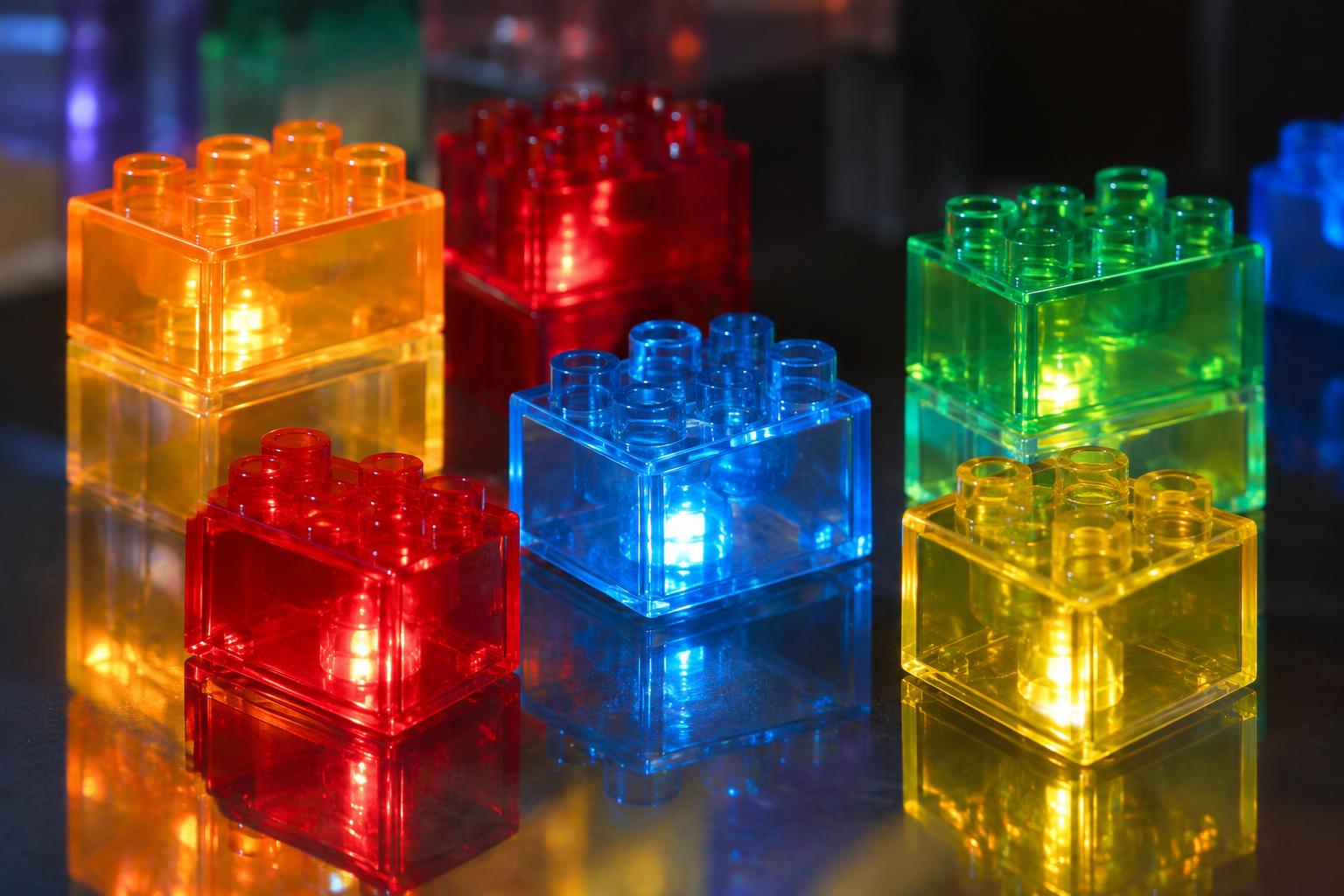
In a world constantly seeking innovation in design, education, and play, light blocks have emerged as a truly versatile and captivating material. Far beyond simple building elements, these translucent or transparent blocks harness the power of light to transform spaces, stimulate minds, and inspire boundless creativity. Whether you're an architect envisioning a stunning illuminated facade, an educator crafting an engaging sensory learning environment, or a DIY enthusiast looking to add a unique touch to your home, understanding the potential of light blocks is key. This comprehensive guide will explore their diverse applications, benefits, and how they contribute to both aesthetic appeal and functional advancement across various sectors, including the exciting offerings at craftblockworld.
The Evolution of Light Blocks: From Concept to Reality
The concept of using blocks to build is ancient, but the integration of light to create illuminated structures is a relatively modern marvel. Initially seen in stained glass and glass bricks, which allowed natural light to filter through, modern light blocks have advanced significantly. Today, they often incorporate LED technology, allowing for dynamic color changes, programmable sequences, and energy efficiency. This evolution has opened up a world of possibilities, making them a staple in contemporary design and a fascinating tool in educational settings.
Architectural and Interior Design Marvels
In architecture, light blocks are not merely functional but form an integral part of a building's aesthetic and environmental strategy. They are meticulously chosen for their ability to diffuse light, create stunning visual effects, and even contribute to thermal insulation. From partition walls that glow with a soft luminescence to entire facades that transform into canvases of light at night, these blocks offer architects an extraordinary medium for expression.
- Facade Illumination: Modern commercial buildings and public spaces utilize light blocks to create dynamic exteriors that interact with their surroundings. These blocks can be programmed to display patterns, colors, or even serve as low-resolution screens, contributing to urban nightscapes.
- Interior Ambiance: Inside, they can delineate spaces without creating harsh barriers. A wall made of translucent light blocks allows light from an adjacent room to pass through, maintaining an open feel while offering a degree of privacy. This is particularly effective in offices, restaurants, and residential settings.
- Feature Walls and Sculptures: Beyond functional partitions, light blocks are also used to create eye-catching feature walls or freestanding sculptures that become central focal points in a room. When illuminated, they can add depth, texture, and a sense of modern artistry.
- Bathroom and Spa Design: The water-resistant nature of many light block materials makes them ideal for bathrooms, showers, and spa areas. They can create serene, ethereal environments, diffusing light and adding a luxurious touch.
Enhancing Educational Environments and Sensory Play
The role of light blocks extends far beyond design. In educational settings, particularly for early childhood development and special education, they are invaluable tools for sensory exploration and learning. Placed on light tables, these blocks become luminous, inviting children to manipulate, stack, and create with light and color.
- Sensory Stimulation: The combination of varying textures, colors, and the interaction with light provides rich sensory input, crucial for cognitive development in young children. They can explore concepts like transparency, opacity, and color mixing in a hands-on, engaging way.
- Fine Motor Skills and Hand-Eye Coordination: Stacking and arranging blocks, especially on a light table where precision is often highlighted by the illumination, helps children refine their fine motor skills and hand-eye coordination.
- Creativity and Imagination: Without predefined rules or outcomes, children are free to build whatever their imagination conjures. The glowing nature of the blocks adds an extra layer of magic, encouraging imaginative play and storytelling.
- Problem-Solving and Spatial Reasoning: As children experiment with different arrangements and structures, they naturally develop problem-solving skills and an understanding of spatial relationships, balance, and engineering principles.
- Therapeutic Applications: In therapy, particularly for children with developmental challenges, light blocks can be used to elicit responses, encourage communication, and provide a calming, engaging activity. The gentle glow can be particularly soothing for those with sensory processing sensitivities.
Types of Light Blocks and Their Materials
The variety of light blocks available today is impressive, each designed for specific purposes and aesthetics. Understanding the materials and their properties is crucial for selecting the right type for your project.
Acrylic and Polycarbonate Blocks
These are perhaps the most common types of light blocks, especially in educational and decorative contexts. They are renowned for their:
- Durability: Highly resistant to impact, making them safe for children's play and architectural applications where breakage is a concern.
- Transparency: Excellent light transmission properties, often clearer than glass.
- Lightweight: Easier to handle and install compared to glass alternatives.
- Versatility: Can be molded into various shapes, sizes, and colors, often embedded with LEDs.
Glass Blocks
A classic choice, glass blocks offer a timeless appeal and unique optical properties:
- Light Diffusion: Perfect for privacy, they diffuse light beautifully while maintaining brightness.
- Sound Insulation: Offer good acoustic separation.
- Fire Resistance: Certain types provide enhanced fire protection.
- Thermal Insulation: Can contribute to energy efficiency.
- Aesthetics: Available in clear, frosted, textured, and colored finishes, providing a range of visual effects.
Resin and Composite Blocks
Emerging as innovative options, resin and composite blocks often feature unique inclusions or textures:
- Customization: Can encapsulate objects, patterns, or even bio-luminescent materials for truly bespoke designs.
- Flexibility: Often more pliable than glass, allowing for curved or irregular shapes.
- Unique Effects: Capable of producing distinctive light refraction and glow effects.
Applications Across Various Sectors
The versatility of light blocks ensures their application across a wide spectrum of industries and personal projects.
Public Spaces and Urban Design
Cities are increasingly incorporating light blocks into their urban landscapes. They are used for:
- Illuminated Pathways: Creating safe and aesthetically pleasing walkways in parks and pedestrian zones.
- Art Installations: Public art pieces that come alive at night, fostering community engagement and enhancing urban identity.
- Information Displays: Interactive light block walls in museums or visitor centers can display information or artistic patterns.
Retail and Hospitality
Businesses leverage light blocks to create memorable and inviting environments:
- Dynamic Displays: Storefronts and interior displays that attract attention and showcase products in a unique light.
- Branding: Custom colored or patterned light blocks can reinforce brand identity.
- Ambiance Creation: In hotels, bars, and restaurants, they establish a sophisticated and comfortable atmosphere, influencing customer experience.
Residential Applications
Homeowners are embracing light blocks for their aesthetic appeal and functional benefits:
- Accent Lighting: In kitchens, bathrooms, or living rooms, to create illuminated shelving, decorative accents, or unique backsplashes.
- Room Dividers: To separate open-plan living areas without sacrificing natural light or open feel.
- Garden Features: Creating illuminated elements in outdoor living spaces, adding enchantment to evenings.
Selecting the Right Light Blocks: Key Considerations
Choosing the appropriate light blocks for your project requires careful consideration of several factors:
- Purpose: What is the primary function? Is it for structural support, aesthetic appeal, light diffusion, or sensory play?
- Material: Glass, acrylic, or resin? Each has different properties regarding durability, weight, cost, and optical characteristics.
- Light Source: Will the blocks be naturally lit, or will they incorporate LEDs? If LEDs, consider color options (warm white, cool white, RGB), brightness, and control mechanisms.
- Size and Shape: Blocks come in standard and custom sizes. Consider how they will fit into your design and impact ease of installation.
- Safety and Durability: Especially important for public spaces and children's play areas. Look for impact-resistant and non-toxic materials.
- Installation Requirements: Some light blocks require specific mortar or framing systems, while others offer simpler interlocking mechanisms.
- Maintenance: How easy are they to clean and maintain? Will they retain their clarity and color over time?
- Cost: Budget is always a factor. Compare prices across different materials and suppliers, keeping in mind long-term benefits and energy efficiency for illuminated options.
For a wide selection of high-quality options suitable for various applications, exploring resources like craftblockworld can provide valuable insights and product choices.
Installation and Maintenance Tips
Proper installation and maintenance are key to maximizing the lifespan and aesthetic appeal of your light blocks.
Installation
- Follow Manufacturer Guidelines: This is paramount, especially for structural or illuminated blocks.
- Structural Considerations: For load-bearing applications, ensure the supporting structure is adequate and that the blocks are properly reinforced.
- Electrical Integration: For LED-integrated blocks, professional electrical installation is often required to ensure safety and functionality.
- Sealing: In wet environments (bathrooms, outdoors), ensure proper sealing to prevent water ingress and damage.
Maintenance
- Regular Cleaning: Use a soft cloth and mild, non-abrasive cleaning agents. Avoid harsh chemicals that could scratch or damage the surface.
- LED Longevity: While LEDs have long lifespans, ensure proper ventilation for any integrated systems to prevent overheating.
- Check for Damage: Periodically inspect for cracks or damage, especially in high-traffic areas or outdoor installations.
- Outdoor Care: For exterior light blocks, ensure drainage is adequate to prevent water pooling and check seals regularly.
The Future of Light Blocks
Innovation in material science and LED technology continues to push the boundaries of what light blocks can do. Expect to see:
- Smart Integration: Blocks that interact with surroundings, changing color or intensity based on environmental factors, time of day, or even human presence.
- Sustainable Materials: A greater focus on recycled and eco-friendly materials in their production, aligns with global green building initiatives.
- Advanced Customization: Further possibilities for bespoke shapes, textures, and embedded functionalities, making each installation truly unique.
- Interactive Surfaces: Light blocks that can serve as touch-sensitive surfaces for games, information displays, or artistic expressions.
The journey of light blocks is one of continuous evolution, promising even more innovative and surprising applications in the years to come.
Conclusion
From the subtle glow of a decorative wall to the mesmerizing display of a building facade, light blocks offer an unparalleled blend of functionality, aesthetics, and imaginative potential. They are transforming how we design spaces, educate our children, and interact with light itself. As technology advances and creativity blossoms, the applications for these unique materials will only continue to expand. Whether you are embarking on a major architectural project, designing an inspiring learning space, or simply looking for a touch of brilliance for your home, explore the possibilities that light blocks offer. Dive into the world of illuminated construction and discover why companies like craftblockworld are at the forefront of this illuminating trend. The future is bright, and it's built with light blocks.
Frequently Asked Questions (FAQ)
What are light blocks?
Light blocks are building elements made from translucent or transparent materials, often incorporating internal or external light sources to create illuminated structures. They can be found in various forms, from decorative architectural pieces to children's educational toys.
How are light blocks used in education and sensory play?
In education, light blocks enhance sensory play by combining tactile exploration with visual stimulation. They help children develop fine motor skills, spatial reasoning, and creativity while exploring concepts of light, color, and shadow. Many educators use them on light tables to maximize their learning potential.
Can light blocks be used for outdoor applications?
Yes, depending on their material and construction, many light blocks are designed for outdoor use. They are often made from durable, weather-resistant plastics or glass, making them suitable for garden features, illuminated pathways, or decorative exterior elements. Always check product specifications for outdoor suitability.
What are the benefits of using light blocks in interior design?
Light blocks offer several benefits in interior design, including creating unique focal points, enhancing ambiance through diffused lighting, maximizing natural light in spaces, and adding a modern, sophisticated aesthetic. They can be used for partition walls, decorative accents, or functional lighting fixtures.
Where can I find high-quality light blocks?
High-quality light blocks for various applications, including architectural, educational, and decorative uses, can be found at specialized architectural suppliers, educational toy retailers, and online stores. For a diverse selection, consider exploring platforms like craftblockworld.com.