How to Get the Most Out of Your Building Blocks: A Complete Guide to Jeux de Construction
craftblockworld built this guide for builders at every stage — from someone buying their first starter kit to a collector hunting down a 3,000-piece showpiece.
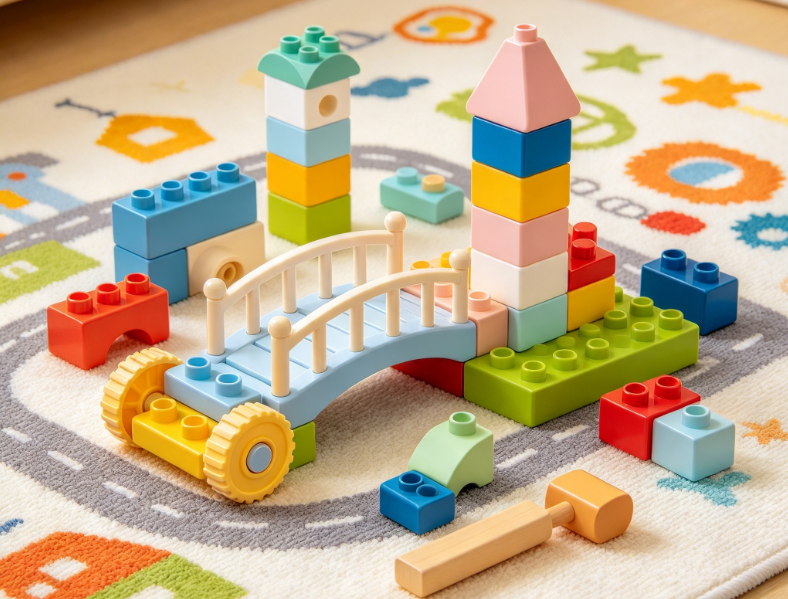
Building blocks aren't just a childhood pastime anymore. Across Europe and North America, adults are rediscovering jeux de construction as a legitimate hobby — one that builds something real at the end of a stressful day, teaches kids STEM skills without a lecture, and gives collectors something tangible to display with pride. Whether you're new to building blocks or you've got a shelf already filling up with finished models, this guide walks through exactly how to choose, plan, organize, customize, and showcase your builds so you get real value out of every set.
craftblockworld built this guide for builders at every stage — from someone buying their first starter kit to a collector hunting down a 3,000-piece showpiece. Let's get into it.
How to Choose the Right Building Blocks Set for Your Needs
Not every set fits every builder, and picking the wrong one is the fastest way to lose interest. Before you buy, answer three questions: Who's building it? How much time do you have? What do you want when it's done?
For adult hobbyists, look for sets with high piece counts and detailed instructions. Engineers, designers, and creative professionals tend to gravitate toward models with functional mechanisms — moving gears, opening doors, working suspension. These builds reward patience and attention to detail, and they're genuinely relaxing once you get into a rhythm.
For families, prioritize sets rated for your child's age group with clear, illustrated steps. A 5-year-old and a 12-year-old need very different starting points. Look for sets that balance challenge with achievability — frustration kills enthusiasm fast, especially with younger builders.
For collectors, the set itself matters less than its long-term display value. Limited editions, detailed architecture replicas, and iconic vehicle models tend to hold their appeal (and their value) longer than generic themes.
For creators, choose sets with versatile, reusable pieces rather than highly specialized ones-off molds. A set full of unique, single-purpose pieces looks great assembled but gives you little to work with afterward if you want to build your own designs.
A good rule of thumb: check the piece count against your available time. A 500-piece set might take an evening. A 3,000-piece set could take weeks. Matching ambition to realistic time investment keeps the hobby fun instead of a chore. Browse the full range of sets by theme and difficulty on the craftblockworld product catalog to compare piece counts and skill levels side by side.
How to Plan Your Build Before You Start
Planning separates a smooth build from a frustrating one, especially with larger jeu brique sets. Before opening a single bag of pieces, read through the instruction booklet from start to finish. This gives you a mental map of the build — where the structural sections are, where the detail work happens, and roughly how long each stage will take.
For beginners, sort pieces by the numbered bags included in most sets rather than dumping everything into one pile. Many sets are intentionally packaged in build-order, and keeping that structure intact saves time and reduces the chance of grabbing the wrong piece.
For experienced builders, consider pre-sorting by color and size anyway, even if bags are numbered. Complex builds often reuse the same piece types across multiple stages, and having them visually grouped speeds up repetitive sections significantly.
Set up a dedicated building surface — a table you won't need to clear mid-project. Interrupted builds that get swept into a box lose pieces, and losing pieces is the single biggest cause of abandoned builds. Good lighting matters too; small pieces and subtle color differences are easy to misjudge under dim light.
If you're building with a time constraint, break the project into session goals rather than trying to finish in one sitting. "Finish the base and first floor tonight" is a more achievable target than "finish the whole building," and it keeps momentum going across multiple sessions.
How to Organize and Store Your Jeu Brique Collection
As your collection of building blocks grows, storage becomes a real logistical question — not just for unused pieces, but for finished models you want to keep intact.
Sort loose or spare pieces by type and color using stackable parts bins or compartmentalized storage boxes. Clear bins work best since you can identify contents at a glance. Label bins if you're managing multiple in-progress or disassembled sets at once, so pieces don't get mixed across projects.
Keep instruction booklets and box art together in a binder or labeled folder, especially if you plan to disassemble a model eventually and rebuild it later. Losing instructions for a 2,000-piece set means painstakingly reverse-engineering the build from photos, which nobody enjoys.
For finished models, display shelving with a dust cover or glass front protects completed builds from dust accumulation and accidental bumps — a real concern in households with kids or pets. Adjustable shelving lets you accommodate different model sizes as your collection expands, from small vehicle builds to large architectural pieces.
For families, a dedicated building blocks "zone" — even just a corner with a storage unit and a flat building surface — keeps loose pieces contained and makes cleanup far less painful than scattered bins across the house.
How to Customize and MOC With Jeux de Construction
One of the most rewarding parts of this hobby is moving beyond official instructions into MOC territory — "My Own Creation." This is where jeux de construction stop being a kit you follow and become a genuine creative outlet.
Start small. Take an existing set and modify one section — swap a roofline, change a color scheme, or add an extension to a building. This teaches you how pieces connect structurally without the pressure of designing something from scratch.
Build a parts library. Creators tend to accumulate spare pieces from multiple sets over time, and having a stocked, organized parts bin is what makes freeform designing possible. Versatile basic pieces — plates, bricks, and connectors in common sizes — are more valuable for MOC work than specialized decorative pieces.
Study structural techniques used in official sets before designing your own. Notice how official designers reinforce large flat surfaces, hide seams, or create curves using angled pieces. These techniques transfer directly to original designs and will save you from structural failures mid-build.
Document your process. Take photos at each stage of an original design, especially if you're building something complex. If a section fails structurally, you'll want to backtrack without starting over completely.
Share your work. The MOC community thrives on feedback and inspiration from other builders. Posting your original designs — even unfinished ones — often surfaces techniques and suggestions you wouldn't have found alone. For deeper build techniques and inspiration from experienced designers, the craftblockworld lego alternatives hub has in-depth guides covering advanced building methods.
How to Involve Kids in STEM Learning Through Building Blocks
Building blocks double as one of the most effective informal STEM tools available, and getting the most out of that educational value takes a bit of intention.
Let kids struggle a little before helping. The instinct is to step in the moment a child gets stuck, but working through a stuck point — rotating a piece, trying it a different way — is where the actual problem-solving skill develops. Offer hints rather than solutions.
Connect builds to real concepts. If a set includes a bridge, talk about why triangles make structures stronger than squares. If it includes gears, explain how turning one gear moves another. These small connections turn assembly time into genuine STEM learning without feeling like a lesson.
Match complexity to developmental stage, not just the age rating on the box. Some kids handle complex, multi-step builds earlier than suggested ages; others need simpler sets longer. Watch frustration levels rather than rigidly following the printed age guide.
Make it collaborative, not supervised. Build alongside your child rather than watching them build. Working on the same model together — even taking turns with different sections — reinforces both the educational and bonding value of the activity.
Rotate themes to maintain interest. A child engaged with vehicles might stall out on architecture sets. Having variety on hand, from city-themed sets to mechanical builds, keeps curiosity alive across different STEM domains — basic engineering, spatial reasoning, fine motor skills — without the activity feeling repetitive.
How to Display and Photograph Your Finished Models
A finished build deserves to be seen properly, whether that's on a shelf in your home or shared with the online building community.
Choose a consistent location with good natural light for display. Avoid direct sunlight for long-term placement, as UV exposure can fade colored pieces over time. Indirect, bright light near a window works well for both daily viewing and photography.
Use a plain, neutral backdrop when photographing models. A plain wall, poster board, or dedicated photo backdrop removes visual clutter and keeps attention on the build itself. White or light gray backgrounds tend to make colored pieces pop without competing for attention.
Shoot from multiple angles. A single front-on photo rarely does a detailed model justice. Capture a three-quarter angle to show depth, a close-up of any intricate detail work, and — for larger builds — a wide shot that shows scale.
Use natural or diffused light rather than direct flash. Flash photography tends to create harsh glare on glossy plastic pieces and flattens detail. A spot near a window, or a simple diffused lamp, produces far better results.
Clean pieces before photographing. Dust is far more visible in photos than in person, especially on light-colored pieces. A soft, dry brush or microfiber cloth before a photo session makes a noticeable difference.
If you're sharing finished builds online, tag the specific set or technique used — the building community consistently engages more with posts that include concrete details over generic captions.
Frequently Asked Questions
Are building blocks from different brands compatible with each other?\ Most standard-sized building blocks, including those from craftblockworld, are designed to be compatible across major brands, connecting seamlessly regardless of manufacturer. This means you can mix pieces from different sets and brands within the same build without compatibility issues.
What age is appropriate to start building blocks as a hobby?\ Simple sets work well for children as young as 5 or 6, while complex sets with thousands of pieces suit teenagers and adults. The right starting point depends more on fine motor skill development and patience than age alone.
How long does a large building blocks set typically take to complete?\ This varies widely based on piece count and complexity. A 500-piece set might take a few hours across one or two sessions, while a 3,000+ piece set can take several weeks of regular building sessions to complete.
What should I do if I lose a piece from my set?\ Check with the manufacturer or retailer first — many brands, including craftblockworld, offer replacement parts for missing or damaged pieces. Keeping instruction booklets and original packaging makes identifying the exact missing piece far easier.
Can I combine multiple sets into one larger custom build?\ Yes, and this is a common approach among creators building original MOC designs. Combining parts bins from multiple sets gives you a wider variety of piece shapes, colors, and sizes to work with for freeform designs.
Whatever stage you're at — first set or fiftieth — getting the most out of jeu brique building comes down to matching the right set to your goals, planning before you dive in, and giving finished builds the storage and display they deserve. Explore the full range of building blocks sets, themes, and skill levels on craftblockworld's blog for more build guides, technique breakdowns, and set recommendations tailored to exactly where you are in the hobby.