Jeu de Brique: The Ultimate Guide to Brick-Building Games and Their Universal Appeal
Explore the fascinating world of jeu de brique (brick-building games), their educational benefits, creative potential, and enduring appeal across the US and EU.
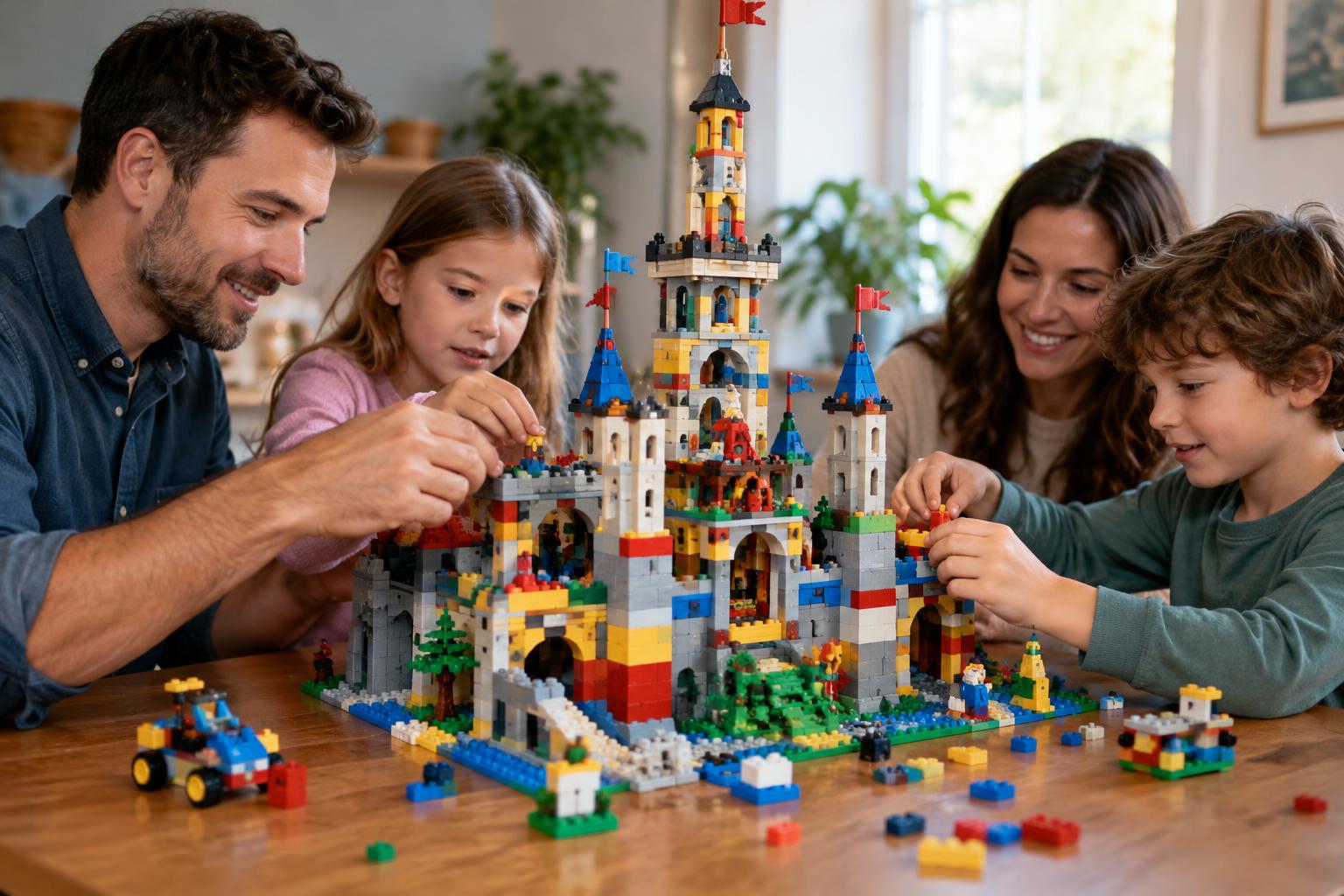
In a world increasingly dominated by fleeting trends and instant gratification, there remains a timeless activity that continues to captivate imaginations across generations: building with blocks. Known in French as jeu de brique, or "brick game," this category of play transcends cultural and linguistic barriers, offering a universal language of creativity, problem-solving, and imaginative construction. From the classic interlocking plastic bricks that have adorned countless playrooms to the sprawling digital universes where players craft entire worlds, the allure of the jeu de brique is undeniable. This article delves deep into the essence of brick-building games, exploring their history, their profound developmental benefits, their diverse forms, and why they remain a cornerstone of both childhood development and adult recreation across the US and Europe. Whether you're a seasoned builder or new to the concept, platforms like craftblockworld offer exciting avenues to explore this rich and rewarding pastime.
What is a "Jeu de Brique"? Unpacking the Concept
At its core, a jeu de brique is any game or activity centered around constructing objects, structures, or scenes using individual modular pieces, typically referred to as bricks or blocks. While the term originates from French, its meaning resonates universally with the concept of creative assembly. This can manifest in myriad forms, from physical sets made of wood, plastic, or magnetic materials to sophisticated digital environments where virtual blocks are used to sculpt complex landscapes and interactive contraptions.
The Evolution of Building Blocks
The concept of building blocks is ancient, dating back to simple wooden blocks used for play and learning. However, the modern era of the jeu de brique was truly revolutionized by the advent of interlocking plastic bricks. These innovative toys introduced a new level of stability, reusability, and intricate design possibilities, allowing builders to create more permanent and elaborate models. The fundamental principle – combining smaller units to form larger, more complex wholes – has remained constant, proving its enduring appeal.
The Enduring Appeal of Block-Building Games
Why do these games continue to hold such a powerful sway over people of all ages? The reasons are multifaceted, touching upon fundamental aspects of human psychology and creativity. The simple act of connecting blocks offers a profound sense of satisfaction, transforming abstract ideas into tangible or virtual realities.
Unleashing Creativity and Imagination
Perhaps the most celebrated aspect of any jeu de brique is its ability to foster boundless creativity. With a collection of bricks, the only limit is the builder's imagination. Players can construct anything from towering castles and futuristic spaceships to quaint cottages and bustling cities. This freedom of expression is crucial for cognitive development, allowing individuals to visualize, plan, and execute their ideas without predefined rules constraining their output.
Developing Problem-Solving Skills
Building with blocks is inherently a problem-solving exercise. Builders must consider structural integrity, balance, scale, and aesthetics. How do you make a roof that won't collapse? How do you create a symmetrical design? These challenges, often faced intuitively during play, cultivate critical thinking and analytical skills. Each failed attempt offers a learning opportunity, encouraging resilience and adaptability.
Enhancing Spatial Reasoning and Fine Motor Skills
Manipulating individual blocks, orienting them correctly, and fitting them into place significantly refines fine motor skills and hand-eye coordination. This is particularly beneficial for younger children, laying crucial groundwork for tasks requiring precision. Simultaneously, the act of envisioning a three-dimensional object from two-dimensional plans or mental images strengthens spatial reasoning – a cognitive skill vital for subjects like mathematics, engineering, and architecture.
Educational Benefits for All Ages
Beyond mere entertainment, brick-building games are powerful educational tools. Educators and parents in both the US and Europe increasingly recognize their value in holistic development, often integrating them into curricula and learning environments.
STEM Learning Foundations
The principles of Science, Technology, Engineering, and Mathematics (STEM) are intrinsically woven into the fabric of a jeu de brique. Builders learn about physics (gravity, stability), engineering (structures, mechanisms), and mathematics (geometry, proportion) through direct, experiential engagement. They experiment with different designs, observe cause and effect, and iteratively improve their constructions, mirroring the scientific method.
Promoting Social and Emotional Growth
Building together in a group fosters collaboration, communication, and negotiation skills. Children and adults alike learn to share resources, discuss ideas, and work towards a common goal, making it an excellent activity for family bonding or classroom cooperation. The sense of accomplishment derived from completing a complex build can also boost self-esteem and confidence.
Choosing the Right Jeu de Brique for You
With an extensive range of options available, selecting the perfect brick-building game can seem daunting. Considerations often include the builder's age, interests, and the desired level of complexity.
- Age Appropriateness: Younger children benefit from larger, easier-to-handle blocks, while older children and adults can tackle intricate sets with thousands of tiny pieces.
- Theme and Interest: Whether it's fantasy, sci-fi, architecture, vehicles, or cityscapes, choosing a theme that resonates with the builder ensures sustained engagement.
- Complexity and Challenge: Some prefer following detailed instructions to recreate iconic models, while others thrive on open-ended, free-form building.
- Physical vs. Digital: Both offer unique experiences. Physical blocks provide a tactile experience; digital platforms offer limitless resources and collaborative opportunities.
The Digital Evolution of Brick Games
While physical bricks remain incredibly popular, the digital realm has expanded the possibilities of the jeu de brique exponentially. Virtual building games have brought brick-based construction to millions, introducing new dynamics and communities.
Limitless Resources and Creativity
Digital brick games offer an endless supply of virtual blocks in every conceivable shape and color, removing the constraints of physical set limitations. This allows for truly colossal and intricate creations that would be impractical or impossible in the physical world. The ability to undo mistakes, save progress, and easily share designs with others adds layers of convenience and functionality.
Online Communities and Collaborative Building
Many virtual block-building platforms foster vibrant online communities. Players can showcase their creations, explore worlds built by others, and even collaborate on massive projects in real-time. This social aspect adds another dimension to the jeu de brique experience, connecting builders from across the globe and inspiring new levels of creativity. A prime example of such a vibrant community can be found on platforms like craftblockworld, where users can build, share, and interact in a dynamic virtual space.
Modding and Game Development
Some advanced digital brick games even allow players to develop their own game modes, custom textures, or interactive elements, blurring the lines between player and developer. This introduces a deeper level of engagement and empowers users to become creators within the game's ecosystem, further enriching the jeu de brique experience.
Crafting Your World: Tips and Tricks for Builders
Whether you prefer physical bricks or virtual blocks, a few universal tips can enhance your building journey and help you unleash your full creative potential.
- Start Simple: Don't try to build a masterpiece on your first attempt. Begin with smaller, manageable projects to get a feel for the mechanics and design principles.
- Experiment with Colors and Shapes: Don't be afraid to deviate from typical designs. Mixing colors and using unusual block shapes can lead to unique and visually striking creations.
- Plan (but be flexible): While some builders prefer to jump right in, sketching out a basic plan or vision can provide direction. However, be open to modifying your plan as new ideas emerge during the building process.
- Learn from Others: Explore creations by other builders. Online galleries, forums, and instruction manuals can provide inspiration and teach you new techniques. You can find many inspiring articles on the jeu de brique blog, offering tips and insights.
- Break Down Complex Builds: For large projects, break them down into smaller, manageable sections. This makes the task less daunting and allows you to celebrate progress along the way.
- Don't Fear Mistakes: Every great builder has made countless mistakes. View errors as learning opportunities to refine your technique and improve your next design.
Beyond Gaming: The Cultural Impact of Brick Building
The influence of brick-building extends far beyond the playroom or gaming screen, permeating popular culture, art, and even professional design. It has inspired artists to create intricate sculptures, architects to model innovative structures, and educators to develop engaging learning tools.
Art and Exhibitions
Brick art exhibitions showcasing monumental sculptures and detailed dioramas built entirely from interlocking bricks have drawn millions worldwide. These displays elevate the humble block to a medium for serious artistic expression, demonstrating the incredible versatility and aesthetic potential of the jeu de brique.
Design and Prototyping
In various professional fields, from product design to urban planning, physical and virtual blocks are used for rapid prototyping and visualization. Their modular nature allows for quick iteration of ideas, making them valuable tools for testing concepts before committing to more expensive materials or digital modeling.
Therapeutic and Relaxing Benefits
For many, the act of building with blocks is a profoundly therapeutic and meditative experience. The focused attention required to connect pieces, combined with the satisfaction of seeing a creation come to life, can reduce stress, improve concentration, and provide a calming escape from daily pressures.
Conclusion
The jeu de brique, whether in its classic physical form or its dynamic digital iterations, represents far more than just a pastime. It is a powerful catalyst for creativity, a robust training ground for essential cognitive skills, and a universal language of construction that unites people across continents. From the intricate designs meticulously planned by enthusiasts in Europe to the expansive virtual worlds crafted by players in the US, the spirit of brick-building thrives. Platforms like craftblockworld continue to innovate, offering new ways to engage with this timeless activity. Embrace the challenge, unleash your imagination, and discover the endless possibilities that await you in the vibrant world of brick-building games.
Frequently Asked Questions (FAQ)
What exactly does "jeu de brique" mean?
"Jeu de brique" is a French term that translates directly to "brick game" or "block game." It refers broadly to any game, physical or digital, that involves building structures, objects, or worlds using interlocking bricks or blocks. This encompasses classic toy bricks, construction sets, and popular virtual sandbox games.
What are the main benefits of playing brick-building games?
Brick-building games offer a wide array of benefits, including fostering creativity and imagination, developing fine motor skills, enhancing problem-solving abilities, improving spatial reasoning, and promoting critical thinking. They can also be a source of relaxation and provide a platform for collaborative play.
Are brick games suitable for all ages?
Absolutely! While many brick games are designed with children in mind, there are countless options tailored for teenagers and adults. Advanced construction sets, complex virtual building platforms, and even competitive building challenges appeal to older demographics, offering intricate design opportunities and sophisticated gameplay.
How do virtual brick games compare to physical ones?
Virtual brick games, like those found on platforms such as craftblockworld.com, offer infinite resources, undo capabilities, collaborative online building, and the ability to share creations globally. Physical brick games, however, provide a tangible, tactile experience that helps develop fine motor skills and offers a unique sense of accomplishment in a real-world creation. Both offer distinct yet valuable experiences.
Where can I find resources and inspiration for my brick-building projects?
Many online communities, forums, and dedicated websites offer extensive resources, tutorials, and inspiration for brick-building. Platforms often have sections for user-generated content, while blogs like the one on jeu de brique related topics provide articles, guides, and ideas to spark your creativity. Exploring these resources can significantly enhance your building journey.