How to Choose and Build the Perfect Building Block Set
Learn how to choose, build, and store the right building block set by age and skill level, with expert tips for beginners and advanced builders alike.
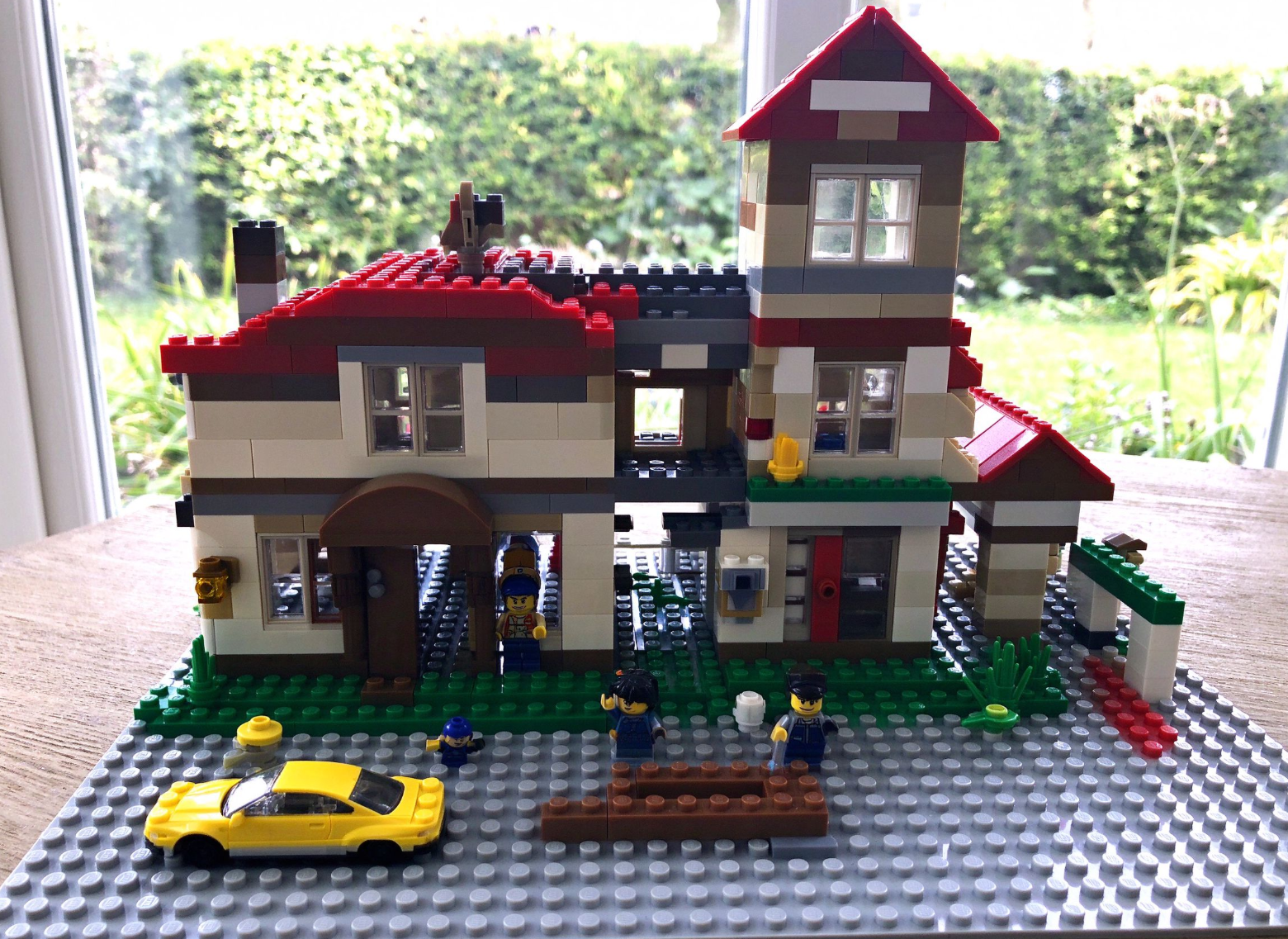
Quick answer: Choosing the right building block set means matching piece count and complexity to the builder's age and skill level, checking for LEGO-compatible connections, and starting with a clean, sorted workspace. Beginners should start with 500–1,000 piece sets, while experienced builders can tackle 2,000+ piece collector models.
Building with bricks has quietly become one of the most popular hobbies across Europe and North America, and it's not hard to see why. Whether you're a parent looking for a screen-free afternoon activity, an adult collector chasing the next limited-edition release, or someone who just discovered the meditative pull of snapping pieces into place, the world of brick building has something for you. In France, people often search for a jeu brique construction when looking for these sets, while English-speaking builders tend to call them brick blocks or construction toys — but the appeal is universal.
The challenge isn't finding a set. There are thousands available at every price point and difficulty level. The real challenge is knowing which one is right for you or your family, how to set yourself up for a smooth build, and how to keep your growing collection organized once the boxes start piling up.
This guide walks through exactly that. We'll cover what separates a quality building block set from a flimsy one, how to pick the right kit based on age and experience, and practical building and storage tips that apply whether you're assembling your first 500-piece city set or your fifteenth 3,000-piece architectural model.
What Makes a Quality Building Block Set?
Not all bricks are created equal, and the difference shows up the moment you start building. A well-made building block set should check a few specific boxes before it earns a spot in your cart.
Material and molding precision. High-quality bricks use dense ABS plastic, molded to tight tolerances. This means pieces click together firmly and stay put, but also separate without excessive force or chipping. Cheaper sets often use softer or inconsistent plastic, which leads to loose connections and models that sag over time.
Cross-brand compatibility. One of the biggest advantages of today's brick blocks market is that most reputable brands design pieces to connect seamlessly with LEGO® and other major systems. This matters more than people expect — it means you can mix sets from different lines, reuse pieces across builds, and never worry about a drawer of "orphan" bricks that don't fit anything.
Safety certification. Look for sets that meet recognized safety standards such as EN 71 (Europe), ASTM (United States), or CPSIA. These certifications confirm the plastic, paint, and small parts have been tested for things like choking hazards and chemical safety — non-negotiable if children will be anywhere near the set.
Instruction clarity. A good set includes step-by-step instructions with clear diagrams, numbered bags or sorted parts, and a complexity rating so you know what you're signing up for before you open the box.
Parts accuracy. Few things are more frustrating than reaching step 47 and discovering a piece is missing. Reputable sellers offer free replacement parts for missing or damaged pieces, which is worth confirming before you buy — especially for larger, pricier builds.
How to Choose the Right Brick Blocks by Age and Skill Level
Picking the right building block set starts with an honest assessment of who's building it. A 2,000-piece architectural model will frustrate a 7-year-old, and a 150-piece beginner set won't hold an adult enthusiast's attention for long.
Ages 5–8: Simple, chunky builds (50–250 pieces). Younger children benefit from larger pieces, bright colors, and short build times that deliver a finished model in under an hour. Vehicles, animals, and simple buildings work well here, keeping frustration low and confidence high.
Ages 9–12: Intermediate sets (250–800 pieces). Kids in this range can handle more detailed instructions and smaller pieces. This is also the sweet spot for STEM-oriented sets — think gears, simple motors, or basic mechanical functions that introduce engineering concepts through play.
Teens and beginner adults: Standard sets (800–1,500 pieces). This range covers most city series, vehicle, and themed collections. It's enough complexity to be satisfying without requiring hours of uninterrupted focus.
Experienced adult builders: Advanced and collector sets (1,500–5,000+ pieces). Architecture, Creator Expert, and large-scale vehicle or landmark models fall here. These sets reward patience, often take multiple sessions to complete, and are frequently designed as much for display as for the building process itself.
A good rule of thumb: if it's a gift, round down on complexity. It's better to finish a slightly-too-easy set with a sense of accomplishment than to abandon a too-difficult one halfway through.
How to Get Started: Setting Up Your First Build
Before snapping in a single piece, a little preparation makes the entire process smoother — especially for larger sets with thousands of components.
Clear a dedicated surface. Choose a table or flat area where the build can stay undisturbed for the duration of the project. Larger sets can take days or even weeks, and moving a half-finished model around risks dislodging pieces.
Sort before you build. Group bricks by color and size before you start. This single habit saves more time than almost anything else, since it eliminates the need to dig through a pile of mixed pieces mid-build.
Keep a brick separator handy. It's tempting to pry stuck pieces apart with your fingers or teeth, but a dedicated separator tool removes bricks cleanly without damaging the studs or your patience.
Read a few steps ahead. Instead of following instructions one step at a time in isolation, glance two or three steps ahead. Seeing how a section comes together helps you place pieces more accurately and catch potential mistakes before they happen.
Keep the box lid nearby. Many builders use the set's box lid as a tray for sorted pieces or a reference image for what the finished sections should look like.
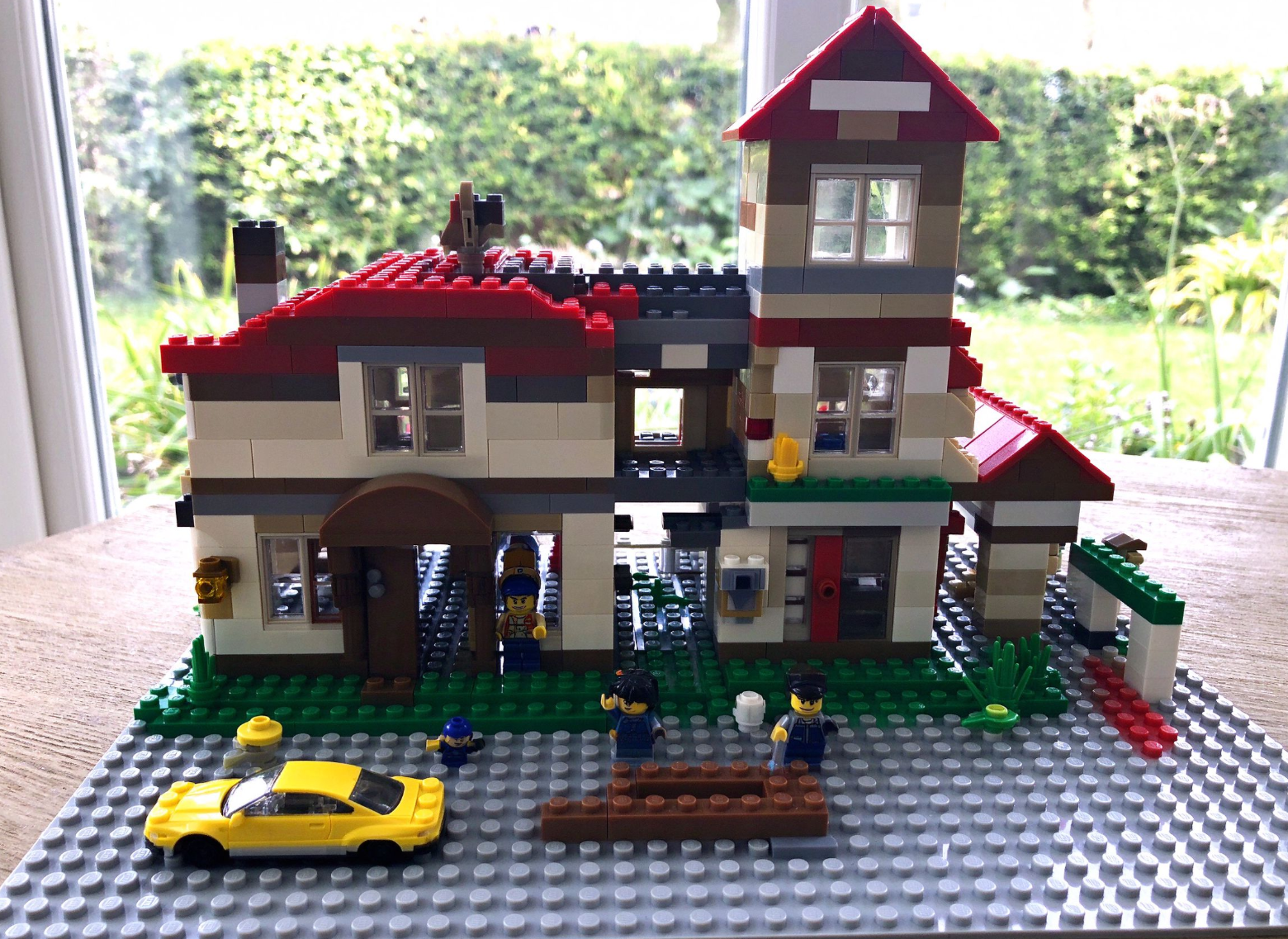
Step-by-Step Building Tips for Beginners
If this is your first serious building block set, a few habits will make the experience far less frustrating.
- Build from the bottom up. Complete each layer fully before moving to the next. This keeps the structure stable and prevents the top-heavy wobbling that happens when sections are built out of order.
- Double-check color and shape before placing. It's easy to grab a similar-looking piece in dim lighting. A quick glance at the instruction diagram before pressing a piece into place prevents having to backtrack later.
- Press firmly, but don't force it. If a piece doesn't seat properly, check the orientation before pushing harder. Forcing a misaligned piece can crack studs or damage the connection points.
- Take breaks on long builds. Fatigue leads to mistakes. Stepping away for ten minutes every hour or so keeps focus sharp, especially on sets with repetitive sections.
- Save specialty pieces for last. Many instructions place unique or decorative pieces toward the end of a build stage. Resist the urge to add them early just because you found them first — order usually matters for structural reasons.
Advanced Techniques for Experienced Builders
Once you've completed a handful of sets, you'll likely want more of a challenge. Advanced builders tend to gravitate toward techniques that go beyond simply following instructions.
Sub-assembly building. For large models, build major sections (like a building's floors or a vehicle's chassis) separately before combining them. This makes it easier to troubleshoot errors and work on multiple parts in parallel if you're building with others.
Studs-not-on-top (SNOT) techniques. This technique rotates bricks sideways to create smoother surfaces, curves, and architectural detail that standard stacking can't achieve. It's common in high-end brick blocks sets replicating real-world landmarks or vehicles.
Custom modifications (MOCs). "My Own Creation" builders take official sets as a starting point and modify them — swapping colors, adding details, or combining pieces from multiple sets to create something original. This is where creators thrive, often sharing their results in online brick-building communities for feedback and inspiration.
Display and lighting integration. Experienced collectors often add LED lighting kits or custom display bases to showcase finished models. This turns a completed set from a shelf item into a genuine centerpiece.
If you're ready to push into more complex territory, exploring advanced building kits is a good next step for understanding which sets hold up to this level of customization.
How to Store and Organize Your Brick Blocks Collection
A growing collection needs a system, or it quickly turns into a chaotic pile of loose pieces and unlabeled boxes.
Use clear, stackable containers. Transparent bins let you see contents at a glance, and stackable designs save floor and shelf space. Many collectors sort by piece type (plates, bricks, specialty pieces) rather than by set.
Keep finished sets together. For display models, store the completed build with its original box and instructions. This protects the instructions for future reference and keeps resale value intact if you ever decide to sell or trade.
Label everything. A simple label maker or masking tape and marker goes a long way when you're managing dozens of small compartments. Future you, searching for one specific curved slope piece, will be grateful.
Rotate your display. If space is limited, rotate which finished models are on display versus in storage. This keeps your collection feeling fresh and gives every build its moment in the spotlight.
Protect from dust and sunlight. Prolonged sun exposure can fade ABS plastic over time. A display case or simply positioning shelves away from direct windows preserves color vibrancy for years.
Why craftblockworld Is the Smart Choice for EU and US Families
With so many brands offering building block sets, it helps to know what separates a reliable source from a risky one — especially when shipping internationally across Europe and North America.
craftblockworld offers over 5,000 sets spanning city series, architecture, military vehicles, movie-themed builds, mechanical and Technic-style models, and collector-grade sports cars and aircraft. Every set is built with high-precision ABS molding and certified to EN 71, ASTM, and CPSIA safety standards, so families on either side of the Atlantic can shop with confidence.
Pieces connect seamlessly with LEGO® and other major systems, which means a jeu brique construction purchased from craftblockworld integrates directly with existing collections rather than starting a separate, incompatible set. For anyone building a serious collection, that cross-compatibility is a genuine time and money saver.
Missing or damaged pieces are replaced free of charge, custom design services are available for builders who want something entirely original, and global shipping with tracking and insurance covers orders worldwide. There's also an active builder community sharing completed projects, from Tokyo temples to Berlin race cars, which makes the hobby feel social rather than solitary.
For anyone comparing options before buying, reading through builder reviews offers a clear picture of what to expect from both the products and the buying experience.
Start Your Next Build With Confidence
Choosing the right building block set comes down to matching complexity to the builder, preparing your workspace before the first brick goes down, and picking a brand that backs its products with safety certification and reliable support. Whether you're setting up a first 300-piece build for a curious 7-year-old or planning a 3,000-piece architectural centerpiece for your living room, the fundamentals stay the same: sort first, build in layers, and don't rush the process.
If you're ready to find your next project, browsing the full catalog is the easiest way to compare sets by theme, piece count, and difficulty before committing to your next build.
Frequently Asked Questions
Are building block sets from alternative brands compatible with LEGO®?\ Yes. Most reputable building block set manufacturers, including craftblockworld, design their brick blocks to connect seamlessly with LEGO® and other major systems, so pieces can be mixed across brands and existing collections.
What's the best piece count for a first-time adult builder?\ Adults new to the hobby typically do best starting between 800 and 1,500 pieces. This range offers enough detail to feel satisfying without requiring the extended, multi-session commitment that 3,000+ piece collector sets demand.
How do I know if a set is safe for young children?\ Check for safety certifications such as EN 71 (Europe), ASTM (United States), or CPSIA printed on the packaging. These confirm the pieces have been tested for choking hazards and material safety appropriate to the listed age range.
What should I do if a set arrives with missing pieces?\ Contact the retailer's support team with your order number. Reliable sellers, including craftblockworld, provide free replacement parts for any missing or damaged pieces rather than requiring a full return.
How should I store a large, completed brick model?\ Keep the finished build with its original box and instructions, display it away from direct sunlight to prevent fading, and use a dedicated shelf or case if the model will stay assembled long-term for display purposes.