How to Choose and Use Building Blocks as a Smarter LEGO Alternative
Building sets used to mean one thing: kids on a living room floor, knee-deep in bricks. Not anymore. Engineers decompress after work with 3,000-piece builds. Parents trade screen time for brick time.
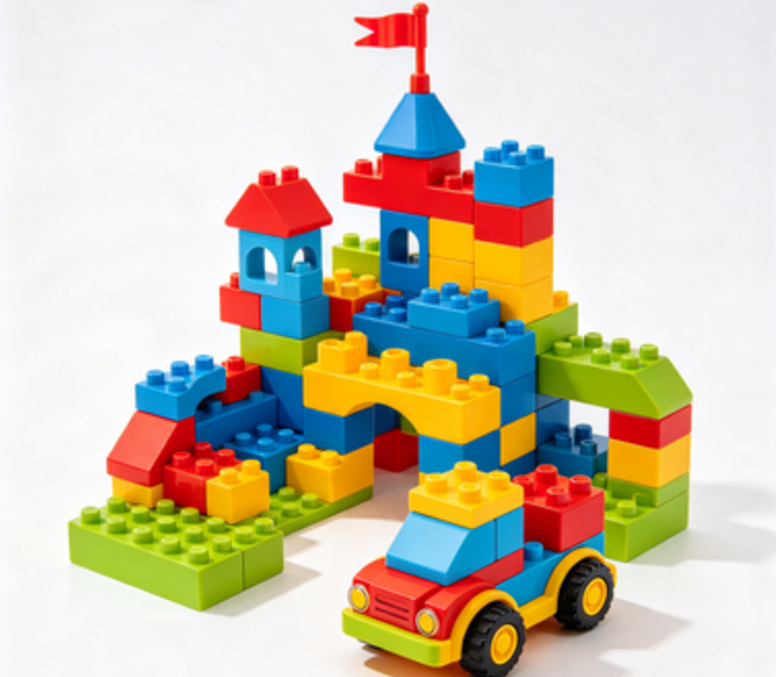
Building sets used to mean one thing: kids on a living room floor, knee-deep in bricks. Not anymore. Engineers decompress after work with 3,000-piece builds. Parents trade screen time for brick time. Collectors chase limited runs the way others chase sneakers. And a fast-growing crowd of creators designs their own models from scratch, piece by piece.
This shift has a name across European collector circles: jeux de construction. It's the French term for building sets, and it's become shorthand for an entire category of LEGO-compatible bricks that deliver the same creative payoff — often for a fraction of the price.
If you're new here, the number of options can feel like a lot. Hundreds of brands. Thousands of sets. Different materials, different compatibility claims, different price points. This guide cuts through it. You'll learn how to pick the right building blocks for your specific goals, what separates a set worth buying from one that falls apart after a week, and how to actually get building — plus how to store your growing stash and find your people along the way.
Why Bother With a LEGO Alternative?
Four types of builders drive this hobby, and they all want different things.
Adult enthusiasts want scale and complexity — thousands of pieces, intricate instructions, a finished build that earns a spot on the shelf. Families want something sturdier and simpler that still delivers real STEM value without a 40-hour time commitment. Collectors want exclusivity: limited runs, display pieces, things that won't be back in stock once they're gone. Creators don't want instructions at all — they want compatible parts they can mix and remix into original designs.
Official brands can't always serve all four groups at a price that makes sense. That's the gap alternative brick brands fill. They cover themes official catalogs skip — military vehicles, functional Technic-style mechanics, anime crossovers — at prices that don't require a second mortgage. Whether you're unwinding after a long shift, building a city skyline with your kids on Saturday, or engineering your own MOC, the right jeu brique gets you there without the markup.
How to Identify the Right Building Blocks for Your Goals
Start with your reason for building, not the box art. The ideal set for a stressed-out designer looking for a weekend project looks nothing like the ideal set for a six-year-old building their first city block.
Adult enthusiasts should prioritize piece count and detail. Sets in the 2,000–3,500 piece range — architecture builds, Creator Expert-style kits, large-scale vehicles — deliver the longest build time and the best shelf presence when finished. A detailed grand piano or treehouse-style set isn't a toy. It's a weekend project that ends in something worth keeping out.
Families should go smaller and tougher. Sets under 500 pieces with larger bricks lower the frustration ceiling for younger builders while still delivering hands-on engineering lessons. City-themed sets and simpler vehicles usually hit the right balance between achievable and engaging.
Collectors should chase limited runs and display value — trophy replicas, franchise tie-ins, architecture icons that disappear once the run sells out. Check the current best-selling block sets before they're gone; limited stock moves fast in this category.
Creators should care about compatibility above everything else. You want stud dimensions and connection points that work across brands, so your parts bin grows instead of splitting into isolated, incompatible piles.
How to Evaluate Quality and Compatibility
This is where a lot of first-time buyers get burned. Before you buy any building blocks, check three things.
Material and molding. High-quality bricks use ABS plastic with precise molding. That's what makes pieces click together snugly instead of wobbling or popping loose after a few builds. Cheap knockoffs feel slightly off the second you pick them up, and they lose grip fast with repeated use.
Safety certification. If you're buying for kids, confirm the set carries recognized safety certification — EN 71 for Europe, ASTM and CPSIA for North America. This matters more than brand recognition. It's a direct signal of how rigorously the pieces were tested for choking hazards and material safety.
Cross-brand compatibility. The entire point of a jeux de construction alternative is that it plays nice with sets you already own. Confirm the brand explicitly states compatibility with major building block systems before you buy. If you're building a collection from multiple brands over time, this one factor decides whether everything integrates into a single collection — or sits as disconnected, frustrating piles.
How to Get Started: Building Tips That Actually Work
Once you've picked a set, a handful of habits make the process faster and a lot less frustrating.
Sort before you build. Dump every piece out and group by color and size before you crack open the instructions. This single step saves more time than anything else on this list, especially past the 1,000-piece mark, where hunting for one gray 2x4 in a mountain of bricks gets old fast.
Build bottom to top, layer by layer. Finish each layer completely before moving to the next. This isn't just about following steps in order — it's what keeps your model structurally sound, especially on large builds where a shaky base causes problems three hours later.
Use a brick separator. Never pry pieces apart with your fingernails or teeth. A separator tool protects the bricks and protects your hands, and most larger sets include one in the box.
Read a few steps ahead. Instead of following the manual one isolated step at a time, glance two or three steps forward before placing pieces. Seeing where a section is headed helps you place individual building blocks correctly the first time and catch orientation mistakes before they happen.
Work on a flat surface, in good light. Obvious advice, constantly ignored. Small pieces vanish in dim light, and a cluttered table is exactly how pieces end up lost under a couch cushion for six months.
How to Organize and Store Your Jeu Brique Collection
Finish a few builds — or get deep into a big one — and storage becomes its own project. A few approaches work depending on who's building.
Compartmentalized bins with adjustable dividers are the gold standard for sorting by color, size, or part type. This matters most for creators and collectors juggling parts across multiple sets, where finding one specific piece fast is the difference between a productive afternoon and a wasted one.
Stackable clear containers work well for families — kids can see what's inside without digging through every bin. Label by set or theme to avoid total chaos when a few builds are in progress at once.
Display cases or dedicated shelving matter most for collectors and finished large-scale builds. Keep completed models out of direct sunlight — it fades ABS plastic over time — and add dust covers for anything that won't be handled often.
A dedicated building zone, even if it's one corner of a table, keeps in-progress jeu brique sets safe from curious hands, siblings, and pets.
How to Join the Building Blocks Community
Part of what makes this hobby stick is the people around it. Builders across the world share finished models, swap techniques, and trade tips on everything from working gearboxes to custom color palettes. Whether you're an enthusiast, a parent hunting for weekend project ideas, or a creator chasing feedback on an original design, connecting with other builders adds a layer this hobby doesn't deliver solo.
Start with online communities and brand-run forums. Builders post in-progress shots, finished sets, and troubleshooting questions daily, and most spaces welcome beginners — nobody expects a first post to be a 3,000-piece masterpiece. If you're designing your own models, these communities are also where you'll find feedback on original MOCs and inspiration for whatever you're building next. Join builders already sharing their work and see what the rest of the community is putting together this month.
Final Thoughts
Choosing the right building blocks comes down to matching the set to your actual goal: complexity for enthusiasts, safety and simplicity for families, exclusivity for collectors, compatibility for creators. Get that match right, and good building habits plus smart storage keep the hobby sustainable instead of a one-and-done purchase gathering dust in a closet.
Ready to find your next build? Browse the full catalog of building block sets and filter by theme, piece count, or difficulty until something clicks.
Frequently Asked Questions
Are LEGO-alternative building blocks actually compatible with LEGO?\ Most reputable brands manufacture bricks that connect seamlessly with major building block systems, LEGO included. Always check the product listing for an explicit compatibility claim before mixing sets from different brands.
What age group fits best with these sets?\ Depends on the set. Simpler builds with larger pieces suit kids aged 6 and up. Complex sets with thousands of small pieces suit teens and adults. Check the recommended age range on the packaging before buying.
How much should a quality set cost?\ Prices scale with piece count and complexity, but alternative brands typically undercut official branded sets of comparable size — without sacrificing build quality, as long as you pick a reputable manufacturer.
What happens if my set arrives with missing or damaged pieces?\ Reputable brands replace missing or damaged pieces for FREE. Contact support with your order number, and replacements ship at no extra cost — no hassle, no fine print.
Can I combine pieces from different brands in one build?\ Yes, as long as both brands use standard stud and connection dimensions. This matters most for creators designing original builds, since it expands your available parts well beyond a single brand's catalog.