How to Choose Lego Like Blocks for Adult Builds, Display Rooms, Collectors & Gifts
A practical buying framework for lego like blocks — match a steampunk library, a lego vineyard, or other compatible brick sets to the builder, room, and budget.
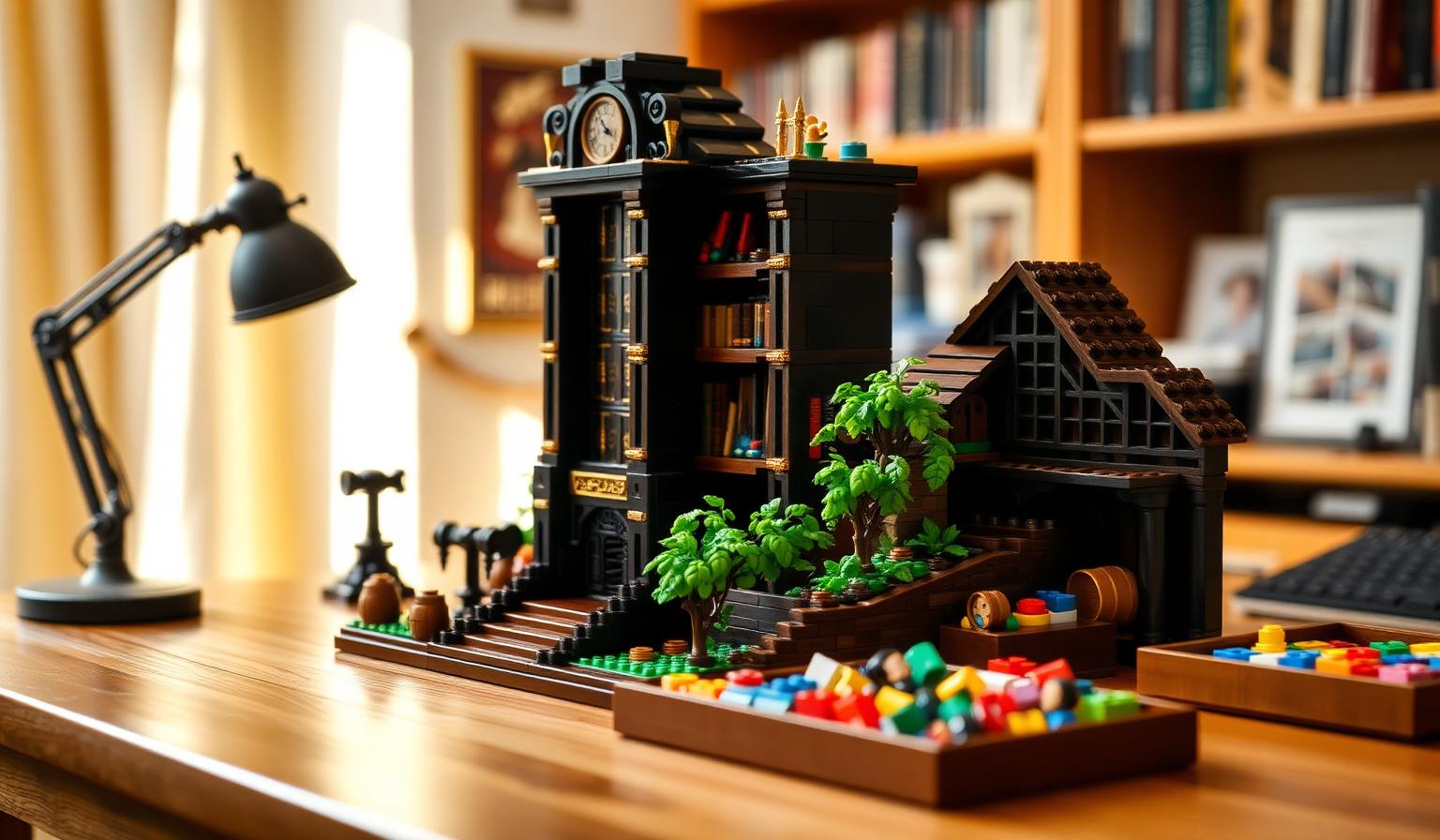
Better set choice, better build time, better display value.
Alternative building block sets now serve more than one purpose: adult hobby builds, home décor, family activity, STEM learning, collector shelves, weekend gifts, custom projects. The right set depends on use, space, skill level, compatibility, and long-term ownership.
For Western buyers in the US and Europe, the best choice is rarely "the biggest box." It is the model that fits the builder, the room, the budget, and the reason for buying. A compact desk model, a detailed steampunk library, a scenic lego vineyard, or other lego like blocks can all be the right choice when matched to the correct use case.
Use this guide as a practical buying framework. Check purpose first. Display space second. Then compare build quality, difficulty, compatibility, and future value.
1. Start With the Job of the Set
Purpose first. Product second. Most buyers fall into six clear groups: adult hobby builders, collectors, family users, gift buyers, custom creators, and décor-focused buyers.
Adult hobby builders want focus and a satisfying build rhythm. Collectors want distinct themes and long-term display value. Families want safe handling, clear instructions, and durability. Gift buyers want a personal match with low purchase risk. Creators want reusable parts and flexible structures.
A steampunk library works well for adults who want a layered interior, dark color palette, mechanical detail, and desk-shelf display. A lego vineyard suits buyers who prefer scenic layouts, rustic colors, and warmer home décor. Other lego like blocks may serve better for vehicles, architecture, fantasy rooms, or modular city builds.
2. Match the Theme to the Room
A finished build needs a home. US and European buyers display block sets in home offices, living rooms, gaming rooms, bookshelves, media units, studios, children's rooms, and glass cabinets. Each space needs a different kind of model.
Home Office and Desk Shelves
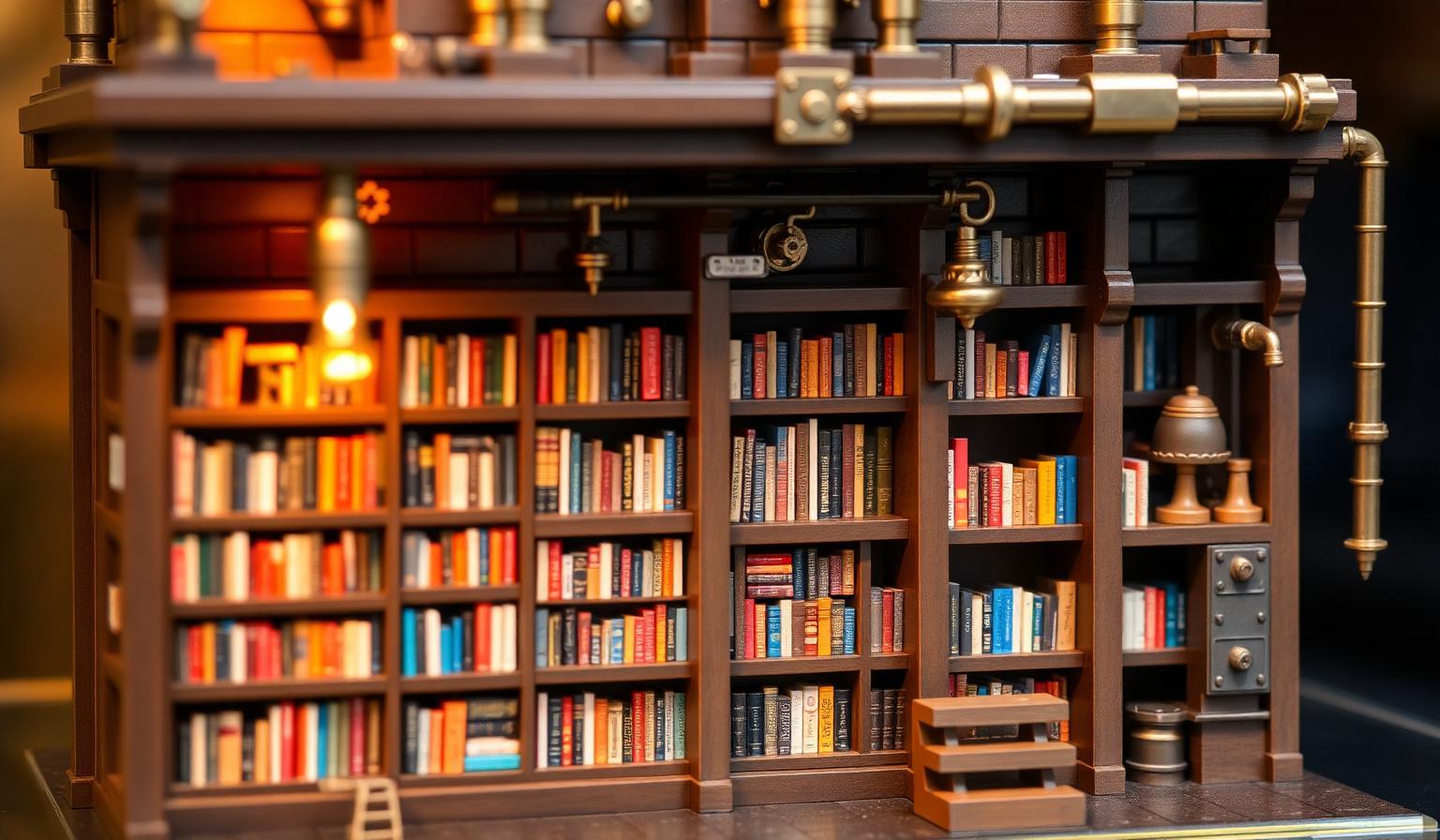
Clean lines, compact footprint, mature theme. Best choices: architecture, mechanical builds, bookshops, cabins, classic cars, libraries, and fantasy interiors. A steampunk library fits this space well — vertical build, rich interior detail, neutral dark tones, brass-style accents.
Living Rooms and Shared Spaces
Clear silhouette, balanced scale, warm colors. A lego vineyard works well in a living room, dining area, or wine corner. Grapevines, barrels, tasting tables, stone walls, and green-brown palettes blend with wood shelves, plants, and neutral interiors.
Family Rooms
Durability first. Detail second. Choose sturdy bases, modular sections, accessible interiors, and clear repair points. Hybrid sets give the best balance: good display value, enough strength for light play, strong STEM value.
Collector Cabinets
Theme variety, controlled spacing, dust protection. Mix height, subject, color, and build type: one tall build, one wide scenic model, one vehicle, one interior scene, one seasonal display. For collectors comparing alternative themes, browse current sets at CraftBlockWorld products and compare finished size, theme, and shelf fit before buying.
3. Check Skill Level Before Piece Count
Difficulty is not just the number on the box. A 900-piece model with tiny details and angled walls can feel harder than a 1,500-piece model with repeated sections. Check four things: part size, instruction density, structure type, and color separation.
Beginner Level (300–800 pieces)
Fast progress, simple shapes, low frustration. Best for first-time adult builders, casual gifts, and short family sessions.
Intermediate Level (800–2,000 pieces)
Best value range for most adults. A steampunk library often sits here when designed as a detailed interior model. A lego vineyard can also fit here with a small building, vine rows, barrels, and terrain details.
Advanced Level (2,000+ pieces)
Longer build, tighter sorting, stronger display. Best for collectors, experienced hobbyists, and adults who enjoy process as much as result. Advanced does not mean better for every buyer — only when the builder wants that effort.
4. Use Piece Count the Right Way
Piece count is a tool, not a value guarantee. Quick guide:
- Under 500 pieces: fast build, small gift, desk display, beginner use
- 500–1,200 pieces: casual adult build, family project, compact décor
- 1,200–2,500 pieces: weekend hobby build, strong display model, collector starter
- 2,500+ pieces: advanced collector set, large display, multi-session project
For many adult buyers, 1,000–2,500 pieces is the safest zone.
5. Verify Compatibility and Build System Fit
Many buyers choose lego like blocks because they want flexibility. Compatible parts allow mixing with existing collections, expanding models, replacing pieces, and building custom designs. Check product details for standard brick sizing, connection type, finished dimensions, and part support.
Compatibility matters most when the buyer owns other brick collections, plans to modify the model, builds with children, wants to expand dioramas, or creates original models. For background on the broader category, see our guide to generic LEGO brands and alternatives.
6. Inspect Build Quality Signals Before Buying
Good product pages reduce risk. Before buying, look for:
- Finished size and piece count listed
- Multiple display angles and clear photography
- Age or skill guidance
- Compatibility notes
- Missing-piece support and return policy
- Secure checkout and shipping details
Avoid vague listings with no measurements and no support path. Low price without clarity is not value.
7. Plan the Display Space Before Checkout
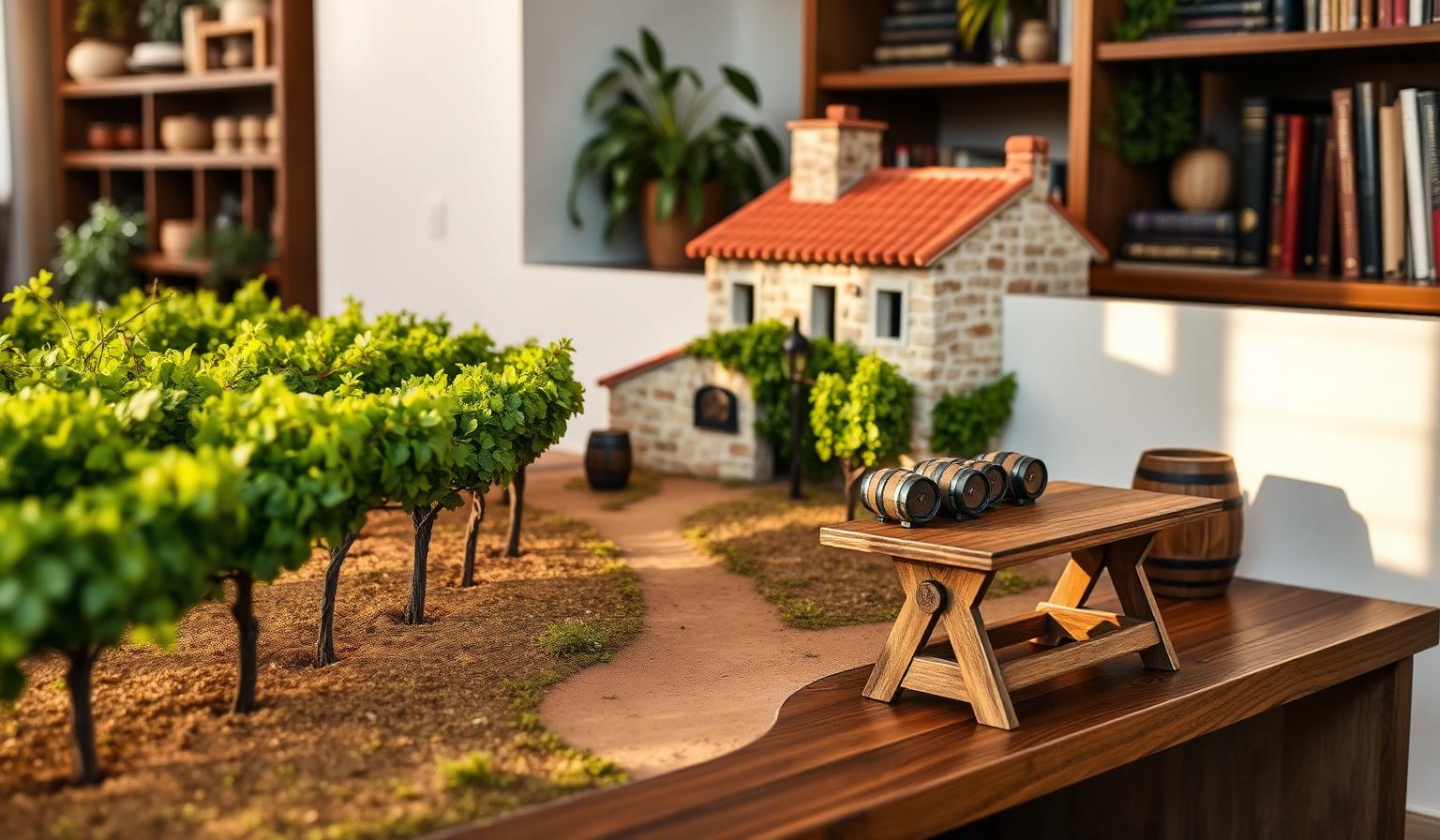
Measure first. Buy once. Most display problems come from depth, not height. Measure width, depth, height, and viewing distance. Leave breathing room around the finished model.
A lego vineyard may need more horizontal space; a steampunk library may need more vertical space. Best display locations: bookcase (medium builds), glass cabinet (collectors), desk shelf (compact architecture), media unit (wide scenic builds), wall shelf (light models only).
8. Choose Display, Play, or Hybrid Builds
Display builds reward slow building and careful placement — best for adults, collectors, and office shelves. A steampunk library is usually display-first.
Play builds need sturdy walls, accessible rooms, and stronger connections — best for children and STEM learning.
Hybrid builds combine display value with enough strength for light play. For parents buying one set for adults and children, hybrid is the safest option.
9. Buy by Lifestyle, Not Just Theme
Apartment buyers: compact footprint, vertical form. Narrow buildings, desk models, small cabins.
Homeowners: scenic builds, modular streets, large vehicles, vineyards, trains.
Parents: sets with numbered bags, clear instructions, sturdy sub-builds, roles for different ages.
Adult hobby builders: intermediate or advanced lego like blocks with a clear theme and satisfying details.
Collectors: distinct subject, shelf variety. A lego vineyard breaks up a shelf of buildings; a steampunk library adds interior depth and darker weight.
10. Build a Smart Budget
Price is only one part of cost. A finished model may need storage trays, display risers, lighting, dust covers, or extra shelves. Value comes from build hours plus display life. A set that takes ten hours to build and stays displayed for two years offers strong value. Best value test: will this model earn shelf space for 12 months?
11. Choose Better Gifts With Lower Risk
Personal match beats box size. Gift pairing: book lover → library or study build. Wine lover → lego vineyard. Engineer → mechanical model. Designer → architecture. Parent and child → hybrid family build. Collector → rare theme or large display piece.
For adult gifts, mature themes work better: cabins, cafés, libraries, vineyards, vehicles, architecture, fantasy interiors. Check build time before buying.
12. Plan for Customization and Rebuilds
A steampunk library can be customized with extra bookshelves, hidden doors, wall clocks, brass-style trim, or roof windows. A lego vineyard can be expanded with more vine rows, a wine cellar, tasting patio, delivery cart, or seasonal decorations.
Check how useful the parts will be after disassembly. Reusable parts, better long-term value. Browse display-ready and modification-friendly alternatives at building blocks for adults.
13. Set Up the Build Process
Use trays, bowls, or shallow boxes. Sort by part type first: plates, bricks, tiles, slopes, connectors, accessories. For family builds, assign roles: builder, sorter, instruction checker, section placer. Build time guide: short builds 1–3 hours; weekend builds 4–10 hours; advanced builds several evenings.
14. Maintain the Finished Model
Use a soft brush, small air blower, or enclosed display cabinet. Keep spare parts in labeled bags. Warm lighting works well for cabins, libraries, cafés, and vineyards. Cool lighting works better for sci-fi, vehicles, and modern architecture.
15. Avoid Common Buying Mistakes
- Buying by piece count only — compare finished size and build type
- Ignoring shelf depth — scenic builds need more room than expected
- Choosing the wrong difficulty — match set to time and experience
- Buying display models for heavy play — choose hybrid or play for children
- Skipping compatibility details — check before checkout
- Forgetting long-term storage — no home, no value
Final Buying Framework
Step 1: define the buyer. Step 2: define the main use. Step 3: choose the theme — steampunk library for bookish interiors, lego vineyard for scenic styling, lego like blocks for broad compatibility. Step 4: check size and difficulty. Step 5: confirm support.
Conclusion
The right alternative building block set is not just a cheaper version of a famous brick system. It is a hobby product, a display object, a family activity, a learning tool, and a collector piece. A detailed steampunk library, a warm lego vineyard, or a versatile set of lego like blocks can all deliver strong value when matched to the right builder and the right space.
Buy with a plan. Build with patience. Display with room to breathe.
FAQs
Are lego like blocks compatible with major brick brands?
Many use standard brick sizing, but compatibility varies by set. Check product details before buying, especially if mixing parts or customizing builds matters.
Is a steampunk library a good choice for adult builders?
Yes. It works well for adults who want detailed interiors, mature colors, display value, and strong shelf presence. Best fit: offices, bookcases, reading corners, and collector cabinets.
Who should buy a lego vineyard set?
A strong fit for wine lovers, scenic build collectors, gift buyers, and adults who prefer rustic décor. Best display areas: dining rooms, kitchens, living rooms, wine shelves, and wide bookcases.
How do I choose between display and play sets?
Display sets for shelves, collectors, and adult hobby use. Play sets for children and frequent handling. Hybrid sets when the model needs to look good and survive light family use.
What piece count is best for a first adult build?
For most first-time adult builders, 800–1,500 pieces is a safe range — enough detail without becoming overwhelming.