How to Build the Ultimate Cyberpunk LEGO Masterpiece
Ready to build a neon-lit futuristic metropolis? Learn how to master complex building techniques and create an incredible cyberpunk city.
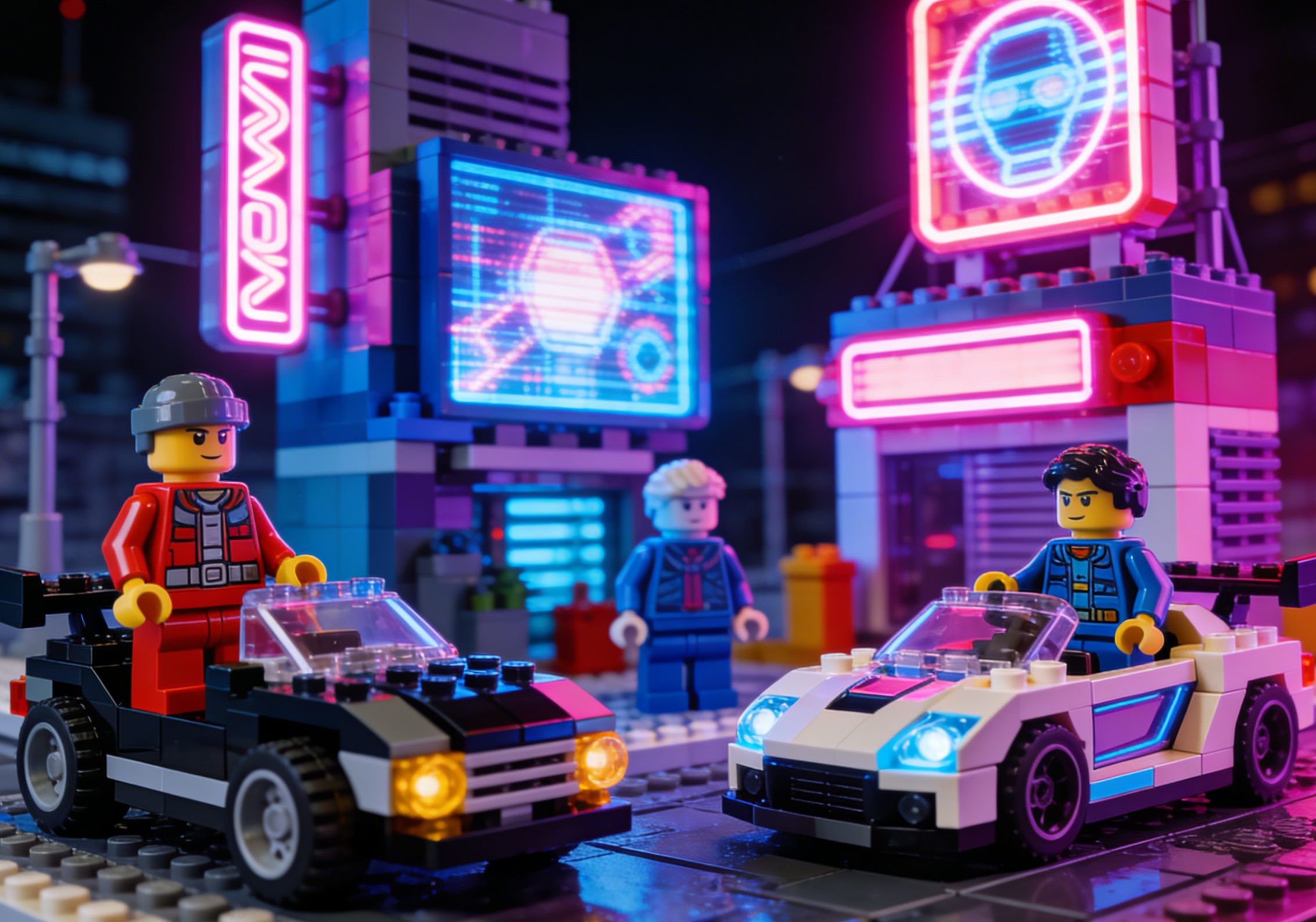
Do you want to transform a pile of colorful bricks into a sprawling, neon-drenched metropolis? Building a futuristic city offers one of the most rewarding challenges for hobbyists, engineers, and creative families alike. You get to combine architectural design, mechanical engineering, and pure imagination into a single, breathtaking project.
Whether you want to unwind after a long week of IT work or share a complex STEM-focused project with your kids, diving into the futuristic aesthetic is the perfect way to unlock your creativity. You can build soaring skyscrapers, gritty alleyways, and flying vehicles that look like they jumped straight out of a sci-fi movie.
In this comprehensive guide, we will walk you through the exact steps to plan, design, and construct an awe-inspiring cyberpunk lego display. You will learn advanced building techniques, how to integrate custom lighting, and ways to bring your high-tech city to life. Grab your favorite bricks, clear off your building table, and let us dive into the ultimate construction adventure.
Why Choose the Sci-Fi and Cyberpunk Aesthetic?
Before we start snapping bricks together, it helps to understand why this specific style captures the imagination of so many builders across the globe. The sci-fi city aesthetic represents a clash of advanced technology and gritty, crowded urban living. This contrast provides endless opportunities for creative expression.
Enhancing STEM Skills Through Complex Builds
Building a multi-level city is not just about stacking blocks. It requires serious spatial reasoning, structural engineering, and problem-solving skills. When you design a tower that must support the weight of flying cars and intricate lighting systems, you are actively applying STEM (Science, Technology, Engineering, and Mathematics) principles.
For parents, these projects offer incredible family bonding time. You can introduce your children to structural stability and basic circuitry while keeping them engaged away from digital screens. You build and learn together, creating a masterpiece that serves as both a toy and an educational tool.
A Relaxing Outlet for Creative Professionals
Many adult fans of building blocks work in technical fields like software development, engineering, or graphic design. After spending all day looking at code or digital blueprints, working with tangible, physical elements offers a therapeutic escape. You control the rules of your metropolis. You decide where the roads go, how tall the buildings stand, and what stories unfold in the city streets.
Step 1: Planning Your Neon Metropolis
Every massive project starts with a solid blueprint. You do not need to draw every individual piece, but having a general layout will save you hours of frustration later.
Define Your Scale and Base
Decide how large your city will be. Will it fit on a single 32x32 stud baseplate, or will it span across an entire dining room table? We recommend starting with a modular approach. Build your city one block or one building at a time. This allows you to easily move sections around and expand your display as your collection grows. You can find excellent modular baseplates to start your journey when you visit our collection at Craft Block World.
Establish a Color Palette
The right colors dictate the entire mood of your build. A futuristic city relies heavily on dark, moody backgrounds punctuated by bursts of vibrant, synthetic colors.
Build your foundational structures—like roads, lower-level buildings, and industrial pipes—using grays, blacks, and dark blues. Then, use transparent neon green, bright pink, trans-light blue, and vibrant yellow to simulate glowing signs, energy beams, and advanced technology. The contrast between the dark industrial base and the bright neon accents instantly communicates the high-tech atmosphere.
Step 2: Sourcing the Right Materials
You might already have a massive bin of assorted bricks, but creating a specific aesthetic often requires hunting down unique parts.
Look for Industrial and Mechanical Pieces
To capture the futuristic look, you need pieces that suggest complex machinery. Dig through your collection for:
- Grille tiles for ventilation shafts
- Binoculars and tap pieces for pipe fittings
- Hinges, clips, and robotic arms for mechanical detailing
- Translucent tiles for holographic billboards
- Wedge plates to create sharp, aerodynamic angles on vehicles
Repurpose Unlikely Pieces
The best builders look at a standard piece and imagine what else it could be. A minifigure accessory, like a space blaster, can become a roof antenna. A shiny silver goblet can serve as an exhaust port on a hovering speeder. Train tracks can be mounted vertically to look like futuristic elevator shafts. Thinking outside the box allows you to add unparalleled depth to your architecture.
Step 3: Mastering Advanced Building Techniques
To move away from basic, blocky houses and step into the realm of complex sci-fi architecture, you need to employ some advanced building strategies.
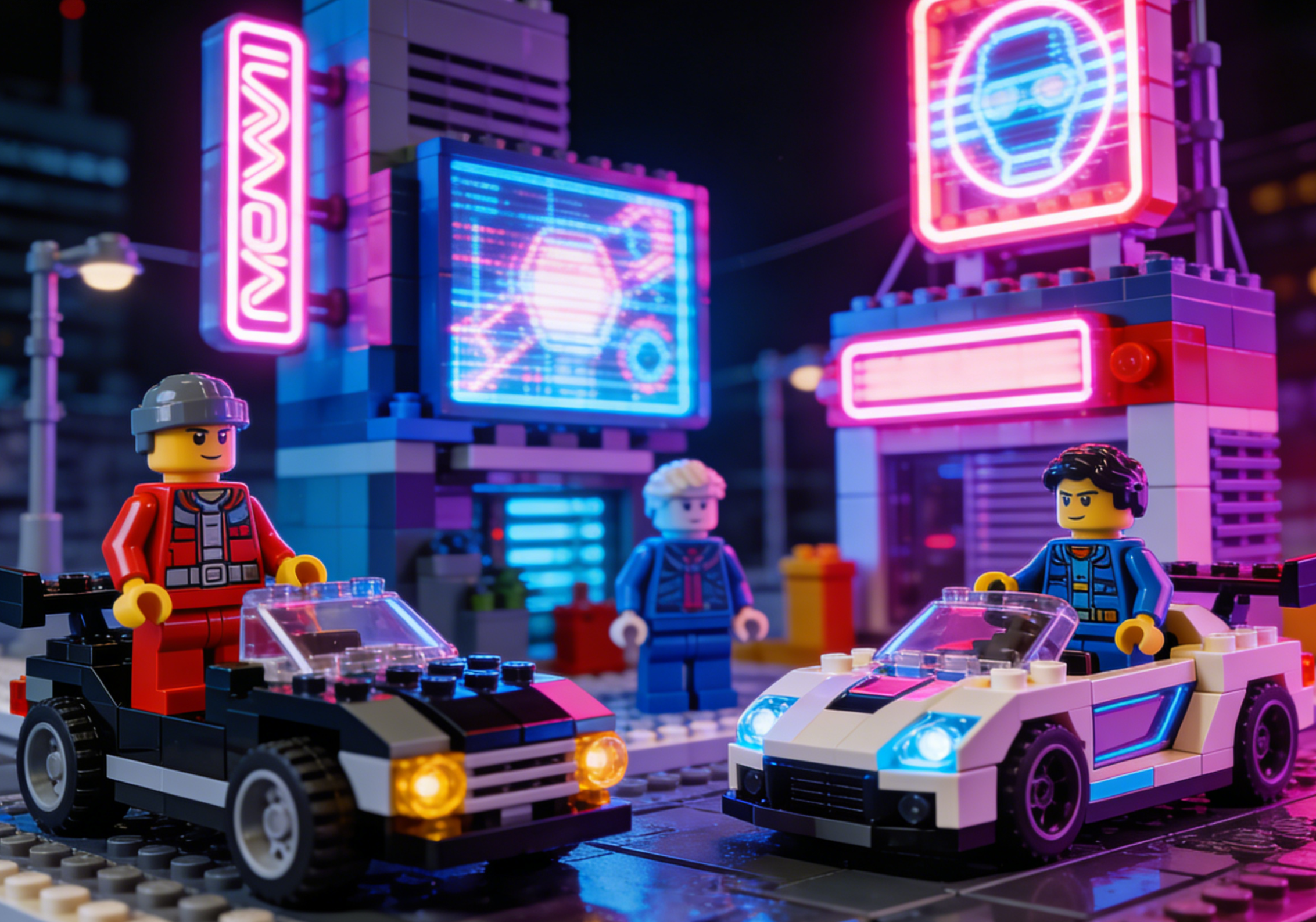
The Art of Greebling
"Greebling" is a term used by model makers to describe the addition of small, intricate details to the surface of an object to make it look more complex and technologically advanced. In your city, smooth walls are your enemy.
Add texture to the sides of your skyscrapers by attaching jumper plates, exposed studs, ingots, and modified bricks with clips. Run strings and flexible hoses down the sides of your buildings to represent exposed wiring. This chaotic, highly detailed look is exactly what gives a sci-fi city its gritty, lived-in feel.
Verticality and Layering
Futuristic cities build up, not out. Your city should feature multiple levels. Create a dark, industrial ground level where the lower classes live, filled with dumpsters, steam vents, and narrow alleys. Then, build elevated walkways, monorail tracks, and gleaming upper-level penthouses for the elite.
Using clear support pillars or sturdy Technic beams hidden inside your structures will allow you to safely support these heavy upper tiers. If you need robust structural components to handle complex layering, you can always explore the highly durable options available through the structural kits at Craft Block World.
SNOT Technique (Studs Not On Top)
The SNOT technique involves building sideways or upside down. By using brackets and bricks with studs on the side, you can create smooth, flat surfaces or entirely new geometric shapes that defy standard top-down building. This technique is essential for building sleek flying cars, angled skyscraper roofs, and smooth advertising billboards that hang over the streets.
Step 4: Adding Lights and Mechanics (STEM Focus)
A futuristic city is not complete until it glows in the dark. Adding electronic components takes your build from a simple model to a museum-quality display. This step also provides incredible educational value, teaching basic circuitry and mechanical logic.
Integrating LED Lighting
Lighting is the most impactful upgrade you can make to your cyberpunk lego display. You can purchase specialized micro-LED kits designed specifically for building blocks.
- Streetlights and Vehicles: Run tiny wires through hollow studs to light up the headlights of a flying car or a streetlamp illuminating a dark alley.
- Glowing Billboards: Place LEDs behind translucent colored tiles to create illuminated shop signs and holographic advertisements.
- Interior Lighting: Add warm lights inside apartments and noodle stands to create a sense of life, while using harsh blue or green lights for industrial zones.
Incorporating Movement
Why settle for a static display when you can add motion? Using small motors, gears, and axles, you can bring the city to life. Create a rotating holographic sign on top of a tower. Build a moving monorail that travels between skyscrapers. Design a sliding blast door for a high-tech garage. Integrating these mechanical elements requires patience and testing, but the result is an engaging, dynamic world that commands attention.
Step 5: Designing the Streets and Vehicles
The architecture sets the stage, but the vehicles and street-level details tell the story.
Crafting Hover-Cars and Speeders
Futuristic transport should look fast and sleek. Ditch the standard wheels. Instead, use inverted radar dishes or smooth round tiles to represent hover-pads. Build sharp, angular chassis using wedge plates. Add massive jet engines to the back using barrel pieces and translucent orange cones to simulate thrust.
Designing the Urban Clutter
A realistic sci-fi city is messy. Populate your streets with the clutter of daily life. Build small, crowded food stalls selling neon noodles. Create vending machines packed with brightly colored energy drinks. Scatter tiny robotic cleaner drones across the sidewalks. These micro-builds require only a few pieces each but add massive character to your overall design.
For exclusive elements and customizable parts to help populate your bustling urban environment, remember to check out the unique collections at Craft Block World.
Step 6: Storytelling Through Minifigures
A city without citizens is just a ghost town. Placing your characters thoughtfully brings the entire project together.
Mix and match your minifigure parts to create unique citizens. Combine a space helmet with a traditional business suit, or give a street vendor robotic cybernetic arms. Pose your characters dynamically. Have a squad of futuristic police officers chasing a rogue hacker across a rooftop. Place a mechanic underneath a hovering speeder, wrench in hand. Set up a secret meeting in a dark alley between a corporate executive and an underground informant.
These small vignettes give viewers something new to discover every time they look at your city. It rewards close inspection and sparks the imagination.
Step 7: Joining the Builder Community
Building is only half the fun; sharing your creation with the world is where the magic truly happens. There is a massive, highly active online community of hobbyists who share your passion for complex, large-scale models.
Take well-lit photographs of your city. Turn off the room lights and let your custom LEDs shine to capture the moody, atmospheric vibe of your neon metropolis. Share these photos on dedicated forums, social media groups, and community platforms.
Engaging with the community allows you to receive constructive feedback, discover new building techniques, and find inspiration for your next expansion. You might even find yourself collaborating on massive, multi-person displays at local conventions.
Conclusion
Building a massive sci-fi metropolis is a journey of creativity, engineering, and storytelling. By planning your layout, mastering advanced techniques like greebling, integrating custom LED lighting, and bringing your streets to life with unique characters, you create an experience rather than just a model.
This hobby offers the perfect blend of educational STEM benefits for families and a relaxing, deeply rewarding creative outlet for adults. Do not be afraid to tear down sections that are not working and rebuild them stronger and more detailed. The city is yours to command.
Unlock your creativity today. Gather your pieces, start stacking your bricks, and watch as your neon-lit future comes to life right before your eyes. Keep expanding, keep experimenting, and most importantly, keep building.