Mastering Modern Construction: A Deep Dive into Builder Blocks for US & EU Markets
Explore the world of builder blocks. Discover their types, advantages, and innovative applications in construction across US and European markets.
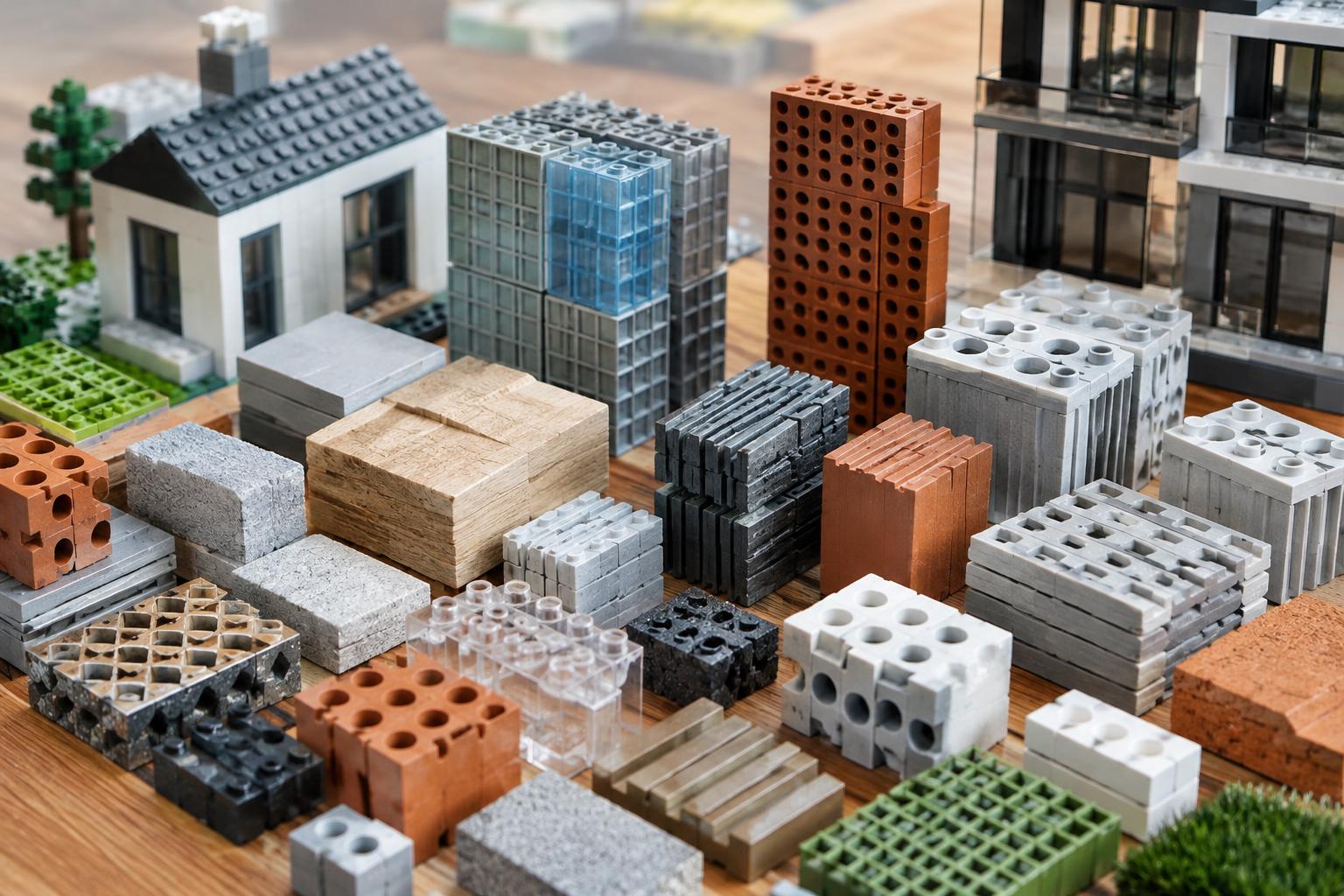
The landscape of construction is undergoing a profound transformation, driven by demands for greater efficiency, sustainability, and cost-effectiveness. At the heart of this evolution lies the innovative concept of builder blocks – standardized, often prefabricated components that streamline the entire building process. Far from being just simple bricks, today's builder blocks encompass a vast array of materials and systems, from advanced concrete units to complex modular assemblies and digital design elements. This comprehensive guide will explore the various types of builder blocks, their immense advantages, and their critical role in shaping the future of construction across both the United States and European markets. Understanding these foundational elements is key for anyone involved in modern building practices, from architects and engineers to contractors and developers, and resources like craftblockworld are invaluable for staying informed.
What Are Builder Blocks? Defining the Foundation of Modern Building
At its core, the term builder blocks refers to any standardized unit or component designed for efficient assembly into larger structures. Historically, this meant bricks or cut stones. In the contemporary context, however, the definition has expanded dramatically. Today, builder blocks can be physical components, such as precast concrete panels, structural insulated panels (SIPs), or cross-laminated timber (CLT) modules. They can also be digital, representing repeatable elements within Building Information Modeling (BIM) software or parametric design tools, enabling rapid prototyping and virtual construction.
The essence of a builder block is its modularity and repeatability, allowing for predictable performance, mass production, and faster on-site assembly. This approach moves away from traditional, labor-intensive, stick-built construction towards a more industrialized, assembly-line methodology, bringing significant improvements in quality, speed, and cost control.
The Evolution of Builder Blocks: From Ancient Structures to Industrialized Systems
The concept of using standardized units for construction dates back millennia, from the precisely cut stones of ancient Egyptian pyramids to Roman concrete and medieval timber framing. These early forms of builder blocks laid the groundwork for systematic construction. The industrial revolution brought about mass-produced bricks and steel, further standardizing building components.
However, the true revolution in builder blocks began in the 20th century with the advent of prefabrication and modular construction. Post-war housing shortages spurred innovations in producing entire home sections off-site. Today, this evolution continues with advanced materials science, digital design tools, and sustainable manufacturing processes pushing the boundaries of what builder blocks can achieve, making them central to sustainable and efficient building practices advocated by platforms such as builder blocks content.
Diverse Types of Builder Blocks Shaping the Built Environment
The variety of builder blocks available today caters to virtually every aspect of construction, offering specialized solutions for structural integrity, insulation, aesthetics, and rapid assembly.
Traditional and Advanced Material Blocks
- Concrete Blocks (CMUs): Still a staple, concrete masonry units offer durability, fire resistance, and thermal mass. Innovations include lightweight aggregates, enhanced insulation properties, and aesthetic finishes.
- Bricks: Timeless for their aesthetic appeal and longevity, bricks continue to be a popular choice, with modern manufacturing introducing precise dimensions, diverse colors, and improved thermal performance.
- Aerated Autoclaved Concrete (AAC) Blocks: These lightweight, porous blocks offer excellent thermal insulation, fire resistance, and sound absorption, making them popular in energy-efficient construction, particularly in Europe.
- Cross-Laminated Timber (CLT) and Glued Laminated Timber (Glulam): Engineered wood products gaining traction for their strength-to-weight ratio, sustainability, and aesthetic qualities. They allow for rapid assembly of large structural elements.
- Structural Insulated Panels (SIPs): Comprising an insulating foam core sandwiched between two structural facings (e.g., OSB), SIPs provide superior insulation and strength, leading to highly energy-efficient buildings.
Modular and Prefabricated Components
- Volumetric Modules: Entire three-dimensional units, such as rooms or sections of a building, are manufactured off-site and transported to the construction site for assembly. This method is exceptionally fast and reduces on-site disruption.
- Panelized Systems: Two-dimensional wall, floor, and roof panels are manufactured off-site, complete with openings for windows and doors, and sometimes even plumbing or electrical conduits, then assembled on-site.
- Hybrid Modular: A combination of volumetric and panelized approaches, offering flexibility to optimize both manufacturing efficiency and design customization.
Digital Design Blocks and Software Components
In the digital realm, builder blocks are virtual components within software platforms like Building Information Modeling (BIM). These digital blocks represent physical elements such as walls, windows, doors, HVAC units, or structural beams. They carry not just geometric information but also data about materials, costs, thermal properties, and maintenance schedules. This allows for:
- Rapid Prototyping: Designers can quickly assemble virtual buildings, test different configurations, and visualize outcomes.
- Clash Detection: Identifying potential conflicts between different building systems (e.g., plumbing interfering with structural elements) before construction begins.
- Quantity Take-offs: Automated generation of material lists and cost estimates.
- Parametric Design: Blocks can be linked to parameters, allowing designers to change one value (e.g., wall thickness) and automatically update related components throughout the model.
Key Advantages of Utilizing Builder Blocks in Modern Construction
The strategic adoption of builder blocks offers a myriad of benefits that address many of the challenges faced by the traditional construction industry.
Enhanced Efficiency and Speed of Construction
One of the most compelling advantages of builder blocks is the drastic reduction in project timelines. Off-site manufacturing allows for parallel processing: site preparation can occur simultaneously with the fabrication of building components in a controlled factory environment. This minimizes delays due to adverse weather, improves labor utilization, and accelerates the overall construction schedule, getting projects completed faster and occupied sooner.
Significant Cost-Effectiveness
While the initial cost of some specialized builder blocks might seem higher, the overall project cost often decreases. This is due to:
- Reduced Labor Costs: Factory production typically requires less on-site labor and reduces specialized skills needed on-site.
- Minimized Waste: Precise manufacturing in a controlled environment leads to less material waste compared to cutting and fitting materials on a chaotic job site.
- Shorter Project Duration: Faster completion means reduced financing costs, quicker return on investment, and less overhead.
- Predictability: Standardized components lead to more accurate budgeting and fewer unforeseen expenses.
Sustainability and Waste Reduction
Environmental responsibility is a growing imperative in construction, and builder blocks are at the forefront of sustainable practices:
- Material Efficiency: Factory environments enable precise cutting and optimized material usage, drastically cutting down on waste. Scraps can often be recycled or reused within the factory.
- Reduced Transportation: While components are transported to the site, fewer truckloads are often required compared to delivering raw materials in bulk.
- Energy Efficiency: Many modern builder blocks, like SIPs or AAC, offer superior insulation properties, leading to buildings with significantly lower heating and cooling demands over their lifespan.
- Use of Recycled Materials: Increasingly, builder blocks are manufactured from recycled content, such as fly ash in concrete or reclaimed timber.
- Lower Site Impact: Less on-site construction activity means less noise, dust, and disruption to local ecosystems.
Flexibility and Adaptability in Design
Contrary to common misconceptions, modular builder blocks do not necessarily limit architectural creativity. Modern systems allow for a high degree of customization and flexibility. Designers can combine different block types, finishes, and configurations to create unique and aesthetically pleasing structures. The digital nature of many builder blocks also allows for easy modification and iteration during the design phase, fostering innovation and bespoke solutions.
Enhanced Quality Control
Manufacturing builder blocks in a controlled factory environment allows for rigorous quality control at every stage. This contrasts sharply with variable on-site conditions, which can impact the quality of traditional construction. Factory production ensures consistency in dimensions, material strength, and finishes, leading to higher-quality, more durable, and reliable structures. This meticulous attention to detail is a hallmark of the products and services found through providers like craftblockworld.
Improved Safety Records
Moving a significant portion of construction work from potentially hazardous outdoor job sites to controlled factory settings inherently reduces risks. Factory environments offer better lighting, ergonomically designed workstations, and regulated safety protocols, leading to fewer accidents and injuries. On-site work is then primarily assembly, which is generally less risky than complex, raw material construction.
Applications Across Diverse Industries and Projects
The versatility of builder blocks means they are being adopted across a broad spectrum of construction projects, from residential homes to large-scale infrastructure.
Residential Construction
In both the US and Europe, builder blocks are revolutionizing residential building. They enable faster construction of single-family homes, multi-story apartments, and affordable housing complexes. Modular homes, built using volumetric blocks, can be erected in a fraction of the time of traditional builds, offering consistent quality and energy performance.
Commercial and Industrial Buildings
From office blocks and retail spaces to warehouses and factories, builder blocks provide efficient solutions for large-scale commercial projects. Precast concrete panels for facades, structural steel modules, and panelized wall systems accelerate construction, minimize disruption to business operations, and allow for flexible interior layouts.
Infrastructure Projects
While often overlooked, infrastructure projects also heavily rely on builder blocks. Precast concrete elements for bridges, tunnels, retaining walls, and utility structures significantly speed up critical infrastructure development, reducing on-site labor and ensuring consistent strength and durability.
Digital Prototyping and Simulation
As mentioned, digital builder blocks are indispensable in architectural and engineering firms. They enable designers to simulate building performance, analyze energy consumption, and optimize structural integrity long before any physical construction begins. This reduces errors, saves costs, and improves the overall quality of the final design.
Innovation at the Forefront: The Future of Builder Blocks
The field of builder blocks is continuously evolving, driven by technological advancements and a growing emphasis on smart, sustainable, and resilient construction.
Smart Blocks and Integrated Technologies
The integration of technology into builder blocks is paving the way for "smart" buildings. Imagine blocks with embedded sensors for monitoring structural integrity, temperature, or humidity. Some blocks might even incorporate photovoltaic cells for energy generation or smart materials that adapt to environmental changes. This level of integration promises buildings that are not only efficient but also highly responsive and adaptive.
3D-Printed Blocks
Additive manufacturing, or 3D printing, is poised to redefine builder blocks. Large-scale 3D printers can produce complex geometric blocks from various materials, including specialized concrete mixes, polymers, or even recycled composites. This technology allows for unprecedented design freedom, rapid prototyping, and on-demand manufacturing, potentially reducing waste and transportation costs even further.
Recycled and Sustainable Material Innovations
Research into new sustainable materials for builder blocks is ongoing. This includes developing blocks from waste products like plastic, fly ash, demolition debris, or agricultural byproducts. The goal is to create materials that are not only environmentally friendly but also offer superior performance in terms of insulation, strength, and durability, aligning perfectly with green building certifications.
AI-Driven Design and Block Libraries
Artificial intelligence is increasingly being used to optimize the design and selection of builder blocks. AI algorithms can analyze vast datasets to recommend the most efficient, cost-effective, and sustainable block configurations for a given project. Coupled with extensive digital block libraries, AI can accelerate the design process, identify innovative solutions, and ensure compliance with complex building codes and environmental standards.
Choosing the Right Builder Blocks for Your Project
Selecting the appropriate builder blocks is crucial for a project's success. This decision should involve a careful consideration of several factors:
- Project Type and Scale: A residential extension will have different requirements than a high-rise commercial building or a public infrastructure project.
- Performance Requirements: Consider factors like structural strength, thermal insulation (U-values), acoustic performance, fire resistance, and moisture control.
- Material Properties: Evaluate the benefits of concrete, timber, steel, or composite materials based on durability, maintenance, and environmental impact.
- Cost and Budget: Analyze the total cost of ownership, including material costs, labor for installation, long-term energy savings, and maintenance.
- Aesthetics: The visual appeal and finish of the blocks play a significant role, especially for visible facades or interior surfaces.
- Local Regulations and Standards: Ensure chosen blocks comply with all relevant building codes, safety standards, and environmental certifications in the US or European region.
- Supplier Reliability and Expertise: Partner with reputable suppliers who can provide quality products, technical support, and timely delivery. Resources available on builder blocks can offer guidance on these choices.
Conclusion
The evolution of builder blocks signifies a paradigm shift in the construction industry, moving towards more industrialized, efficient, and sustainable practices. From the foundational concrete masonry unit to advanced modular systems and digital design components, these standardized elements are empowering architects, engineers, and contractors to build faster, smarter, and with a reduced environmental footprint. As technology continues to advance, the potential for innovation in builder blocks is limitless, promising a future where construction is not only more productive but also inherently more responsible. Embracing these technologies and methodologies is not just about staying competitive; it's about building a better, more sustainable future, a mission greatly supported by resources and expertise found at craftblockworld.
Frequently Asked Questions (FAQ)
What are builder blocks in modern construction?
In modern construction, builder blocks refer to a broad category of standardized, often modular, components used to construct buildings and infrastructure. This can include traditional materials like concrete or brick, prefabricated wall panels, structural insulated panels (SIPs), and even digital components used in Building Information Modeling (BIM) for design and planning.
What are the primary advantages of using builder blocks?
The primary advantages include enhanced efficiency and speed of construction, significant cost savings due to reduced labor and waste, improved quality control through factory production, greater flexibility and adaptability in design, and better sustainability outcomes by utilizing recycled or energy-efficient materials. They streamline the construction process from design to completion.
How do builder blocks contribute to sustainable building practices?
Builder blocks contribute to sustainability in several ways: by reducing on-site waste through precise prefabrication, enabling the use of recycled and locally sourced materials, improving energy efficiency through better insulation properties, and facilitating easier deconstruction and reuse of components at the end of a building's lifecycle. This holistic approach minimizes environmental impact.
Are builder blocks suitable for all types of construction projects?
While builder blocks offer immense versatility, their suitability depends on the specific project requirements. They are highly effective for residential, commercial, and even some infrastructure projects due to their modularity and efficiency. However, highly bespoke or historically sensitive projects might require more traditional, site-specific construction methods. Digital builder blocks are universally applicable for design and planning across all project types.
Where can I find more information and resources on builder blocks?
For comprehensive information, industry standards, and best practices regarding builder blocks, you can explore resources from organizations like the National Association of Home Builders (NAHB) in the US, relevant European building standards bodies (e.g., CEN, national institutes), and specialized architectural and construction publications. Additionally, platforms like craftblockworld.com/blog often provide valuable insights and practical guides.