How to Build a Chinese Performance Theater with Ancient Music Hall Blocks
Complete step-by-step brick guide to building a Chinese performance theater — history, dougong roof, columns, courtyard and display tips.
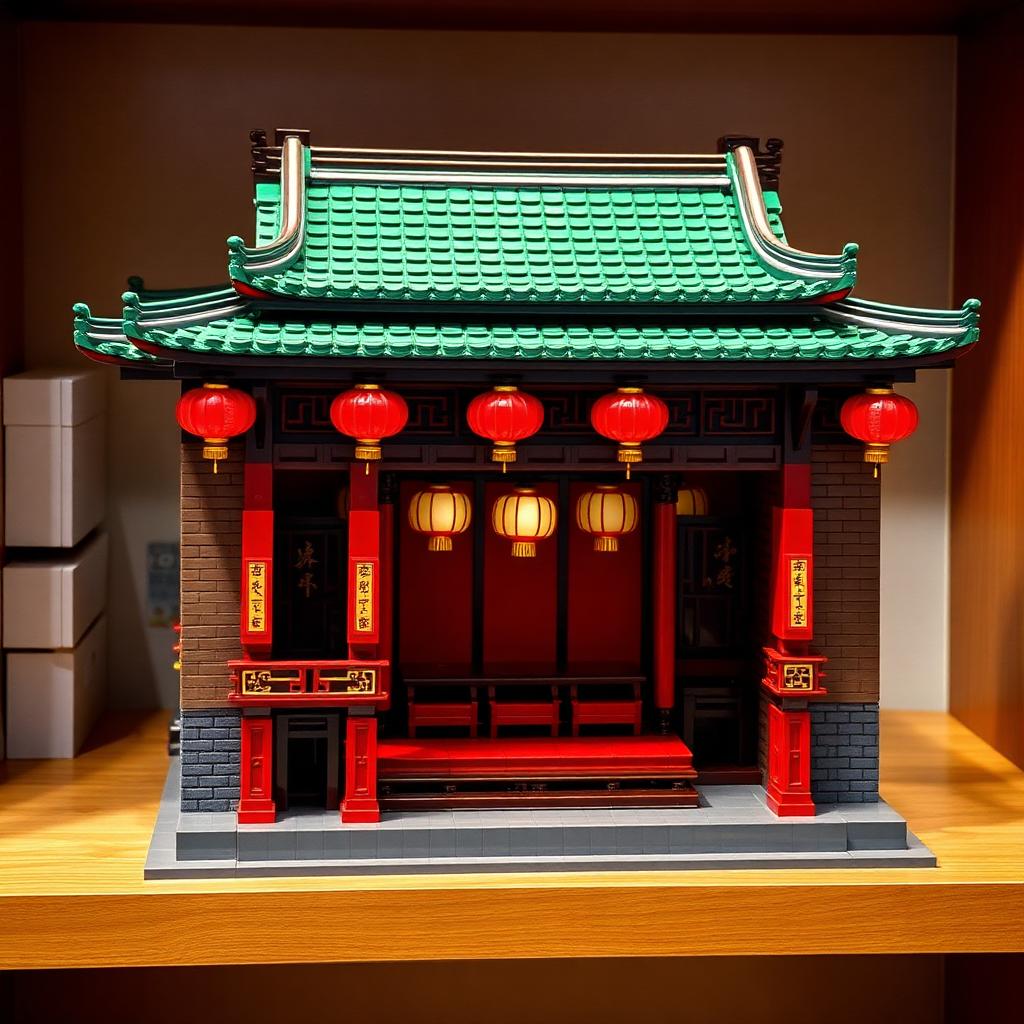
TL;DR: Building a Chinese performance theater with bricks lets you recreate one of history's most layered architectural traditions — from upturned eaves and dougong brackets to raised performance stages. This guide walks through planning, structure, roofwork, interior details, and display.
For anyone who has ever stood in front of a traditional performance pavilion and thought, how was that made? — this guide is for you. Ancient music halls represent one of the most intricate and visually rewarding subjects in all of architectural brick building.
This guide covers everything: the history behind these remarkable structures, a full step-by-step building method, display recommendations, and how ancient music hall blocks can bring centuries of cultural heritage into your home or workspace.
Why Does a Chinese Performance Theater Make Such a Compelling Build?
There is something different about building a Chinese performance theater compared to a European castle or Japanese pagoda. The architecture tells a story. Every overhanging eave, every red-lacquered column, every open courtyard — each element carries meaning rooted in centuries of performance culture.
These structures were designed to frame an experience: to direct sound, guide sightlines, and signal, through color and form alone, the importance of what happened on the stage below. A well-built cultural stage brick model is a conversation piece with over a thousand years of history behind it.
What Makes Ancient Music Hall Architecture So Distinct?
How Did Ancient Performance Spaces Develop Over Time?
The roots of Chinese performance culture stretch back to the Shang dynasty (c. 1766–1066 BC), when ritual dances formed the earliest theatrical traditions. The Tang dynasty (618–907 AD) is widely considered the golden age — elaborate baixi spectacles brought together jugglers, musicians, martial artists, and dancers. By the Song dynasty (960–1279 AD), dedicated music halls with raised stages and sophisticated acoustic arrangements had become civic fixtures.
What Are the Signature Architectural Features to Recreate?
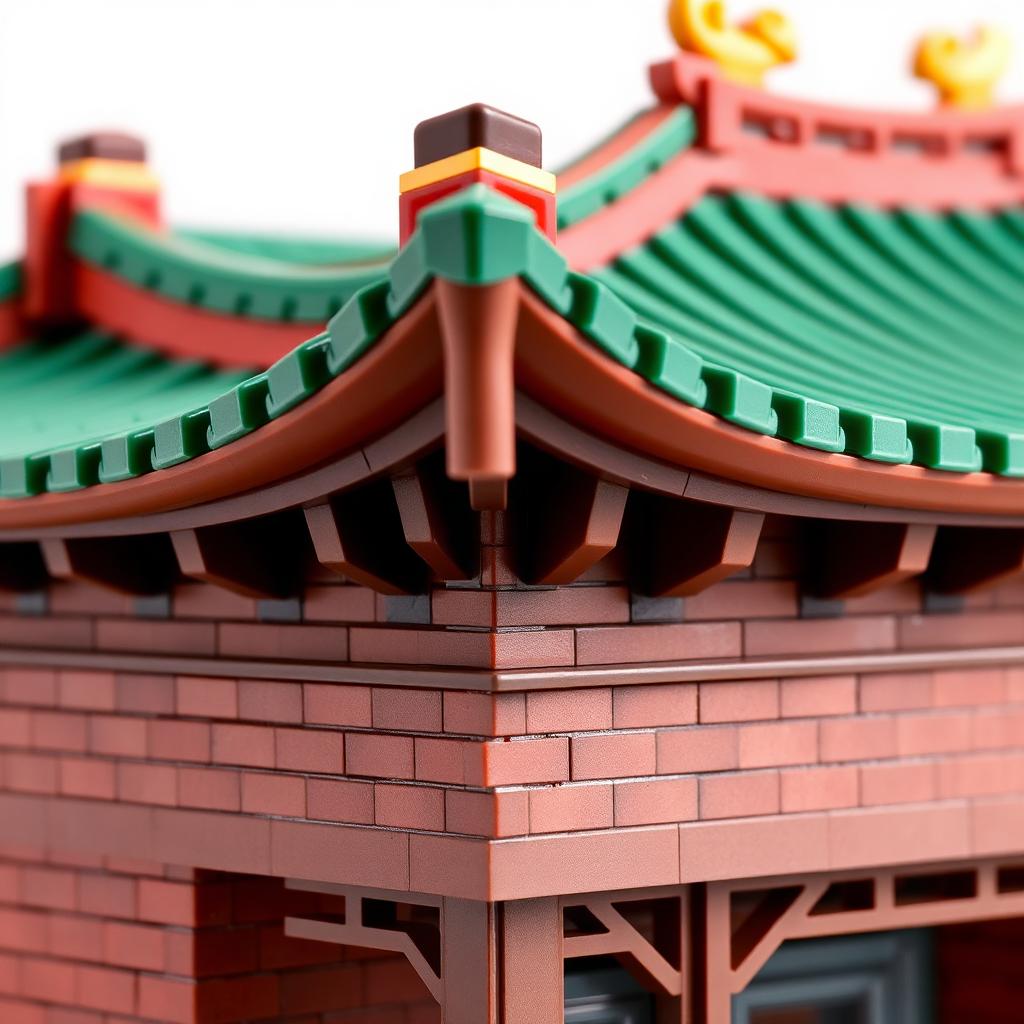
- Dougong brackets — interlocking bracket sets that distribute roof weight. In brick form, use stacked headlight bricks and SNOT techniques.
- Upturned eaves — the sweeping curved roofline in green, red, or yellow glazed tiles.
- The raised stage platform (yuetai) — elevated and open on three sides for sound projection.
- Red lacquered columns — cylindrical or round-edged bricks in dark red or burnt sienna.
- Open courtyards — channeling foot traffic and sound before the performance begins.
What Pieces and Tools Do You Need for Your Cultural Stage Brick Model?
Essential brick types: angled plates and wedge bricks (roof), SNOT and headlight bricks (dougong), cylindrical bricks (columns), jumper plates (railings), large flat plates (courtyard), tile bricks in dark green and glazed red, and minifigures in Tang/Song costume.
Recommended colors: dark red, dark green, tan, gold/yellow accents, dark brown structural beams.
You can browse our full range of compatible architectural brick pieces at LEGO Alternative or through the Products catalogue.
Step-by-Step Guide: How Do You Build an Ancient Music Hall?
Step 1: Plan Your Layout and Base
Traditional music halls followed a roughly rectangular plan, wider than deep, with the stage centered along one long wall. A display-quality base of 48x48 studs gives room for the stage, courtyard, and landscape framing. Establish ground level with tan and grey flat plates, mark where the stage platform will sit — slightly elevated — and where the outer columns stand.
Step 2: Build the Stage Platform and Columns
Build the stage (yuetai) 3–4 bricks above courtyard level using stacked flat plates and solid brick layers. Add a low railing around the perimeter with 1x2 plates and tile capping. For columns, stack round brick elements in dark red — six to eight across the facade, evenly spaced, leaving the performance area open between them.
Step 3: Construct the Roof and Acoustic Features
Begin with the inner ceiling above the columns, then build upward and outward — stacked offset plates and angled wedge bricks create the upward curve. The eaves should extend noticeably beyond the column line. Cover the surface with tile bricks in dark green or olive green. Add a ridge beam and place gold/yellow accent pieces at the ridge ends. For dougong detail beneath the eaves, use sideways-turned headlight bricks combined with 1x1 and 1x2 dark brown plates.
Step 4: Bring the Interior to Life

- Place two or three minifigures in performance postures on the raised stage.
- Arrange 1x1 round tiles in gold as percussion instruments or gongs.
- Use a flat tile in dark red as a backdrop screen that reflects sound forward.
- Include a low staircase on one or both sides of the stage.
Do not overfill the interior — empty space on a performance stage reads as intentional.
Step 5: Decorate the Exterior Authentically
Hang red lantern elements beneath the eaves using 1x1 round bricks with a bar. Lay a courtyard in alternating tan and grey tile bricks in a grid pattern, then frame it with a low perimeter wall and a gated entrance. Add one or two trees using dark green foliage and brown trunks.
How Should You Display Your Cultural Stage Brick Model?
Position the model at eye level or slightly below — traditional music halls were designed to be experienced looking slightly up toward the stage. A warm white LED strip placed inside the eave line, directed onto the stage, mimics lantern light. Pair the music hall with smaller accessory builds — a garden pavilion, courtyard well, or wall segment — to extend the world beyond its footprint.
Why CraftBlockWorld Is the Right Choice for This Build
The range of angled, cylindrical, and SNOT-compatible pieces available through CraftBlockWorld is well-suited to the curved rooflines and open column structures that define this style of architecture. Explore related cultural builds like our Chinese Opera Theater guide, Forbidden City throne hall, and Imperial Examination Hall to expand your architectural collection.
Frequently Asked Questions
How difficult is it to build a Chinese performance theater as a brick model?
Best suited to intermediate or advanced builders. Allow 8–15 hours for a full display-quality build at 48x48 stud scale.
What piece count should I expect?
A well-detailed cultural stage brick model typically requires between 1,200 and 2,000 pieces at the recommended scale.
Can I adapt this design for a smaller display space?
Yes — a stage-only half-scale build on a 32x32 or 24x32 base uses roughly 600–900 pieces while keeping the platform, columns, and curved roof.
Which brick colors matter most for historical accuracy?
Dark red (columns), dark green/olive (roof), tan (courtyard), dark brown (beams). Gold/yellow accents for ridge ornaments.
Is this a good family build?
Absolutely — the courtyard and base are approachable for younger builders, while the roof and bracket detailing keep adults engaged.
Get Your Own Brick Set from CraftBlockWorld
We offer a curated range of high-quality LEGO alternative building sets — including Chinese architecture, cultural stage models, and traditional theater kits. If you'd like to order the pieces or a complete kit to build your own ancient music hall, please contact our customer service team and we'll help you place an order and arrange shipping to your door.