The Ultimate Guide to Where to Buy Blocks for Every Builder and Budget
Discover the best places to buy blocks for construction, creative play, or educational purposes. Explore types, brands, and top retailers for your building needs in the US and Europe.
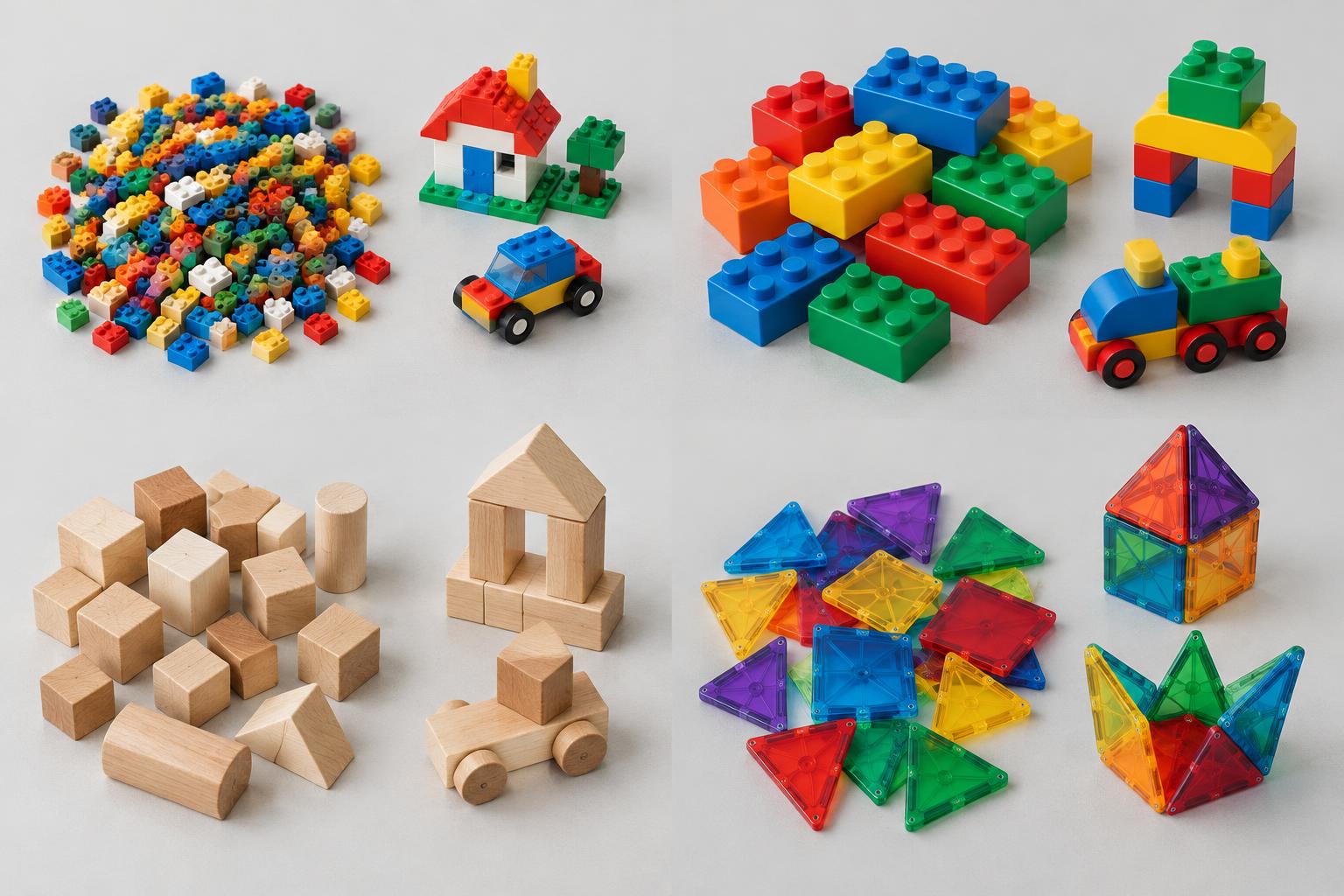
Whether you're an aspiring architect, a parent fostering creativity, an educator seeking dynamic learning tools, or simply someone looking to unleash their inner child, the quest to find the perfect building blocks is a universal one. Blocks, in their myriad forms, offer endless possibilities for construction, imaginative play, and cognitive development. This comprehensive guide will navigate the diverse landscape of block types, brands, and retailers, helping you strategically buy blocks that perfectly suit your needs and budget. From the educational benefits of interlocking systems to the aesthetic appeal of wooden sets and the innovative potential of magnetic structures, we'll explore where you can acquire these fundamental building units across the US and European markets.
Understanding the vast array of options available can be daunting. Our goal is to simplify this process, providing you with actionable insights and clear recommendations. We'll delve into both online and brick-and-mortar avenues, ensuring you know exactly where to look whether you need a few individual pieces or a bulk supply for a large-scale project. By the end of this guide, you'll be well-equipped to make informed decisions and confident in your ability to buy blocks that inspire creation and learning.
Understanding Different Types of Blocks and Their Uses
Before you embark on your journey to buy blocks, it’s crucial to understand the different types available. Each category offers distinct characteristics, educational benefits, and applications, catering to various age groups and project requirements.
Plastic Interlocking Blocks (e.g., LEGO, Duplo)
These are perhaps the most iconic and widely recognized building blocks globally. Plastic interlocking blocks, pioneered by brands like LEGO, are celebrated for their precision, durability, and versatility. They come in an astonishing range of shapes, sizes, and colors, allowing for intricate constructions and complex models. Duplo, a larger version, is specifically designed for younger children, offering easier handling and preventing choking hazards.
- Benefits: Enhance fine motor skills, spatial reasoning, problem-solving, creativity, and hand-eye coordination. Excellent for imaginative play and following instructions to build specific models.
- Ideal for: Children from 18 months (Duplo) to adults (LEGO Technic, Architecture series), educational settings, model enthusiasts.
Wooden Blocks
Wooden blocks are a timeless classic, valued for their natural feel, tactile feedback, and environmental sustainability. They often come in various geometric shapes – cubes, cylinders, arches, and triangles – encouraging open-ended play. High-quality wooden blocks are incredibly durable and can be passed down through generations.
- Benefits: Promote creativity, imagination, balance, architectural understanding, and cognitive development. They offer a strong sensory experience and are often preferred for Montessori-style education.
- Ideal for: Toddlers and preschoolers (larger, simpler shapes), older children (more complex sets), educational environments, natural play advocates.
Magnetic Blocks
Magnetic blocks provide a unique building experience, allowing structures to snap together with ease. These blocks often feature strong magnets embedded within plastic or wooden frames, creating 2D and 3D designs that are both stable and easy to reconfigure. Popular brands include Magna-Tiles and Magformers.
- Benefits: Develop geometric understanding, spatial reasoning, creativity, and magnetic principles. They are highly engaging and allow for quick assembly and disassembly.
- Ideal for: Children aged 3 and up, those with limited dexterity, classrooms, and anyone interested in exploring geometric patterns.
Foam and Soft Blocks
Designed primarily for safety and early childhood development, foam and soft blocks are lightweight, large, and typically made from dense foam or fabric. They are perfect for babies and toddlers who are still developing motor skills and might put objects in their mouths.
- Benefits: Safe for infants, promote gross motor skills, color recognition, stacking, and early exploration of balance without the risk of injury.
- Ideal for: Infants, toddlers, daycare centers, and sensory play areas.
Specialty and Architectural Blocks
This category includes a wide variety of less common blocks tailored for specific purposes. This could range from large construction blocks for outdoor play or garden edging, to highly detailed miniature blocks for architectural models, or even sustainable, interlocking blocks for actual small-scale building projects. These often require a more specialized search when you look to buy blocks.
- Benefits: Cater to specific project needs, high detail for models, durable for outdoor use, sustainability benefits for eco-conscious projects.
- Ideal for: Adult hobbyists, model makers, educators (for specific subjects), landscape designers, and those seeking eco-friendly alternatives.
Where to Buy Blocks: Top Retailers and Platforms
With a clearer understanding of block types, let's explore the best places to purchase them, considering both convenience and the breadth of selection available in the US and European markets.
Online Retailers: Unmatched Variety and Convenience
Online platforms offer the widest selection and often competitive pricing, making them a primary destination for many buyers.
Amazon (US & Europe)
Amazon is arguably the largest online marketplace, offering an unparalleled selection of blocks from virtually every brand. You can find everything from major brands like LEGO, Duplo, and Magna-Tiles to independent manufacturers of wooden and specialty blocks. Their extensive review system and prime shipping options make it a convenient choice.
- Pros: Huge selection, competitive pricing, customer reviews, fast shipping (with Prime), easy comparison shopping.
- Cons: Can be overwhelming, beware of counterfeit products (especially for popular brands – always check seller ratings).
- craftblockworld often features links to recommended block sets on Amazon.
eBay (US & Europe)
eBay is an excellent resource for new, used, and collectible blocks. This platform is particularly useful if you're looking for discontinued sets, individual specific pieces, or bulk lots at potentially lower prices. Both individual sellers and larger retailers operate on eBay.
- Pros: Great for rare finds, used sets, bulk purchases, and individual pieces. Opportunities for bidding and finding unique deals.
- Cons: Quality of used items can vary, shipping costs can add up, buyer protection depends on the seller.
Specialized Online Toy Stores (US & Europe)
Many online toy stores focus specifically on educational toys, developmental play, or sustainable products. These sites often curate high-quality brands and provide more detailed product descriptions and educational context.
- Examples (US): Fat Brain Toys, Melissa & Doug (for wooden blocks), Lakeshore Learning (educational blocks).
- Examples (Europe): Smallable, Little Dutch (for wooden blocks), specific eco-toy retailers.
- Pros: Curated selection, expert advice, often focus on quality and safety, unique brands.
- Cons: Potentially higher prices, more limited selection than Amazon.
Manufacturer Websites (US & Europe)
For specific brands like LEGO, Magna-Tiles, or popular wooden block manufacturers, buying directly from their official websites ensures authenticity and access to exclusive sets or promotions. This is often the best route for new releases or specialized collections.
- Pros: Guaranteed authenticity, access to exclusive items, direct customer support, often loyalty programs.
- Cons: Limited to one brand, possibly less competitive pricing than major retailers.
Sustainable and Eco-Friendly Marketplaces (US & Europe)
If environmental impact is a concern, websites dedicated to eco-friendly products are ideal. These platforms often feature wooden blocks from FSC-certified forests, recycled plastic blocks, or plant-based materials.
- Examples: EarthHero (US), Ethical Superstore (UK).
- Pros: Supports sustainable practices, high-quality natural materials, often prioritize fair trade.
- Cons: Niche selection, potentially higher prices.
Brick-and-Mortar Stores: Immediate Gratification and Tangible Experience
While online shopping offers convenience, physical stores provide the advantage of seeing and touching the blocks before purchasing, as well as immediate gratification.
Large Toy Retailers (US & Europe)
Stores like Toys "R" Us (in regions where it still operates, or revived versions), Smyths Toys Superstores (Europe), and independent toy shops often carry a good range of popular block brands. You can physically interact with the products and get advice from sales associates.
- Pros: See products in person, immediate purchase, knowledgeable staff, sensory experience.
- Cons: Limited stock compared to online, may have higher prices, less variety for specialty blocks.
Department Stores and General Retailers (US & Europe)
Major department stores such as Target, Walmart (US), John Lewis, Argos (UK), and similar retailers across Europe often have dedicated toy sections with popular block sets. These are convenient for combining with other shopping trips.
- Pros: Convenient location, often good sales, easy returns.
- Cons: Selection can be basic, less focus on niche or educational brands.
Educational Supply Stores (US & Europe)
For educators or parents seeking blocks with a strong learning component, specialized educational supply stores are invaluable. These often carry high-quality wooden blocks, magnetic sets, and sensory blocks designed for classroom use.
- Examples (US): Lakeshore Learning, School Specialty.
- Examples (Europe): Local educational suppliers, specialized craft stores.
- Pros: Curated for learning, high durability, often bulk purchasing options, expert staff.
- Cons: Limited to educational focus, potentially higher prices for highly specialized items.
Hardware and Home Improvement Stores (US & Europe)
Surprisingly, for larger, more robust building blocks, such as landscape blocks, paving stones, or even large foam insulation blocks for specific projects, hardware stores like Home Depot, Lowe's (US), B&Q, Obi (Europe) can be the place to go. This typically pertains to outdoor or construction-grade blocks rather than children's toys.
- Pros: Bulk options, industrial strength, immediate availability for large projects.
- Cons: Different type of "blocks" than creative play, often not suitable for children.
Second-hand Stores and Markets (US & Europe)
Thrift stores, charity shops, and flea markets can be treasure troves for finding used blocks at significantly reduced prices. This is particularly good for LEGO in bulk or vintage wooden sets. Always ensure cleanliness and safety, especially for children's toys.
- Pros: Cost-effective, environmentally friendly (resuse), potential for unique vintage finds.
- Cons: Quality varies, items may be incomplete or require cleaning, safety checks are essential.
Factors to Consider When You Buy Blocks
Making the right purchase goes beyond knowing where to buy. Several factors should influence your decision to ensure you get the best value and suitability for your needs.
Age Appropriateness and Safety
This is paramount, especially when buying for children. Always check age recommendations. Smaller blocks present a choking hazard for toddlers. Look for non-toxic materials, especially for blocks that might end up in a child's mouth. Ensure blocks meet safety standards (e.g., ASTM F963 in the US, EN 71 in Europe).
Material and Durability
Consider the material: plastic for precision and interlocking, wood for natural feel and durability, magnetic for easy construction, foam for safety. Think about how often the blocks will be used and by whom. Durable materials will withstand years of play.
Educational Value
Different blocks foster different skills. Wooden and magnetic blocks excel in spatial reasoning and open-ended play. Interlocking blocks, like LEGO, are great for following instructions, problem-solving, and developing fine motor skills. Consider what developmental areas you want to target.
Ease of Storage and Cleanup
Blocks can accumulate quickly! Think about how and where they will be stored. Some sets come with storage containers, while others might require dedicated bins. Consider how easily they can be cleaned, particularly for younger children's toys.
Brand Reputation and Reviews
Established brands often have a reputation for quality and safety. Read customer reviews to gauge satisfaction with durability, functionality, and potential issues. This is especially important when purchasing from less-known online sellers.
Budget
Blocks come in a wide range of price points. Set a budget and explore options within that range. Remember that sometimes a smaller, high-quality set can offer more play value than a large, cheaply made one. Consider the long-term investment; good quality blocks retain their value and offer extended play.
For those looking for premium building experiences, craftblockworld offers a carefully curated selection of high-quality blocks designed to inspire creativity in all ages. They prioritize durability, design, and educational value, ensuring that when you choose to go to buy blocks from their extensive collection, you are investing in a product that will deliver lasting enjoyment and developmental benefits.
Tips for Maximizing Your Block Purchase
To ensure you get the most out of your investment when you buy blocks, here are some actionable tips:
- Start Small, Expand Later: For new types of blocks, consider buying a smaller starter set to gauge interest before investing in larger, more expensive collections.
- Look for Sales: Holidays, back-to-school periods, and specific retail events are prime times for discounts on blocks. Sign up for newsletters from your favorite retailers.
- Consider Used Blocks: For LEGO and similar plastic blocks, buying used can be incredibly cost-effective. Just be prepared to clean and sanitize them thoroughly. Look for local listings or specific eBay sellers with good reputations.
- Check for Compatibility: If you're mixing and matching brands (e.g., generic plastic blocks with LEGO), ensure they are compatible to avoid frustration.
- Think About Open-Ended Play: While themed sets are fun, investing in basic sets of geometric blocks (wooden or plastic) encourages more imaginative and unstructured play, fostering greater creativity.
- Read the Fine Print: Especially when buying online, check return policies, shipping costs, and seller ratings before finalizing your purchase.
Conclusion
The journey to buy blocks is a creative adventure in itself, opening doors to endless possibilities in construction, education, and imaginative play. From the intricate systems of plastic interlocking bricks to the tactile joy of wooden blocks and the innovation of magnetic sets, there's a perfect building solution for every age and aspiration. By considering the type of blocks, the vast array of online and physical retailers, and crucial factors like safety, durability, and educational value, you can make informed decisions that enhance your building experience.
Whether you're furnishing a classroom, sparking a child's curiosity, or indulging your own architectural passions, the options are abundant. Remember to explore reputable sources like Amazon, specialized toy stores, or even direct from manufacturers to ensure quality and authenticity. And for those seeking a premium selection that merges quality with innovative design, don't forget to visit craftblockworld, where the foundation for your next masterpiece awaits. Happy building!
Frequently Asked Questions (FAQ)
What are the main types of blocks available?
Blocks broadly fall into categories like plastic (LEGO, Duplo), wooden, magnet, foam, and specialty architectural blocks. Each type offers unique benefits for play, learning, and construction based on age and purpose.
Where can I find premium architectural blocks for professional projects?
For premium architectural blocks, consider specialized suppliers that cater to model making, landscaping, or sustainable building materials. Online platforms like craftblockworld are excellent resources, as are local architectural supply stores.
Are there eco-friendly options when buying blocks?
Yes, many manufacturers now offer eco-friendly blocks made from sustainable wood, recycled plastics, or plant-based bioplastics. Look for certifications like FSC for wood or products advertised as recycled or biodegradable when you look to buy blocks.
How do I choose the right blocks for my child's age?
For toddlers, larger blocks like Duplo or soft foam blocks are ideal for safety and ease of handling. As children grow, smaller interlocking blocks like LEGO or intricate wooden blocks can foster more complex construction and fine motor skills. Always check age recommendations on packaging.
What are the benefits of playing with blocks for children?
Block play offers numerous developmental benefits, including enhancing fine motor skills, spatial reasoning, creativity, problem-solving, and hand-eye coordination. It also promotes cognitive flexibility and encourages imaginative play.