How to Choose and Get the Most Out of Building Sets
Building sets aren't just toys. For adults, they're stress relief after a long workday. For families, they're STEM education disguised as play. For collectors, they're display pieces that hold real value.
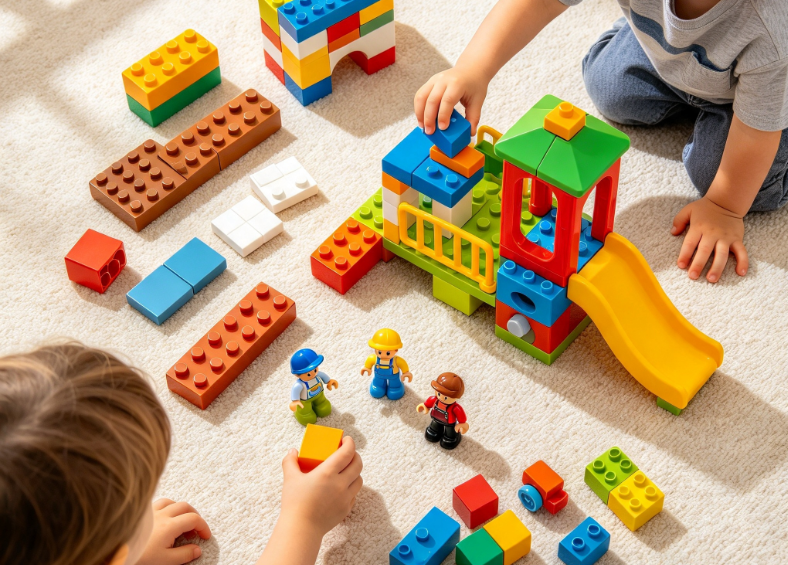
Building sets aren't just toys. For adults, they're stress relief after a long workday. For families, they're STEM education disguised as play. For collectors, they're display pieces that hold real value. Whatever your reason for picking up a brick set, getting the most out of it starts long before you snap the first piece into place.
This guide walks you through choosing the right building set for your needs, setting up a space that makes building easier, and getting more out of every build — whether you're buying for yourself, your kids, or your growing collection. By the end, you'll know exactly what to look for and how to turn a one-time purchase into a long-term hobby.
How to Choose the Right Building Set for Your Needs
Not every building set suits every builder. Match the set to the person, not the other way around.
For Adults: What to Look for in Adult Building Sets
Adult building sets are built differently than kids' kits. Expect higher piece counts, finer detail, and display-ready results. Here's what matters most:
- Piece count and complexity: Starter sets for adults typically run 1,000–2,000 pieces. Advanced collectors push past 3,000 — think architectural landmarks, detailed vehicles, or mechanical builds with working parts.
- Build time: A 3,000-piece set can take anywhere from a weekend to several weeks, depending on how much time you dedicate per session. Treehouse-style sets or grand piano replicas, for example, reward patience over speed.
- Display value: If the finished model will sit on a shelf, prioritize adult building sets with strong visual presence — iconic cars, landmark architecture, or licensed franchise builds tend to hold their appeal long after assembly.
- Functional elements: Mechanical and Technic-style sets add gears, motors, or moving parts. These appeal to builders who want more than static display — they want the model to do something.
For Kids: What to Look for in Building Toys for Kids
Building toys for kids need to balance challenge with achievability. A set that's too hard kills motivation fast.
- Age-appropriate piece size and count: Younger builders (ages 5–8) do best with larger pieces and simpler instructions. Kids aged 9–14 can usually handle more intricate sets with smaller pieces and multi-stage builds.
- Educational value: Look for sets that introduce basic engineering concepts — balance, structure, simple machines. STEM-focused building toys for kids turn playtime into hands-on learning without feeling like homework.
- Durability: Kids rebuild, drop, and disassemble constantly. Choose sets made from sturdy material that can handle repeated use.
- Theme relevance: A child who loves cars, dinosaurs, or city life will stay more engaged with a set that matches their interests. Motivation drives completion.
How to Set Up Your Building Space for Success
A good building session starts with a good setup. Skip this step and you'll spend more time hunting for pieces than actually building.
- Clear a flat, well-lit surface: A dedicated table or desk works best. Avoid soft surfaces like carpet or beds, where small pieces disappear easily.
- Sort before you start: Group pieces by color, size, or bag number as indicated in the instructions. This single habit saves more time than any other building tip.
- Use trays or containers: Shallow trays keep sorted pieces visible and prevent them from rolling away mid-build.
- Keep a brick separator nearby: Never pry pieces apart with your fingers or teeth. A separator tool protects both the bricks and your hands.
- Light it properly: Detailed building sets often require matching similar-looking pieces. Good lighting prevents mismatched colors and misplaced parts.
- Minimize distractions: For long adult builds especially, a quiet, dedicated space helps maintain focus across multi-hour or multi-day sessions.
How to Follow Instructions Without Losing Your Creativity
Instructions exist to guide you, not box you in. The best builders learn to follow them precisely while still leaving room for personal touches.
- Read 2–3 steps ahead: Don't build one step at a time in isolation. Previewing upcoming steps helps you understand how current pieces fit into the larger structure, reducing mistakes.
- Build in complete layers: Finish each stage fully before moving to the next. This keeps the structure stable and prevents pieces from shifting out of place.
- Don't rush complex sections: Detailed sections — like intricate facades or mechanical assemblies — deserve extra attention. Slow down when instructions get denser.
- Make it yours once the core is complete: Many builders finish the official instructions, then customize — adding extra details, repainting elements, or combining pieces from other sets to personalize the final result.
- Treat instructions as a foundation, not a cage: Once you understand the structural logic of a build, you'll find it easier to deviate intentionally rather than by accident.
How to Increase Difficulty and Complexity Over Time
Progression keeps the hobby interesting. Jumping from a 500-piece set to a 5,000-piece megastructure too quickly often leads to frustration and an unfinished shelf project.
- Start with a baseline: Note how long your current set takes and how challenging the trickiest sections felt. This becomes your benchmark.
- Increase piece count gradually: Move up in increments — from 1,000 to 2,000, then 2,000 to 3,000 — rather than skipping tiers entirely.
- Introduce mechanical elements: Once standard builds feel comfortable, try sets with gears, motors, or moving parts. These add a new layer of problem-solving beyond simple assembly.
- Explore different categories: A builder who's only tackled vehicles might find city-scale builds or architectural sets challenging in new ways — different techniques, different scale logic.
- Set builds aside, then return: Longer builds benefit from breaks. Stepping away and coming back with fresh eyes often reveals mistakes you'd otherwise miss.
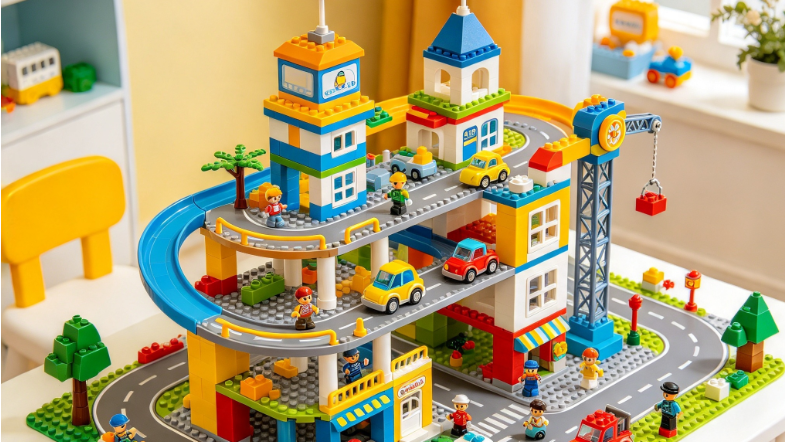
Collectors and creators especially benefit from this approach — it's how casual builders evolve into the kind of enthusiasts who tackle 5,000-plus piece collector's editions with confidence. If you're ready to push your skill level, browse advanced and large-scale sets designed for experienced builders.
How to Display and Store Your Completed Builds
A finished build deserves better than a cardboard box in a closet. Protect your investment and show it off properly.
- Dust protection matters: Open shelving looks great but collects dust quickly. Display cases or glass cabinets preserve detail and color over time.
- Stable shelving is non-negotiable: Larger builds — architectural models, vehicles, mechanical sets — are heavier than they look. Use reinforced shelving that won't sag or tip.
- Group by theme: Collectors often display by category — city series, vehicles, architecture — which creates a more cohesive visual effect than mixing themes randomly.
- Rotate your display: If space is limited, rotate which builds are on display seasonally. This keeps your collection feeling fresh without requiring more shelf space.
- Store spare pieces properly: Leftover pieces (extras included in most sets) should be bagged and labeled by set name, in case repairs are needed later.
- Photograph your builds: Before any accidental disassembly, take photos. This documents your progress and gives you shareable content for the next step — community engagement.
How to Get Involved in the Building Community
Building doesn't have to be a solitary hobby. Thousands of builders worldwide share techniques, builds, and feedback — and getting involved makes every building set more rewarding.
- Share your finished builds: Photos of completed models — especially unique customizations — generate feedback and connect you with other enthusiasts facing similar challenges.
- Learn from other builders: Community forums and social groups are full of tips on everything from sorting systems to advanced customization techniques.
- Read builder reviews before buying: Before committing to a large or expensive set, check builder reviews to understand real-world build times, difficulty, and finished results from people who've already completed it.
- Join themed communities: Whether you're into city builds, military vehicles, or movie-themed sets, niche communities exist for nearly every interest — making it easier to find builders with shared taste.
- Give feedback: Community input shapes future releases. Builders who share honest feedback often influence what gets made next.
Build Smarter, Not Just Bigger
Choosing the right building set isn't about buying the biggest or most expensive option available. It's about matching complexity, theme, and purpose to the builder — whether that's an adult looking for a weekend project, a family wanting shared screen-free time, or a collector chasing the next display-worthy piece.
Set up your space properly, follow instructions with intention, and progress at a pace that keeps the hobby enjoyable rather than overwhelming. Store and display your finished work with care, and don't underestimate what the wider community has to offer — feedback, inspiration, and support are often just as valuable as the build itself.
Ready to find your next project? Explore the full catalog and start building something worth displaying.
Frequently Asked Questions
What's the difference between adult building sets and building toys for kids?\ Adult building sets generally feature higher piece counts, finer detail, and display-focused designs — think architecture, vehicles, or mechanical builds. Building toys for kids prioritize larger pieces, simpler instructions, and age-appropriate themes that balance challenge with achievability.
How do I know what skill level a building set is designed for?\ Most sets indicate piece count and complexity level directly on the packaging or product page. As a general rule, under 1,000 pieces suits beginners, 1,000–3,000 suits intermediate builders, and anything above 3,000 is built for experienced collectors.
What's the best way to store extra or spare pieces?\ Bag spare pieces by set name immediately after finishing a build. Label the bag and store it near your other building supplies — this makes future repairs or customizations much faster.
Can building sets really help with stress relief?\ Many adult builders report that the repetitive, focused nature of assembly helps with relaxation and mental focus, similar to other hands-on hobbies. The key is choosing a set with a complexity level that challenges without overwhelming.
How long does it typically take to complete a large building set?\ This depends heavily on piece count and detail level. A 1,000-piece set might take a few hours, while sets above 3,000 pieces can take several weekends or multiple weeks of regular sessions.