Building Blocks Creative Revival
In homes across the United States, Canada, the United Kingdom, Germany, and many other parts of Europe, a quiet yet powerful creative movement is unfolding.
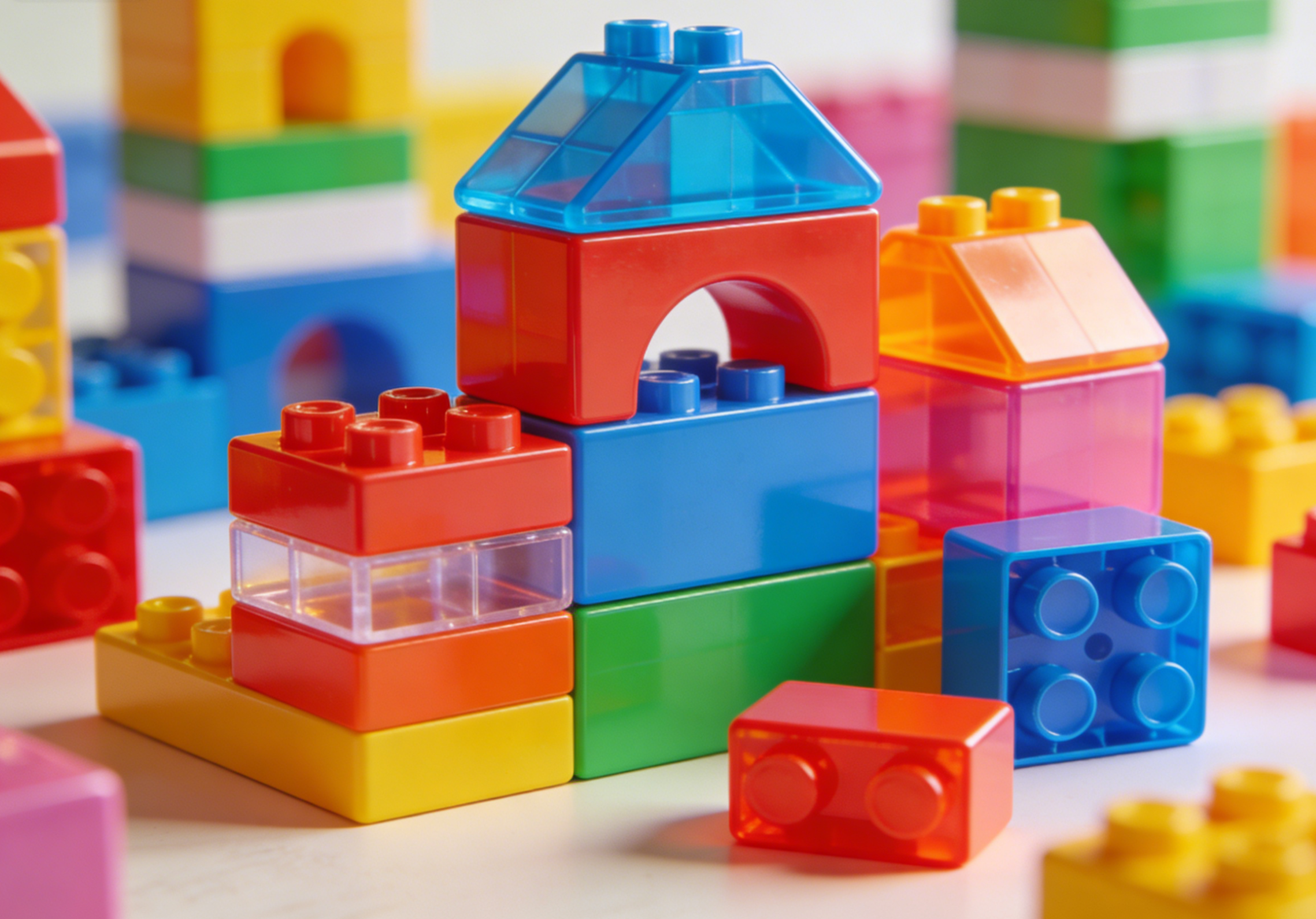
In homes across the United States, Canada, the United Kingdom, Germany, and many other parts of Europe, a quiet yet powerful creative movement is unfolding. Families gather around dining tables, collectors carefully organize intricate models on shelves, and hobbyists spend evenings designing miniature worlds. At the heart of this growing culture is something simple, timeless, and endlessly imaginative: building blocks.
The story of building blocks is more than a story about toys. It is a story about creativity, learning, craftsmanship, and human curiosity. For generations, these small pieces have allowed people to transform imagination into structure. A handful of parts becomes a castle, a spacecraft, a bridge, or an entire city skyline.
Today, in an age dominated by digital screens and instant entertainment, the appeal of building blocks is stronger than ever. People are rediscovering the joy of building something with their hands, piece by piece, idea by idea. Adults who once built simple models as children now pursue complex architectural designs. Families are replacing passive entertainment with creative collaboration. Designers are turning building blocks into engineering experiments.
Across North America and Europe, this resurgence has fueled a thriving community of builders who celebrate creativity, patience, and imagination. Many of these enthusiasts explore new designs and building inspirations through platforms such as https://craftblockworld.com, where the world of building blocks continues to evolve through innovation and community collaboration.
The humble building block has grown into a symbol of creativity without limits.
The Growing Passion for Building Blocks in Western Hobby Culture
Over the last decade, the popularity of building blocks has expanded far beyond children's playrooms. In Western countries especially, building blocks have become an important part of modern hobby culture.
One of the key drivers of this growth is nostalgia. Many adults who grew up building models during the 1980s, 1990s, and early 2000s are returning to their childhood passions. However, their approach to building blocks is now much more ambitious.
Instead of small toy sets, today’s builders create complex projects that resemble professional models. Some construct entire modular cities complete with train stations, airports, and detailed neighborhoods. Others design mechanical vehicles with moving parts, gears, and engineering features.
The rise of social media and online builder communities has also played a major role in expanding the culture of building blocks. Builders from New York, Paris, Copenhagen, and Los Angeles can now share their creations instantly with a global audience. Inspiration spreads quickly as new designs appear across digital platforms.
Within these communities, creativity becomes contagious. A builder sees a miniature medieval castle and begins designing their own fortress. Another builder discovers an intricate spacecraft model and experiments with futuristic designs.
Platforms like https://craftblockworld.com provide an environment where these creative ideas can flourish. Builders searching for inspiration, advanced models, or new project ideas often explore resources that help expand the possibilities of building blocks.
What was once considered a simple pastime has evolved into a thriving creative ecosystem.
Adult Collectors and the Art of Building Blocks
One of the most fascinating developments in modern hobby culture is the rise of adult collectors devoted to building blocks.
Across North America and Europe, thousands of adults now consider building blocks a serious hobby. Their collections range from architectural landmarks to complex engineering vehicles, each model representing hours of focus and dedication.
Adult collectors often approach building blocks with the mindset of artists and engineers. They analyze structure, stability, symmetry, and design aesthetics. Some collectors specialize in recreating famous buildings such as European cathedrals or American skyscrapers. Others design imaginative worlds filled with fantasy creatures and futuristic technology.
For many professionals working in technology, architecture, and design industries, building blocks offer a refreshing escape from digital work. Instead of working on screens, they engage with physical materials that require patience and precision.
The process of building becomes deeply immersive. A collector begins by opening a box containing hundreds or thousands of pieces. At first the pieces appear random and chaotic. Gradually, through careful assembly and creative experimentation, a coherent structure begins to emerge.
Hours pass unnoticed as towers rise, vehicles take shape, and landscapes form.
Collectors frequently look for new inspiration through communities and resources like https://craftblockworld.com, where enthusiasts explore innovative ways to use building blocks in complex projects.
For adult builders, the experience is not simply nostalgic. It is creative expression, engineering practice, and personal relaxation combined.
Family Creativity and the Shared Joy of Building Blocks
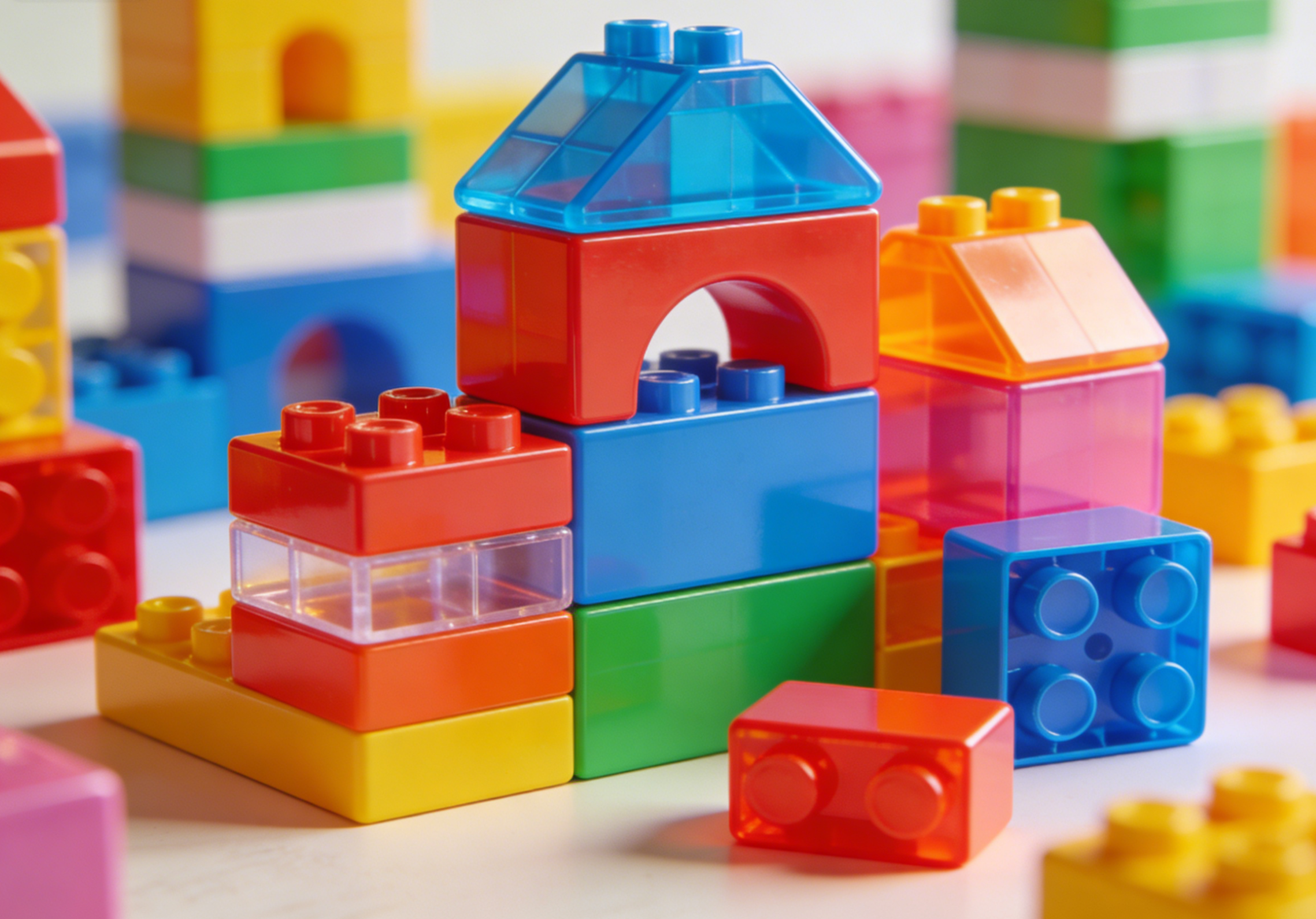
While adult collectors are an important part of the modern building community, the heart of the building blocks tradition still lies within families.
Parents across Europe and North America are increasingly searching for activities that encourage creativity and meaningful interaction with their children. Building blocks offer a powerful solution.
Unlike many modern forms of entertainment, building blocks invite collaboration. When families gather around a table with a pile of pieces, every participant contributes ideas. A child imagines a tower. A parent designs the foundation. A sibling adds decorative details or creates small vehicles.
Soon the project evolves into a collaborative creation shaped by multiple imaginations.
These shared building experiences create memories that last far longer than any digital game or television show.
Children also gain valuable developmental benefits from working with building blocks. They strengthen spatial awareness as they visualize structures. They practice problem-solving as they figure out how pieces connect. They develop patience as they follow building instructions or experiment with their own designs.
Parents often notice that children become deeply engaged during building sessions. The process stimulates curiosity and encourages exploration.
Families searching for new project ideas often discover inspiration through communities such as https://craftblockworld.com, where creative building blocks designs and concepts spark new family adventures.
The beauty of building blocks is their simplicity. With a handful of pieces and a little imagination, families can create entire worlds together.
DIY Model Building and Creative Engineering
Beyond traditional sets and family projects lies another fascinating aspect of the building blocks universe: DIY model building.
In this creative space, enthusiasts design original projects that go far beyond standard instructions. Builders experiment with structure, movement, and scale to create models that exist nowhere else.
The diversity of projects built with building blocks is remarkable.
Some builders recreate famous landmarks from European history. Others construct massive futuristic vehicles inspired by science fiction. Engineering enthusiasts design mechanical machines with moving parts, gears, and working mechanisms.
These custom creations often begin with simple experimentation. A builder combines pieces in new ways, tests different structures, and gradually develops a design that reflects their personal vision.
This process encourages innovation and creative thinking. Builders learn how weight distribution affects stability, how symmetry enhances aesthetics, and how small design changes can dramatically transform a model.
Online builder communities have become essential for sharing these ideas. Creators frequently exchange design techniques, building strategies, and project inspiration.
Many enthusiasts explore resources available at https://craftblockworld.com to discover new building blocks concepts and expand their creative projects.
The DIY culture surrounding building blocks proves that creativity has no limits when imagination meets engineering curiosity.
The Emotional Magic of Building Blocks
The enduring appeal of building blocks cannot be explained by creativity alone. There is also a powerful emotional dimension that connects people to the building process.
For many adults, building blocks represent a return to childhood wonder. The simple act of connecting pieces triggers memories of rainy afternoons spent building castles and cities.
But the experience also offers something deeply therapeutic.
Modern life often moves quickly, filled with constant notifications, deadlines, and digital distractions. Building blocks encourage a slower, more focused form of creativity.
The builder must concentrate on each piece. They must consider how shapes interact, how structures balance, and how designs evolve.
This focus creates a calming rhythm that many people describe as meditative.
As the structure grows taller or more complex, a sense of accomplishment emerges. The builder realizes that something tangible and beautiful has taken shape from a collection of small pieces.
This emotional satisfaction explains why building blocks continue to captivate generations across Western cultures.
Conclusion: Discover the Endless Possibilities of Building Blocks
The growing popularity of building blocks across North America and Europe reflects a deeper human desire for creativity, connection, and craftsmanship.
From adult collectors designing intricate models to families sharing imaginative weekend projects, building blocks inspire people to explore ideas, solve challenges, and express their creativity.
They remind us that imagination is most powerful when it takes physical form.
For those ready to expand their building adventures and explore new ideas, the next step begins with discovering a community that celebrates creativity and innovation.
Builders looking for inspiration, advanced designs, and a passionate creative ecosystem can explore the possibilities at https://craftblockworld.com.
Whether you are beginning your first project, collecting complex models, or designing your own creations, the world of building blocks is waiting to be explored.
Start building today and let your imagination take shape through building blocks.
FAQ
What are building blocks used for today? Building blocks are used for creative hobbies, educational activities, engineering experiments, and family projects. Many builders enjoy designing models such as vehicles, buildings, and miniature cities.
Why are building blocks becoming popular among adults? Adults enjoy building blocks because they offer a relaxing creative hobby that combines design, problem-solving, and hands-on craftsmanship.
Are building blocks good for family activities? Yes. Building blocks encourage teamwork, creativity, and learning. Families often collaborate on projects that strengthen communication and imagination.
Where can I find ideas for creative building blocks projects? Builders can discover new design ideas and explore advanced projects by visiting https://craftblockworld.com.
Can beginners start building complex models with building blocks? Absolutely. Many builders begin with simple designs and gradually move toward more advanced projects as they gain experience and confidence using building blocks.