How to Choose and Use Building Blocks as a LEGO Alternative
Complete each layer fully before moving to the next. This isn't just about following instructions in order — it's what gives your model structural stability
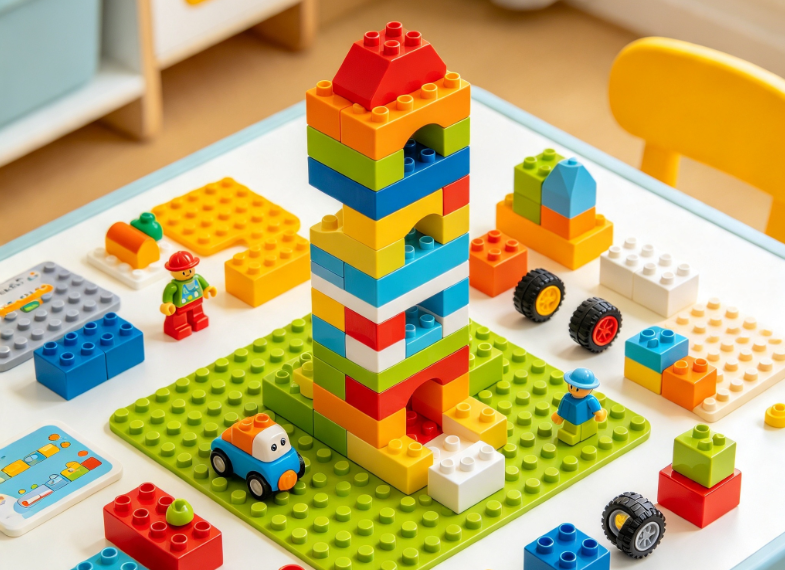
Building sets aren't just for kids anymore. Engineers unwind with 3,000-piece builds after work. Parents use them to get their kids off screens. Collectors chase limited editions like they're rare coins. And somewhere in between, a growing community of hobbyists is discovering that briques de construction — the French term for building bricks that's become shorthand across European collector forums — offer the same creative payoff as premium brand sets, often at a fraction of the cost.
If you're new to the world of LEGO alternatives, the sheer number of options can feel overwhelming. This guide breaks down exactly how to pick the right building blocks for your goals, what separates a solid set from a flimsy one, and how to actually get started building — plus how to keep your growing collection organized and connect with other builders along the way.
Why Consider LEGO Alternatives?
The brick hobby has split into distinct lanes. Adult enthusiasts want complexity — detailed instructions, thousands of pieces, display-worthy results. Families want STEM value and screen-time alternatives. Collectors want limited editions with real display and resale appeal. Creators want parts and compatibility, not instructions, because they're designing their own models from scratch.
Official sets can't always serve all four groups at a price that makes sense. That's where alternative blocks brands step in. They're compatible with major building block systems, cover themes official catalogs skip entirely (military vehicles, mechanical Technic-style builds, anime tie-ins), and they do it at accessible price points. Whether you're relaxing after a long workday, building a dollhouse with your kids on Saturday, or designing your own MOC (My Own Creation), the right alternative set opens that door without the premium markup.
How to Identify the Right Building Blocks for Your Needs
Start with your "why," not the box art. The best set for a stressed-out IT professional looking for a weekend project looks nothing like the best set for a parent trying to teach their eight-year-old basic engineering concepts.
For adult enthusiasts and collectors, prioritize piece count and detail level. Look at sets in the 2,000–3,500 piece range — architecture series, Creator Expert-style builds, and large vehicle models tend to deliver the most satisfying build time and the best display results. A detailed Grand Piano or Treehouse-style set isn't a toy; it's a weekend-long project that ends with something worth keeping on a shelf.
For families with young kids, go smaller and sturdier. Sets under 500 pieces with larger brick sizes reduce frustration and choking hazards for younger children, while still delivering the hands-on STEM value parents want. City Series and simpler vehicle sets tend to hit the sweet spot between engagement and achievability.
For collectors, focus on limited runs and display value — things like official trophy replicas, anime tie-ins, or architecture icons that won't be reproduced once the run sells out.
For creators, compatibility matters more than any specific set. You'll want a brand whose stud dimensions and connection points work interchangeably with other major systems, so you can mix parts across sets and build truly original designs.
How to Evaluate Quality and Compatibility
Not all building blocks are created equal, and this is where a lot of new buyers get burned. Before you buy, check for three things.
Material and molding precision. High-quality bricks use ABS plastic with high-precision molding — this is what makes pieces click together snugly without wobbling or popping apart mid-build. Cheap knockoffs often use lower-grade plastic that feels slightly off in your hands and doesn't hold tension the same way after repeated use.
Safety certification. Especially if you're buying for kids, confirm the set meets recognized safety standards (look for EN 71, ASTM, or CPSIA certification markers). This matters more than brand recognition — it's a direct indicator of testing rigor around choking hazards and material safety.
True cross-brand compatibility. The entire point of a LEGO alternative is that it works alongside pieces you may already own. Before buying, check whether the brand explicitly states compatibility with major building block systems. If you're building a collection over time from multiple brands, this single factor determines whether your sets will integrate into one combined collection or sit as isolated, incompatible builds. If you want to go deeper on this before investing in bigger sets, this guide to LEGO alternatives for adults breaks down the major brands and what separates reliable ones from the rest.
How to Get Started: Step-by-Step Building Tips
Once you've picked a set, a few habits make the building process faster and significantly less frustrating.
Sort before you build. Dump everything out and group pieces by color and size before you open the instruction booklet. This single step saves more time than almost anything else, especially on sets over 1,000 pieces, where hunting for one specific gray 2x4 piece in a pile of thousands gets old fast.
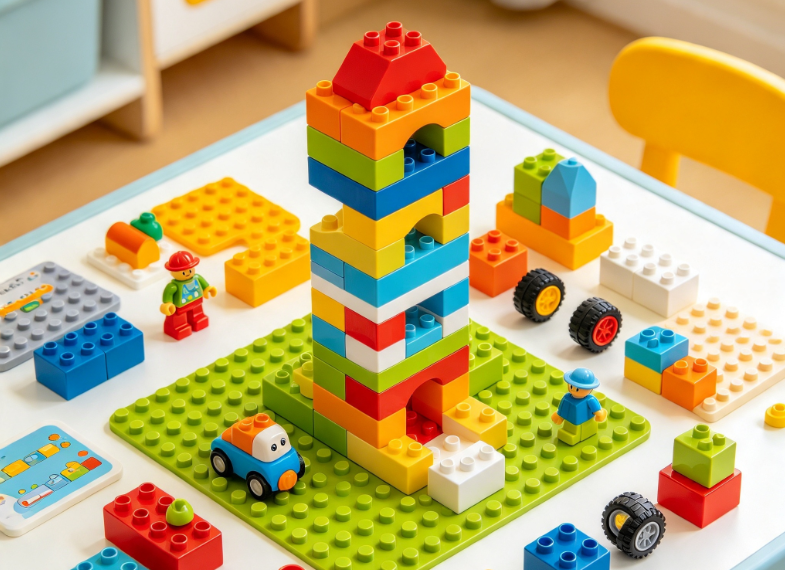
Build in layers, bottom to top. Complete each layer fully before moving to the next. This isn't just about following instructions in order — it's what gives your model structural stability, especially on larger builds where an unstable base can cause the whole thing to shift or collapse later.
Use a brick separator. Never pry pieces apart with your fingernails or teeth. A simple separator tool protects both the bricks and your hands, and it's often included in larger sets.
Read a few steps ahead. Instead of following the manual one step at a time in isolation, glance two or three steps ahead before you start placing pieces. Understanding where a section is headed helps you place individual blocks more accurately and catch orientation mistakes before they happen.
Work in good lighting, on a flat surface. This sounds obvious, but it's the most commonly skipped tip. Small pieces are easy to mix up in dim light, and a cluttered surface is how pieces end up lost under a couch cushion.
How to Organize and Store Your Blocks
Once you've completed a few builds — or you're mid-build on something big — storage becomes its own project. A few approaches work well depending on your situation.
Compartmentalized storage bins with adjustable dividers are the gold standard for sorting by color, size, or piece type. This matters most for creators and collectors managing parts across multiple sets, where finding a specific piece quickly can be the difference between an enjoyable afternoon and a frustrating one.
Stackable clear containers work well for families, since kids can see what's inside without digging through every bin. Label them by set or theme to prevent total chaos when multiple builds are in progress at once.
Display cases or shelving matter most for collectors and finished large-scale builds. Keep completed models out of direct sunlight, which can fade ABS plastic over time, and consider dust covers for anything that won't be handled often.
A dedicated building zone, even if it's just a corner of a table, keeps in-progress sets protected from being knocked over or picked apart by curious siblings or pets.
How to Join the Building Blocks Community
Part of what makes this hobby stick is the community around it. Builders worldwide share completed models, compare techniques, and trade tips on everything from gearbox mechanisms to custom color schemes. If you're an adult enthusiast, a parent looking for family project ideas, or a creator wanting feedback on an original design, connecting with other builders adds a layer of enjoyment that building alone doesn't offer.
Online communities and brand-run forums are a good starting point. Many builders post in-progress photos, finished builds, and troubleshooting questions, and most communities are welcoming to beginners — nobody expects a first post to be a 3,000-piece masterpiece. If you're a creator specifically, these spaces are also where you'll find feedback on original MOCs and inspiration for your next design.
Final Thoughts
Choosing the right building blocks comes down to matching the set to your actual goals — complexity for enthusiasts, safety and simplicity for families, exclusivity for collectors, and compatibility for creators. Once you've picked the right starting point, good building habits and smart storage make the hobby sustainable rather than something that fizzles out after one set.
If you're ready to browse options, explore the full catalog of building block sets to find something that matches your skill level and interests. And if you're still comparing brands and features before committing to a bigger purchase, the best LEGO alternative guide is a solid next stop.
Frequently Asked Questions
Are building block alternatives actually compatible with LEGO?\ Most reputable brands manufacture bricks that connect seamlessly with major building block systems, including LEGO. Always check the product description for explicit compatibility claims before combining sets from different brands.
What age group are these sets best suited for?\ It depends on the set. Simpler builds with larger pieces work well for kids aged 6 and up, while complex sets with thousands of small pieces are better suited to teens and adults. Always check the recommended age range on the packaging.
How much should I expect to pay for a quality building block set?\ Prices vary widely by piece count and complexity, but alternative brands typically cost noticeably less than official branded sets of comparable size, without sacrificing build quality if you choose a reputable manufacturer.
What should I do if my set arrives with missing or damaged pieces?\ Reputable brands offer free replacement parts for missing or damaged pieces. Contact the retailer's support team with your order number, and replacements are typically shipped at no extra cost.
Can I mix pieces from different building block brands in one build?\ Yes, as long as both brands are compatible with standard stud and connection dimensions. This is especially useful for creators designing original builds, since it expands your available parts well beyond a single brand's catalog.