The Ultimate Guide to Brique Construction Enfant: Fostering Creativity and Development in Children
Discover the world of children's building blocks (brique construction enfant) and their immense benefits for cognitive and motor skill development. Explore types, safety, and how to choose the best construction toys for your child's growth.
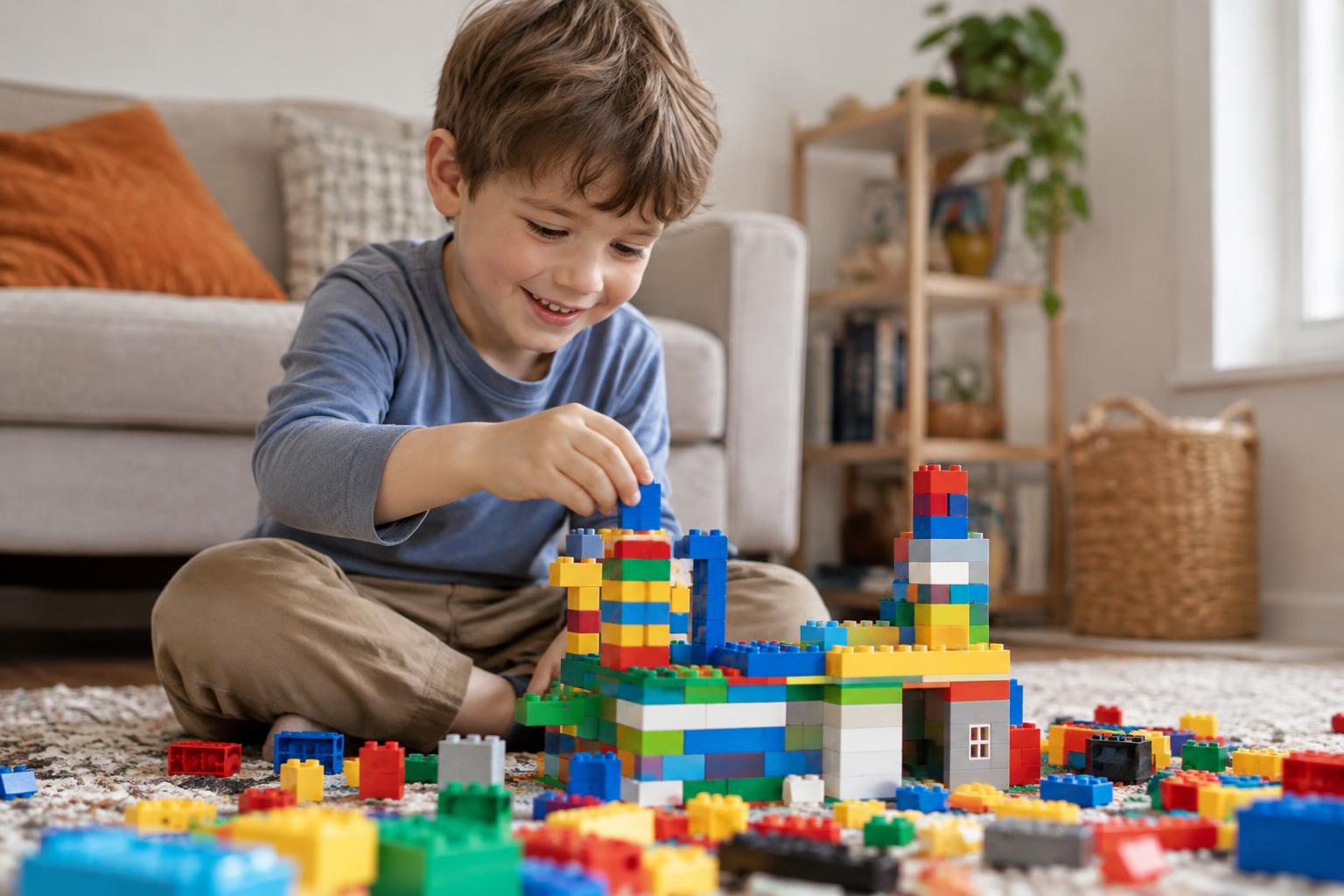
In a world increasingly dominated by digital screens, the timeless appeal of physical toys remains unparalleled, especially when it comes to fostering fundamental developmental skills. Among the most cherished and beneficial categories are construction toys, often referred to in various markets as children's building blocks or, as it is commonly known in French-speaking regions and increasingly recognized globally, brique construction enfant. These simple yet profound tools for play offer far more than mere entertainment; they are gateways to unlocking a child's imagination, problem-solving abilities, and fine motor skills. This comprehensive guide delves into the significance of these versatile toys, exploring their diverse benefits, types, and how to select the best options for your growing child, including insights into the quality offerings from craftblockworld.
The Enduring Appeal of Building Blocks for Children
For generations, building blocks have been a cornerstone of childhood play, transcending cultures and evolving with technological advancements. Their universal appeal lies in their open-ended nature, providing children with the freedom to create, dismantle, and recreate countless structures. This inherent flexibility encourages children to think innovatively and experiment without fear of failure, making each play session a unique learning experience. Whether constructing towering castles, bustling cities, or abstract sculptures, the possibilities are limited only by a child's imagination.
A Rich History and Universal Play Pattern
The concept of stacking and building dates back centuries, with early forms of blocks often made from wood or stone. The introduction of standardized, interlocking plastic bricks revolutionized the industry, making construction play accessible and engaging for a broader audience. Today, the principles remain the same: pieces fit together to form larger wholes, teaching children about spatial relationships, balance, and structural integrity. This universal play pattern is intuitive and deeply satisfying, providing immediate gratification as creations come to life.
Educational Benefits of Brique Construction Enfant
The impact of playing with construction bricks on a child's development cannot be overstated. Experts in early childhood education consistently highlight these toys as essential for holistic growth. From cognitive processing to social interaction, the benefits span multiple crucial developmental domains, preparing children for future academic and life challenges.
Cognitive Development and Problem-Solving
When children engage with brique construction enfant, they are actively developing critical cognitive skills. They learn to visualize a finished product, plan their steps, and troubleshoot issues as they arise. This involves spatial reasoning—understanding how objects fit together in space—and logical thinking. If a tower collapses, they learn about stability and cause-and-effect, prompting them to adjust their approach and try again. This iterative process of design, construction, and refinement is fundamental to problem-solving.
Enhancing Fine Motor Skills
Manipulating small and large blocks requires precision and coordination. Children develop their fine motor skills as they grasp, stack, push, and pull individual pieces. This hand-eye coordination is vital for tasks such as writing, drawing, and performing everyday self-care activities. The variety in block sizes and shapes offers a progressive challenge, refining dexterity over time.
Igniting Creativity and Imagination
Unlike toys with a single function, building blocks are a canvas for imagination. There are no predetermined rules beyond the physical constraints of the blocks themselves. Children can invent stories, role-play with their creations, and express their inner worlds. This free-form creativity is crucial for developing original thought, emotional expression, and imaginative play, which are all cornerstones of healthy psychological development.
Foundational STEM Learning
Construction toys are natural conduits for STEM (Science, Technology, Engineering, and Mathematics) education. Without formal instruction, children learn about engineering principles like balance, force, and structural integrity. They explore mathematical concepts such as symmetry, geometry, and patterns. Building bridges, ramps, or complex machines introduces them to the basics of physics and mechanics, making abstract concepts tangible and engaging.
Social and Emotional Growth
When children build together, they engage in collaborative play, learning to share, negotiate, and communicate their ideas. This interaction fosters teamwork, patience, and empathy. The process of building something grand often requires perseverance and the ability to cope with frustration when things don't go as planned, building resilience and self-confidence with each successful creation.
Types of Construction Bricks for Children
The market for children's construction toys is diverse, offering a wide array of options tailored to different ages, preferences, and developmental stages. Understanding these types can help parents make informed choices.
Classic Plastic Interlocking Bricks
Perhaps the most iconic type, these bricks are known for their stud-and-tube coupling system, allowing for robust and intricate constructions. They come in various sizes, from large Duplo-style blocks for toddlers to smaller, more detailed bricks for older children. They are excellent for developing precision, following instructions (if using kits), and open-ended creative building.
Wooden Blocks
Simple, durable, and tactile, wooden blocks offer a classic play experience. They are often larger, making them suitable for younger children, and focus on foundational concepts like balance, gravity, and spatial awareness. Their natural material and straightforward design encourage imaginative play without the distraction of intricate details.
Magnetic Tiles and Construction Sets
Magnetic tiles have gained immense popularity for their ability to create 2D and 3D structures with ease. The magnetic connections allow for quick assembly and disassembly, encouraging experimentation with geometric shapes and structural designs. They are excellent for visual-spatial learning and can be very engaging for children who enjoy vibrant colors and patterns.
Soft Blocks and Large, Oversized Blocks
Designed for babies and toddlers, soft blocks are lightweight, safe, and easy to grasp. They introduce the concept of stacking and building without any risk of injury. Large, oversized blocks, often made of durable foam or plastic, allow preschoolers to build life-sized structures, promoting gross motor skills and cooperative play.
Eco-Friendly and Sustainable Options
With a growing emphasis on environmental responsibility, many manufacturers now offer construction bricks made from recycled plastics, plant-based materials, or sustainably sourced wood. These options provide all the developmental benefits while aligning with eco-conscious values, such as those championed by craftblockworld.
Choosing the Right Brique Construction Enfant for Your Child
Selecting the ideal construction set involves considering several factors to ensure it aligns with your child's age, interests, and developmental needs.
Age Appropriateness and Developmental Stage
This is paramount for safety and engagement. Toddlers require larger, easily graspable blocks with no small parts to prevent choking hazards. As children grow, they can handle smaller, more complex pieces that require greater dexterity and concentration. Always refer to the manufacturer's age recommendations.
Material Safety and Durability
Invest in construction toys made from high-quality, non-toxic materials. Reputable brands adhere to strict international safety standards (e.g., CE in Europe, ASTM F963 in the US). Durable materials ensure the toys withstand rigorous play and last for years, offering excellent value.
Theme and Complexity
Consider your child's interests. Do they love animals, vehicles, space, or fantasy? Themed sets can spark initial interest, but ensure there's also scope for open-ended creative play. For younger children, simpler sets are best, while older children might enjoy sets with more intricate mechanisms or specific building challenges.
Expandability and Compatibility
Many construction systems are designed to be expandable, allowing you to add more sets over time. Compatibility with existing blocks can also be a factor, fostering a larger, more versatile collection. This ensures long-term engagement and new possibilities for complex builds.
Brand Reputation and Educational Philosophy
Research brands known for quality, safety, and educational value. Brands like craftblockworld focus on creating construction toys that not only entertain but actively contribute to a child's learning journey, emphasizing creativity and sustainable practices.
Safety Standards and Quality Assurance
Ensuring the safety of construction toys is a top priority for parents and reputable manufacturers alike. Compliance with stringent safety regulations is non-negotiable.
EU and US Regulations
In Europe, the CE mark indicates compliance with EU safety, health, and environmental protection legislation. In the United States, ASTM F963 is a key standard for toy safety. These regulations cover aspects such as chemical composition, flammability, and mechanical hazards like sharp edges or small parts.
Non-Toxic Materials and Manufacturing
Leading brands commit to using materials free from harmful chemicals such as phthalates, lead, and BPA. Production processes are also carefully monitored to ensure consistent quality and safety, providing parents with peace of mind.
Choking Hazards for Younger Children
One of the most critical safety concerns for toddlers is choking on small parts. Manufacturers clearly label products with age warnings, and parents should always adhere to these guidelines. For younger children, opt for larger blocks that cannot be swallowed.
Integrating Construction Play into Daily Learning
Maximizing the benefits of brique construction enfant involves more than just providing the toys; it means encouraging purposeful and imaginative play.
Structured Play Ideas
While open-ended play is vital, occasional structured activities can introduce new concepts. Challenge your child to build the tallest tower, a bridge strong enough to hold a toy car, or a house for a specific animal. This encourages goal-setting and problem-solving within a defined framework.
Encouraging Free Play
Equally important is allowing ample time for undirected free play. Children should feel empowered to build whatever they wish, without adult interference or judgment. This fosters intrinsic motivation, independent thinking, and pure creative expression.
Parental Involvement and Engagement
Parents can play a supportive role by asking open-ended questions ("Tell me about your creation," "What's happening here?"), offering encouragement, and even building alongside their child. Sharing in their play demonstrates value for their efforts and strengthens the parent-child bond.
Connecting Blocks to Real-World Concepts
Help your child make connections between their block creations and the real world. A block bridge can lead to a discussion about real bridges and engineering. Building a house can introduce concepts of architecture and community. This contextual learning deepens their understanding and appreciation for what they are building.
Innovation in Children's Construction Toys
The world of construction toys is continually evolving, with innovations that blend traditional play with modern technology and contemporary values.
Smart Blocks and Augmented Reality
Some contemporary sets incorporate smart technology, allowing blocks to interact with apps or digital devices. Augmented reality (AR) can bring virtual elements to physical builds, adding new layers of interactive storytelling and learning, merging the best of both physical and digital worlds.
Focus on Sustainability and Material Science
Beyond recycled plastics, advancements in bioplastics and composite materials are leading to even more eco-friendly options. The focus is not just on what toys are made from, but also their lifecycle, including reusability and recyclability, demonstrating a commitment to a healthier planet for future generations.
Why craftblockworld Stands Out in Construction Toys
When seeking premium construction toys that combine educational value with exceptional quality, craftblockworld emerges as a leading choice for discerning parents. Our commitment extends beyond mere play; we strive to deliver tools that actively contribute to a child's intellectual and creative development.
At craftblockworld, we understand that a truly great building experience begins with superior materials and thoughtful design. Our products are rigorously tested to meet and exceed international safety standards, ensuring that every piece is safe, durable, and ready for countless hours of imaginative construction. We believe in providing children with components that fit together seamlessly, allowing their ideas to take physical form without frustration. Explore our extensive range of these innovative toys, including various types of brique construction enfant, designed to inspire and educate on our products page.
Maintenance and Care for Longevity
To ensure your construction bricks last for years and remain hygienic for play, proper maintenance is important.
Cleaning Tips
Most plastic blocks can be cleaned with mild soap and water, or even in a mesh bag in a washing machine on a gentle cycle. Wooden blocks should be wiped clean with a damp cloth and air-dried thoroughly. Regular cleaning helps remove dirt, dust, and germs, especially for toys frequently handled by young children.
Storage Solutions
Effective storage prevents loss and makes cleanup easier. Use dedicated bins, bags, or storage boxes. Organizing blocks by color, size, or type can also help children develop categorization skills and make it easier to find specific pieces for their next grand design.
Conclusion
The humble construction brick, or brique construction enfant, is far more than just a toy; it is a powerful instrument for learning and growth. By providing children with these versatile tools, parents are investing in their cognitive development, fine motor skills, creativity, and problem-solving abilities. Choosing high-quality, safe, and age-appropriate blocks ensures a rich and rewarding play experience that will contribute significantly to a child's readiness for school and life. As children stack, connect, and build, they are not just creating structures; they are building the foundations for a bright and imaginative future, one brick at a time.
Frequently Asked Questions (FAQ)
What are the main benefits of playing with brique construction enfant?
Playing with brique construction enfant enhances fine motor skills, spatial reasoning, problem-solving abilities, creativity, and introduces basic STEM concepts. It also fosters patience, perseverance, and encourages collaborative play.
At what age can children start playing with construction bricks?
Construction bricks are designed for various age groups. Large, soft blocks are suitable for toddlers (1-3 years), while larger, interlocking bricks can be introduced around age 3-4. Smaller, more complex sets are ideal for children aged 5 and up. Always check the manufacturer's age recommendations.
How do I choose the safest brique construction enfant for my child?
Prioritize products that comply with international safety standards like CE (Europe) and ASTM F963 (USA). Look for non-toxic materials, durable construction, and ensure there are no small, detachable parts that could pose a choking hazard for younger children.
Can brique construction enfant help with STEM learning?
Absolutely. Construction bricks are excellent STEM (Science, Technology, Engineering, and Mathematics) toys. They naturally teach principles of balance, structure, physics, geometry, and logical thinking through hands-on experimentation and design.
How can I encourage my child's creativity with building blocks?
Encourage free play without strict instructions. Provide a variety of block types and colors, ask open-ended questions about their creations, and celebrate their unique designs. Join in and build alongside them, demonstrating different techniques and ideas.