How to Choose and Build With Toy Bricks: A LEGO Alternative Guide for Families
Learn how to choose, build, and store toy bricks as a LEGO alternative, with age guides, building tips, and advanced techniques for every skill level.
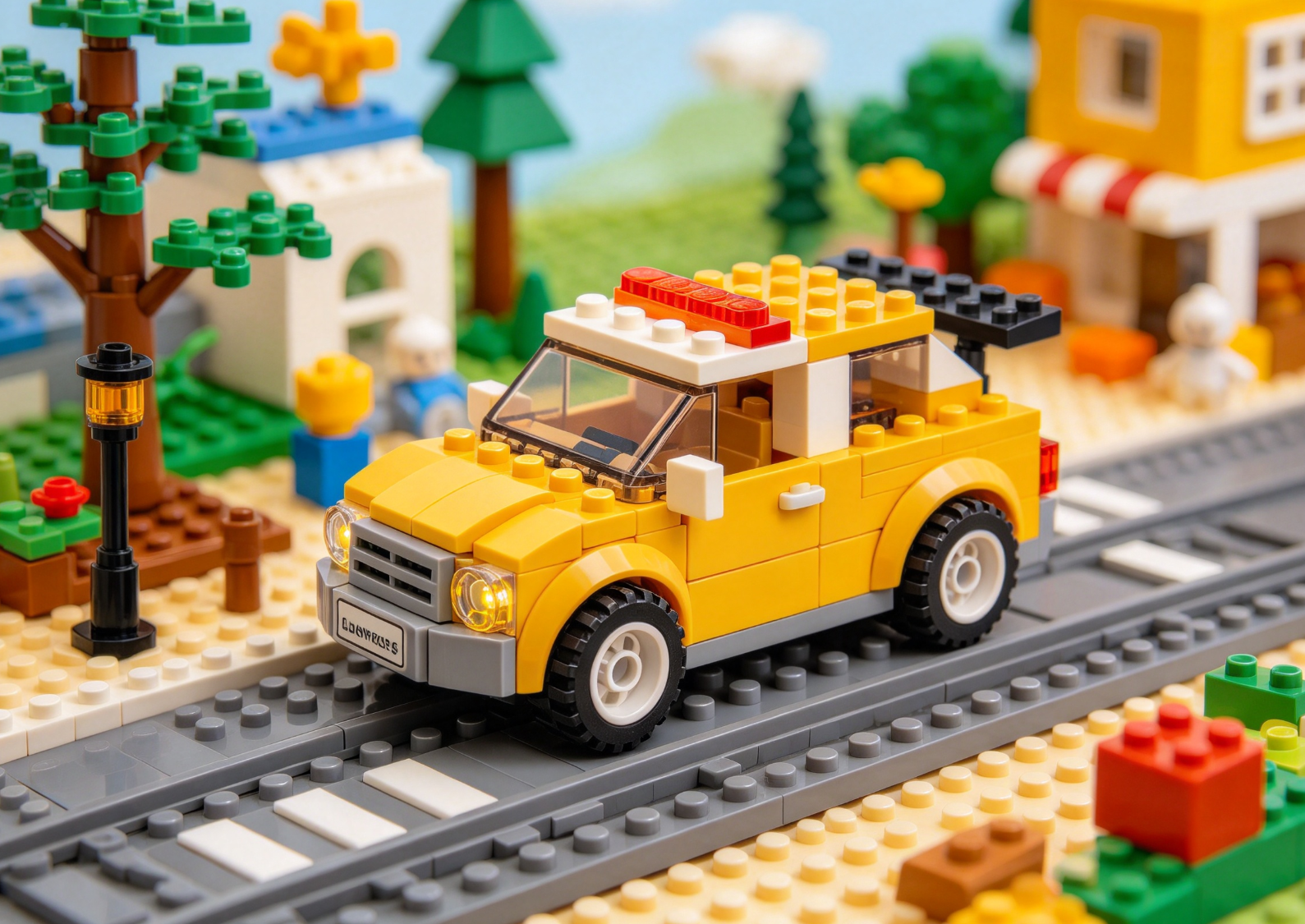
TL;DR: Choosing a LEGO alternative comes down to three things: ABS plastic quality, stud compatibility, and age-appropriate piece count. Toy bricks from brands like craftblockworld connect with major building block systems, cost less per piece, and come in sets for every skill level — from first-time 6-year-old builders to adults tackling 3,000+ piece models. This guide walks through how to pick, build, and store your collection.
Why Consider LEGO Alternatives?
Building bricks have quietly become one of the most popular hobbies for both kids and adults across Europe and North America. Parents want hands-on activities that pull children away from screens. Adults want a creative outlet that doubles as stress relief after a long workday. Collectors want detailed models they can display with pride.
The challenge? Official LEGO sets carry a premium price tag, and large collections add up fast. That's where a bricks toy alternative comes in. Brands specializing in LEGO-compatible construction toys offer the same building experience — interlocking studs, detailed instructions, compatible piece dimensions — at a fraction of the cost per piece.
This matters more for families. A household building a city skyline, a Star Wars display, or a weekend castle project needs volume. Buying thousands of pieces at official LEGO prices isn't realistic for most budgets. A quality alternative brand closes that gap without asking families to compromise on fit, durability, or safety.
This guide covers what separates a well-made set from a poorly made one, how to choose bricks by age and skill level, and how to get your first build started the right way. We'll also cover storage, advanced techniques, and why craftblockworld has become a go-to option for builders across the US and EU.
What Makes a Quality Bricks Toy?
Not all building bricks are created equal. Before adding anything to your cart, check for these four markers of quality.
Material and Molding Precision
High-quality toy bricks use ABS (acrylonitrile butadiene styrene) plastic. ABS holds its shape, resists cracking, and clutches together with consistent tension — meaning your builds won't fall apart halfway through assembly. Cheaper bricks made from recycled or low-grade plastic tend to feel loose or brittle within months.
Look for sets that specify ABS material directly in the product description. If a listing doesn't mention the plastic type at all, that's a warning sign.
Compatibility With Major Brands
A strong brique jouet alternative should connect seamlessly with LEGO and other major building block systems. Stud spacing needs to be exact — even a fraction of a millimeter off, and pieces won't click together properly. Check customer reviews specifically mentioning compatibility before buying a new brand for the first time.
Safety Certification
For any set intended for children, safety certification isn't optional. Look for compliance with EN 71 (the European toy safety standard) and ASTM or CPSIA (the US equivalents). These certifications confirm the plastic is free from harmful chemicals and that small parts meet choking-hazard guidelines for the listed age range.
Instruction Clarity
Even experienced builders rely on clear, step-by-step instructions. Quality sets include numbered steps, color-coded parts diagrams, and a full parts list so you can check for missing pieces before you start. If you want to see how sets are broken down, browse craftblockworld's full product catalog to compare instruction quality across different themes.
How to Choose the Right Toy Bricks for Your Child's Age and Skill Level
Picking the right set isn't just about the box art. Matching piece count and complexity to your child's current skill level prevents frustration and keeps the hobby fun.
Ages 5-7: Start with sets under 200 pieces featuring large, simple shapes. Vehicles, animals, and basic house builds work well here. Look for sets explicitly labeled for this age bracket, since smaller connector pieces can be a choking hazard for younger children.
Ages 8-11: This is the sweet spot for STEM-focused building. Kids in this range can handle 200-600 piece sets, including sets with simple mechanical elements like gears, wheels, and hinges. This age group also benefits most from sets that introduce basic engineering concepts — balance, structure, and load distribution — through play.
Ages 12-14: Pre-teens are ready for sets in the 600-1,500 piece range, including detailed vehicles, architecture, and Technic-style builds with functioning mechanisms. This is also when kids start showing preference for specific themes, so let their interests (cars, space, movie franchises) guide the purchase.
Teens and adults: Builders 15 and up are ready for display-grade sets ranging from 1,500 to over 5,000 pieces. These builds focus on detail accuracy, display value, and in some cases, functioning features like motorized parts. For adult collectors specifically, craftblockworld's guide to lego alternatives for adults breaks down which sets suit different experience levels and display goals.
A good rule of thumb: if a child finishes a set in under an hour without needing help, size up for the next purchase. If they abandon a set halfway through out of frustration, size down.
How to Get Started: Setting Up Your First Build
Before opening a single bag of parts, set up your workspace properly. A few minutes of preparation saves hours of frustration later.
- Clear a flat, well-lit surface. A table or desk works better than the floor, where pieces get lost in carpet fibers.
- Sort pieces by bag number first. Most sets separate parts into numbered bags corresponding to build stages. Open only the bag you need for the current step.
- Lay out the instruction booklet fully open. Flip through it once before starting so you understand the general shape and scale of the finished model.
- Keep a small container nearby for loose pieces. This prevents parts from rolling off the table or getting swept up accidentally.
- Check the parts list against your pieces. Confirm nothing is missing before you're 100 steps into the build and stuck.
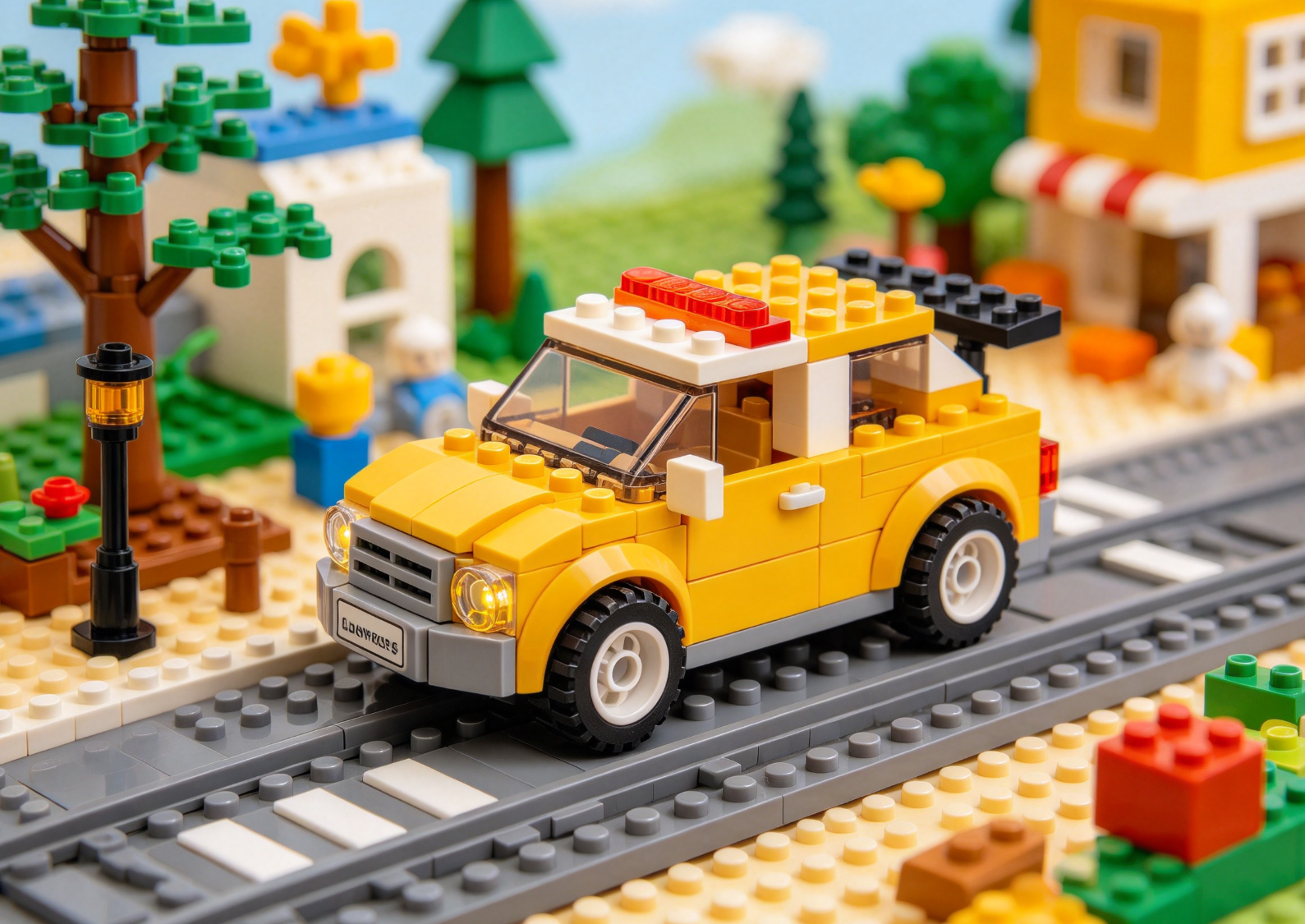
Step-by-Step Building Tips for Beginners
Once your workspace is set and your first bag is open, these habits will make the actual assembly smoother.
Sort before you build. Group bricks by color and size before starting any section. This single habit saves more time than any other on this list, especially on sets with hundreds of near-identical pieces.
Build in layers, bottom to top. Complete each layer fully before moving to the next. Skipping ahead to "interesting" parts of a model often leads to structural instability later, since many builds rely on earlier layers for support.
Use a brick separator tool. Never pry pieces apart with your teeth or fingernails. A dedicated separator tool removes bricks cleanly without damaging the studs or your model's structural integrity.
Read two to three steps ahead. Instructions often show a piece being placed that only makes sense once you see where the model is heading. Previewing upcoming steps helps you place parts more accurately the first time.
Double-check orientation before pressing pieces together. Many building errors come from placing a piece backward or upside down. It's far easier to catch this before snapping it into place than to disassemble five layers afterward.
Advanced Techniques: Taking Your Toy Bricks Builds to the Next Level
Once you've completed a handful of standard sets, these techniques separate casual builders from serious hobbyists.
SNOT (Studs Not On Top). This technique angles bricks sideways or inverted to create smoother surfaces, curves, and textures that standard stud-up building can't achieve. It's commonly used for vehicle curves, organic shapes, and detailed figures.
Greebling. Borrowed from model-making, greebling means adding small, non-structural detail pieces to a surface to make it look more mechanically complex — think spaceship hulls or sci-fi vehicle panels.
Custom MOCs (My Own Creation). Advanced builders eventually move beyond official instructions entirely, designing original models from scratch. This requires understanding part compatibility, structural load-bearing, and proportion — skills built up gradually through official sets first.
Motorization and lighting. Some advanced builders add motors, gears, or LED lighting kits to bring models to life — a popular upgrade for vehicle and architecture builds with moving parts.
Mixed-scale displays. Combining multiple sets into a single large display (such as a city street built from several separate sets) requires planning scale and color consistency across purchases.
If you're ready to explore more advanced builds, craftblockworld's blog publishes regular guides on large-scale models, custom car builds, and collector-grade sets worth exploring as your skills grow.
How to Store and Organize Your Bricks Toy Collection
A growing collection needs a storage system, or you'll spend more time hunting for pieces than building with them.
Use stackable, labeled bins. Clear plastic bins with labeled compartments (by color, piece type, or set) make finding specific parts fast. Drawer-style organizers work especially well for small, frequently-used pieces like plates and connectors.
Keep instruction booklets together. Store manuals in a binder or folder, organized by set name or number. Many instructions are also available as digital downloads, which is useful if a physical booklet gets lost.
Separate built models from loose parts. Once a set is complete, keep it assembled and displayed or stored separately from your loose-parts bins to avoid accidental disassembly.
Label by project if you're an active builder. If you have multiple builds in progress, use separate containers for each project's sorted pieces so nothing gets mixed up mid-build.
Rotate displayed builds seasonally. For collectors with limited shelf space, rotating which completed models are on display keeps the collection feeling fresh without requiring more storage room.
Why craftblockworld Is the Smart Choice for European and American Families
craftblockworld offers over 5,000 building block sets spanning city builds, architecture, movie franchises, military vehicles, and advanced Technic-style mechanisms. Every set uses ABS plastic and meets EN 71, ASTM, and CPSIA safety standards, so families in both the EU and US markets can buy with confidence.
Here's what sets craftblockworld apart for families and hobbyists:
- Full compatibility with LEGO and other major building block brands — pieces connect seamlessly, so you can mix sets from different collections.
- A catalog for every skill level, from 200-piece starter kits to 3,000+ piece display models for adult collectors.
- Custom design service for builders who want a one-of-a-kind set with original instructions and parts lists.
- Global shipping with tracking and insurance, plus free replacement parts if anything arrives missing or damaged.
- An active builder community sharing finished projects, from Japanese temples in Tokyo to GT race cars in Berlin.
Start Your Next Build
Choosing the right toy bricks set comes down to matching material quality, compatibility, and complexity to the builder's skill level — whether that's a first-time 6-year-old or a seasoned adult collector chasing a 3,000-piece display model. Set up your workspace properly, sort before you build, and invest in a storage system early so your collection stays organized as it grows.
Once you've got the basics down, the only real limit is how far you want to take it — from your first simple vehicle build to a custom-designed MOC display worthy of its own shelf.
Frequently Asked Questions
Are LEGO alternative bricks actually compatible with real LEGO sets?\ Yes, when made to precise manufacturing standards. Quality brands match stud spacing and piece dimensions exactly, allowing their pieces to connect seamlessly with official LEGO bricks. Always check for compatibility claims and reviews before mixing brands in a single build.
What age is appropriate for starting with building bricks?\ Most brands offer sets starting at age 5-6 with larger, simpler pieces to avoid choking hazards. Children under 5 should stick to oversized building blocks designed specifically for toddlers, not standard-scale building bricks.
How much more affordable are LEGO alternatives compared to official sets?\ Pricing varies by brand and set, but alternative brands typically offer a lower cost per piece than official LEGO sets, especially on large-volume builds. This makes them a practical option for families building bigger collections over time.
What should I do if a set arrives with missing or broken pieces?\ Reputable brands offer free replacement parts for missing or damaged pieces. Contact the retailer's support team with your order number, and replacements should ship without additional cost.
Do I need special tools to build with toy bricks?\ A brick separator tool is the only essential extra. It safely pries pieces apart without damaging studs or risking injury, unlike using fingernails or teeth to separate stuck pieces.