Building a Legacy: The Enduring Appeal of a Brick Greenhouse
Discover the unparalleled durability, thermal efficiency, and timeless beauty of a brick greenhouse. Learn design, construction, and maintenance tips for your garden.
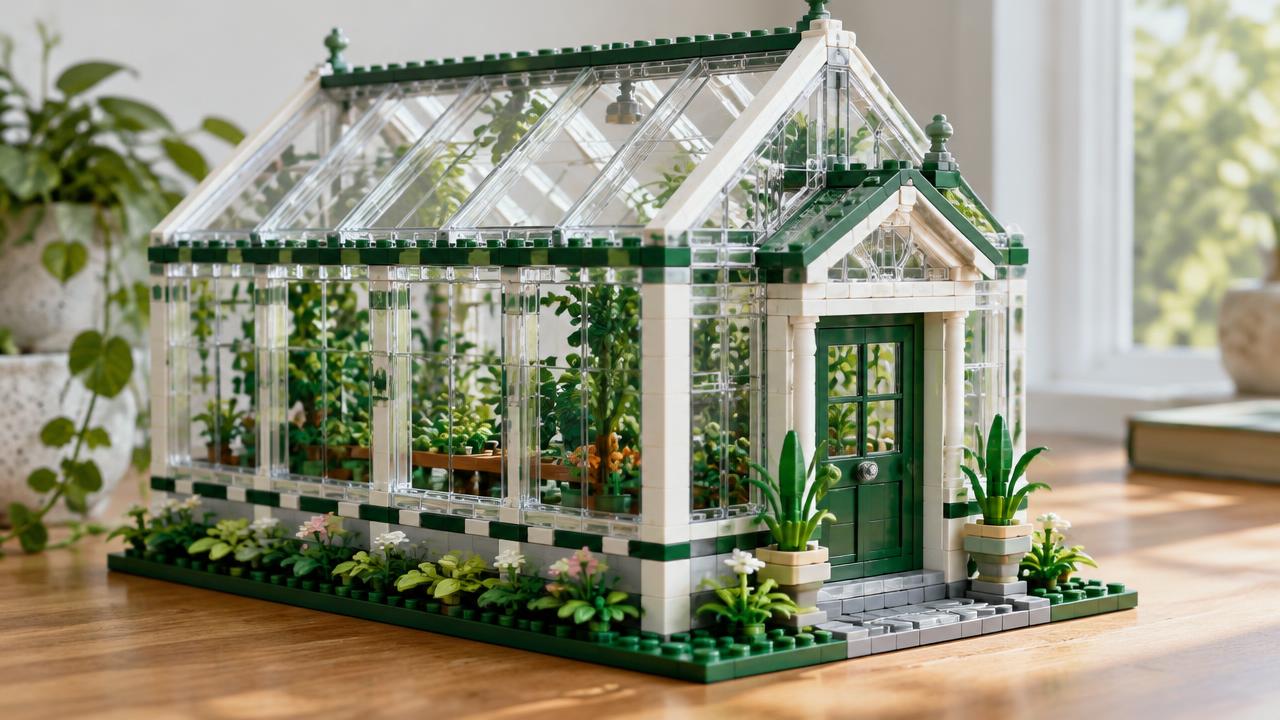
For discerning gardeners and horticultural enthusiasts, the choice of a greenhouse goes beyond mere functionality. It's an investment in a lifestyle, a statement of enduring quality, and a commitment to nurturing plants in an optimal environment. Among the myriad options available, the brick greenhouse stands out as a paragon of durability, aesthetic appeal, and thermal efficiency. Unlike their lighter counterparts, brick greenhouses offer a solidity and permanence that transforms a simple growing space into a garden architectural feature, promising decades of fruitful cultivation and enjoyment. At craftblockworld, we understand the unique value this timeless structure brings to any property, combining classic craftsmanship with modern horticultural needs.
The allure of a brick greenhouse isn't just about its robust construction; it's about creating a microclimate that is easier to manage, more stable, and aesthetically integrated into your landscape. From protecting delicate seedlings to overwintering tender plants or cultivating exotic species, a well-designed brick greenhouse provides an unparalleled sanctuary. This article delves into why a brick structure might be the ultimate choice for your gardening aspirations, exploring its benefits, construction considerations, and long-term value.
Why Choose a Brick Greenhouse? The Unrivalled Advantages
When considering a significant garden addition like a greenhouse, the material choice is paramount. Brick, as a building material, offers a suite of advantages that collectively make a brick greenhouse a superior option for many homeowners and serious gardeners across the US and Europe. Its inherent properties contribute to both its performance and its visual appeal, setting it apart from wood, aluminum, or polycarbonate alternatives.
Aesthetical Appeal That Endures
Few materials can rival the timeless elegance and classic charm of brick. A brick greenhouse doesn't just serve a purpose; it enhances the entire garden landscape. Its traditional aesthetic can complement various architectural styles, from rustic cottages to contemporary homes, adding a touch of sophisticated permanence. The earthy tones and varied textures of brick create a natural warmth that blends seamlessly with the surrounding flora. This isn't merely a functional shed; it's a statement piece, often becoming the focal point of a well-curated garden.
Unmatched Durability and Longevity
One of the most compelling reasons to choose a brick structure is its incredible durability. Brick is impervious to rot, pests, and severe weather conditions, offering exceptional resilience against wind, snow, and rain. Unlike wooden greenhouses that require frequent treatment or aluminum structures that can be susceptible to dents and warping, a brick greenhouse stands firm, year after year, with minimal degradation. This robust construction ensures that your investment will last for generations, potentially becoming a cherished heirloom in your garden. This longevity translates directly into a higher return on investment over time, reducing the need for costly replacements or major repairs.
Superior Thermal Regulation
Brick possesses excellent thermal mass properties. This means it absorbs and stores heat during the day and slowly releases it during the night. This natural insulation creates a far more stable internal temperature compared to greenhouses made with lighter materials. Fluctuations are minimized, protecting plants from sudden drops in temperature during colder months and preventing overheating during intense summer days. This passive thermal regulation can significantly reduce heating costs in winter and cooling requirements in summer, making a brick greenhouse a remarkably energy-efficient choice. For delicate plants that require consistent conditions, this feature is invaluable.
Low Maintenance Requirements
Once built, a brick greenhouse requires surprisingly little maintenance. Unlike wood, it doesn't need painting, staining, or regular rot treatment. Unlike some metal structures, it won't rust. Periodic cleaning of the glazing and ensuring the brickwork remains free from excessive moss or grime is usually all that's needed. This translates to more time spent gardening and less time on upkeep, allowing you to fully enjoy your horticultural haven without constant worries about its structural integrity or appearance.
Key Considerations for Your Brick Greenhouse Project
Embarking on the construction of a brick greenhouse is a substantial undertaking that requires careful planning and consideration. From design aesthetics to functional requirements, each decision contributes to the success and longevity of your structure. It's important to approach this project with a clear vision and an understanding of the necessary components.
Design and Planning: Crafting Your Vision
The initial design phase is critical. Consider the size and orientation of your greenhouse. For optimal sunlight exposure, a north-south orientation is often recommended in the Northern Hemisphere, allowing for even light distribution throughout the day. Think about the style: do you want a traditional lean-to against an existing wall, a freestanding structure, or perhaps something more ornate with decorative brickwork? The architectural style should ideally complement your home and garden. Factors like roof pitch, door and window placement, and the ratio of brick to glazing will all influence both functionality and aesthetics. Companies like craftblockworld offer bespoke design consultations to help bring your ideal greenhouse to life.
Foundation Essentials: The Bedrock of Stability
Given the significant weight of brick, a robust foundation is non-negotiable. A poured concrete slab foundation, reinforced with rebar, is typically required. This foundation must be perfectly level and extend below the frost line to prevent shifting or cracking due to ground movement. Proper drainage around the foundation is also vital to prevent water accumulation, which could undermine the structure over time. A damp-proof course (DPC) should be incorporated into the brickwork at ground level to prevent rising damp, protecting the internal environment and the bricks themselves.
Material Selection: Beyond Just Brick
While brick forms the core of your greenhouse, other materials play equally important roles.
- Brick Type: Choose bricks that are weather-resistant and suitable for outdoor use. Local availability and color preferences will guide your choice. Reclaimed bricks can add historical charm, but ensure they are structurally sound.
- Glazing: High-quality glazing is crucial. Toughened safety glass is recommended for its strength and safety. Consider double glazing for enhanced thermal insulation, especially in colder climates. For specific applications, low-emissivity (Low-E) glass can further improve thermal performance.
- Mortar: Use a durable, weather-resistant mortar mix that matches the longevity of the bricks.
- Roofing: While glass is traditional, some designs incorporate other materials like polycarbonate for the roof, particularly if a curved or complex roofline is desired.
Ventilation and Climate Control: The Breathing Heart of Your Greenhouse
Effective ventilation is paramount for plant health and temperature regulation. Without it, humidity can build up, encouraging diseases, and temperatures can soar.
- Vents: Integrate numerous roof vents (louvre vents) and side vents into your design. Automatic vent openers, which use wax-filled cylinders that expand with heat, are highly recommended for passive ventilation without manual intervention.
- Fans: For larger greenhouses or those in hotter climates, extractor fans can provide forced air circulation, especially when passive ventilation is insufficient.
- Shading: External shading systems, such as shade cloths or blinds, are essential to prevent scorching during peak summer sun and help manage internal temperatures.
Heating Options: Extending Your Growing Season
Even with excellent thermal mass, a brick greenhouse may require supplemental heating, especially during winter in temperate zones.
- Electric Heaters: Thermostatically controlled electric fan heaters are common, offering precise temperature regulation.
- Propane/Natural Gas Heaters: Larger, more powerful options for bigger spaces, but require proper ventilation for safety.
- Under-bench Heating: Heating cables or mats can provide localized warmth for seedlings and propagation.
- Passive Heating: Incorporate thermal mass elements like dark-colored water barrels or stone walls within the greenhouse to absorb and re-radiate heat.
The Construction Process: From Blueprint to Blossom
Building a brick greenhouse is a significant construction project, typically requiring skilled labor for the brickwork and glazing. While it’s possible for experienced DIY enthusiasts, many opt for professional builders to ensure structural integrity and a high-quality finish. Understanding the stages involved will help you manage expectations and ensure a smooth process.
Site Preparation: Laying the Groundwork
The first step involves clearing and leveling the chosen site. This includes removing any obstacles, vegetation, or debris. Proper ground preparation is essential for the foundation. Mark out the footprint of the greenhouse accurately, ensuring it aligns with your design and takes into account sunlight patterns and accessibility.
Laying the Foundation: Ensuring Stability
As discussed, a robust foundation is paramount. Excavation for the footings will be carried out, followed by the pouring of concrete. This stage is critical for the long-term stability of the greenhouse, so precision in leveling and curing is vital. Once the concrete is fully cured, the damp-proof course (DPC) is laid, forming an impermeable barrier against moisture rising from the ground.
Brickwork and Structure: The Backbone of Your Greenhouse
This is where the traditional craftsmanship comes into play. Skilled bricklayers will construct the base walls, meticulously laying each brick to create a strong, level, and aesthetically pleasing structure. The height of the brickwork can vary, from low dwarf walls that maximize glazing to higher walls providing more solid protection. Lintels will be installed above openings for doors and windows, and integrated sills will be formed to support the glazing.
Glazing Installation: Bringing in the Light
Once the brickwork is complete and cured, the glazing system is installed. This involves fitting the glass panels into custom-made frames that sit atop the brick walls. Depending on the design, these frames might be aluminum, timber, or steel. Each panel must be securely sealed to prevent drafts and water ingress, ensuring the greenhouse remains a controlled environment. The roof glazing is a particularly intricate part of the installation, often requiring specialized equipment and expertise.
Interior Fit-Out: Equipping Your Growing Space
With the structure complete, the final stage involves fitting out the interior. This includes installing staging and shelving for plants, a water source with a tap and hose, and electrical outlets for heating, lighting, or automated irrigation systems. Consider the layout of your benches and pathways to optimize space and ease of access. Good flooring, such as concrete or gravel, will ensure proper drainage and a clean working environment. Remember to account for the specific needs of your plants, whether it's specialized grow lights or humidity control systems.
Integrating a Brick Greenhouse into Your Garden Landscape
A brick greenhouse is more than just a functional building; it's a significant architectural feature that can profoundly influence the character and value of your garden. Thoughtful integration ensures it looks like an intentional part of your landscape, rather than an afterthought.
Strategic Placement and Orientation
Beyond sunlight considerations, think about how the greenhouse relates to other elements of your garden. Is it easily accessible from your home? Does it provide a pleasant view from a patio or window? Consider prevailing winds and potential shade from large trees. A well-placed brick greenhouse can act as a natural windbreak for a sheltered seating area or provide a beautiful backdrop to a flowerbed. For a seamless look, consider how the brickwork can tie into existing walls or pathways.
Complementary Landscaping: Blending In
Surrounding your brick greenhouse with appropriate landscaping can greatly enhance its appeal. Planting climbing roses or clematis to grow up the brick walls can soften its lines and add a romantic touch. Herbaceous borders around the base can integrate it into the garden's overall planting scheme. Pathways leading to the greenhouse, made from complementary materials like paving stones or gravel, will create a sense of approach and welcome. The goal is to make the greenhouse feel like an integral, organic part of your garden, not an isolated structure.
Enhancing Garden Value and Appeal
A well-built and aesthetically pleasing brick greenhouse significantly adds to the value and desirability of a property. It represents a substantial investment in quality and functionality, appealing to potential buyers who appreciate both gardening and robust outdoor living spaces. It elevates the entire garden, signaling a commitment to horticultural excellence and creating a unique, year-round living space that few other garden features can match. Whether you're looking for a bespoke brick greenhouse kit or custom design, craftblockworld offers solutions tailored to your unique needs.
Maintenance and Longevity: Keeping Your Investment Pristine
While a brick greenhouse is renowned for its low maintenance, a little care goes a long way in ensuring its longevity and continued performance. Regular, simple checks and actions can prevent minor issues from becoming major problems.
- Brickwork: Periodically inspect the mortar joints for any signs of cracking or crumbling. Repointing (replacing old mortar) should be done as needed to maintain structural integrity. Clean the brickwork with a soft brush and water to remove dirt, algae, or moss, avoiding harsh chemicals that could damage the mortar.
- Glazing: Keep the glass clean, both inside and out, to maximize light transmission. Check seals around the glass for any signs of perishing or gaps, and replace them to prevent drafts and water leaks. Inspect for cracked or broken panes and replace them promptly to maintain thermal efficiency and safety.
- Gutters and Downpipes: Ensure gutters are free of leaves and debris to allow for efficient rainwater runoff. Blocked gutters can lead to water pooling, which can damage brickwork or foundations.
- Vents and Doors: Lubricate hinges and mechanisms on vents and doors annually to ensure smooth operation. Check that automatic vent openers are functioning correctly.
- Internal Structure: Inspect internal staging and shelving for stability and cleanliness. Clean up any plant debris regularly to prevent pests and diseases.
By adhering to these simple maintenance practices, your brick greenhouse will remain a beautiful and functional asset for many, many years, faithfully supporting your gardening endeavors.
Cost vs. Value: A Long-Term Perspective
The initial investment for a brick greenhouse is typically higher than for prefabricated aluminum and polycarbonate models. This is due to the cost of materials, the need for a robust foundation, and the specialized labor required for bricklaying and custom glazing. However, it's crucial to view this cost through a long-term lens, considering the exceptional value it provides.
- Durability: The extended lifespan of a brick greenhouse means you won't need to replace it after a decade or two, unlike many cheaper alternatives. This eliminates future replacement costs and the associated disruption.
- Energy Efficiency: The superior thermal mass of brick reduces heating and cooling costs over the greenhouse's lifetime, leading to significant savings on energy bills, especially in colder climates.
- Increased Property Value: A beautifully constructed brick greenhouse is a substantial, permanent enhancement to your property, increasing its aesthetic appeal and market value.
- Gardening Success: The stable environment provided by brick fosters better plant growth, potentially leading to higher yields and healthier plants, which is invaluable for serious gardeners.
- Aesthetic Enjoyment: The enduring beauty and solid presence of a brick greenhouse contribute significantly to the overall enjoyment of your garden space, offering a peaceful sanctuary for relaxation and horticultural passion.
In essence, while the upfront cost is higher, the total cost of ownership over many decades, combined with the unparalleled benefits and aesthetic contribution, makes a brick greenhouse a truly worthwhile and intelligent investment for the dedicated gardener.
Conclusion
A brick greenhouse represents the pinnacle of garden structures, blending functionality with timeless beauty and exceptional durability. It offers a stable, energy-efficient environment for your plants, standing as a testament to quality craftsmanship and thoughtful design. From its aesthetic appeal that enhances any garden landscape to its unmatched longevity and low maintenance requirements, the advantages are clear.
While the initial investment may be more substantial than lighter alternatives, the long-term value, reduced operational costs, and the sheer joy of cultivating in such a magnificent structure far outweigh the expenditure. For those who seek to create a lasting legacy in their garden, a brick greenhouse is not merely a purchase but an enduring commitment to horticultural excellence and architectural integrity. Explore the possibilities with craftblockworld and discover how a custom-designed brick greenhouse can transform your gardening aspirations into a living reality.
Frequently Asked Questions (FAQ)
What are the primary benefits of a brick greenhouse over other materials?
A brick greenhouse offers superior durability, exceptional thermal insulation due to brick's mass, timeless aesthetic appeal, and very low maintenance requirements. Its robust construction ensures longevity and stability in all weather conditions, providing an optimal growing environment for your plants.
How long does a brick greenhouse typically last?
With proper construction and minimal maintenance, a well-built brick greenhouse can last for many decades, often exceeding 50-100 years. The inherent strength and weather resistance of brick contribute significantly to its impressive longevity, making it a lasting investment for your garden.
Is a brick greenhouse more expensive to build than a traditional glass or polycarbonate greenhouse?
Initially, building a brick greenhouse may involve a higher upfront cost compared to lighter, prefabricated models. However, this investment is offset by its extreme durability, superior energy efficiency (reducing heating costs), and minimal long-term maintenance, ultimately providing greater value and return over its lifespan.
What kind of foundation is required for a brick greenhouse?
A sturdy and level concrete foundation is essential for a brick greenhouse. This foundation must be deep enough to prevent frost heave and provide a stable base for the heavy brick walls. Proper drainage and potentially a damp-proof course are also critical to ensure the longevity and structural integrity of the greenhouse.
Can I integrate a brick greenhouse into my existing garden design?
Absolutely. A brick greenhouse can be seamlessly integrated into various garden styles, from traditional to contemporary. Its classic aesthetic can serve as a focal point or blend harmoniously with existing brickwork in your home or garden features. Careful planning of its placement and surrounding landscaping will ensure it enhances the overall beauty and functionality of your outdoor space.